Baby Bed Guide: Choosing the Right Sleep Setup
From bassinets to convertible cribs, discover how to choose a safe, comfortable, and long-lasting baby bed for your nursery. Compare types, materials, and safety features in one complete guide.
EXPLORE BABY BED TYPESWhy this guide matters: Your baby will spend more time sleeping in the first year than at any other stage of life. Choosing the right baby bed is one of the most important nursery decisions you will make. This guide walks you through bed types, safety standards, mattress matching, and long-term value so you can choose with confidence.
Understanding Baby Bed Categories
The term baby bed covers a wide range of sleep products, from compact bassinets for newborns to full-size convertible cribs that grow with your child. Understanding the differences helps you match the bed to your baby's age, your nursery layout, and your long-term plans. Each category below serves a distinct purpose, and many families use more than one type across the first few years.
Bassinets: The Newborn Starter Bed
Bassinets are compact, portable sleep spaces designed for babies from birth to roughly three to six months. They keep your newborn close for night feeds and allow room-sharing without bed-sharing, a practice recommended by pediatric organizations. Many models feature a adjustable-height bassinet frame so the sleep surface sits beside your bed. Bassinets are lighter and easier to move than full cribs, making them a practical starter tier choice for the first months.
Standard Cribs: The Classic Full-Size Option
A full-size baby crib is the foundation of most nurseries. Standard cribs offer a fixed sleep surface with adjustable mattress heights, so you can lower the base as your baby learns to sit and stand. They are built to last through the toddler years and pair well with a firm crib mattress. If you want a single bed that covers the longest stretch of early childhood, a standard crib is the balanced tier choice for most families.
Convertible Cribs: Long-Term Nursery Investment
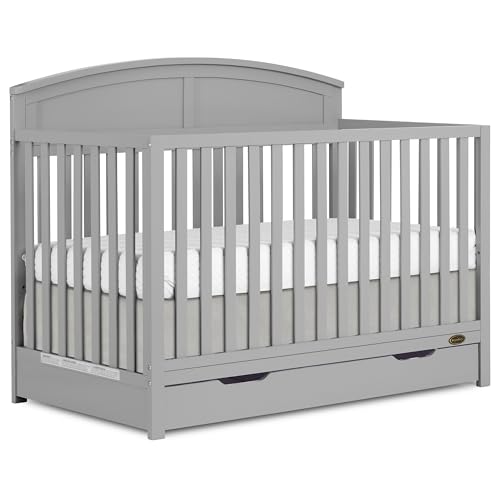
Convertible cribs are the most versatile option in the baby bed category. They start as cribs and transform into toddler beds, daybeds, and sometimes full-size beds as your child grows. Models such as the 3-in-1 convertible crib with changing table and the 4-in-1 convertible crib and dresser set combine sleep and storage in one footprint. If you plan to keep the same furniture for years, a convertible model is a high-end tier investment that spreads its usefulness across multiple stages.
Portable and Travel Beds
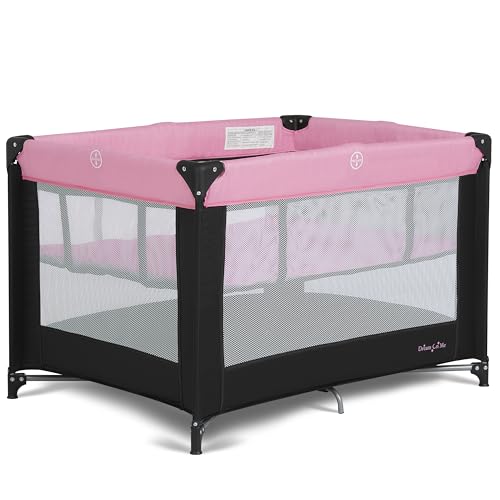
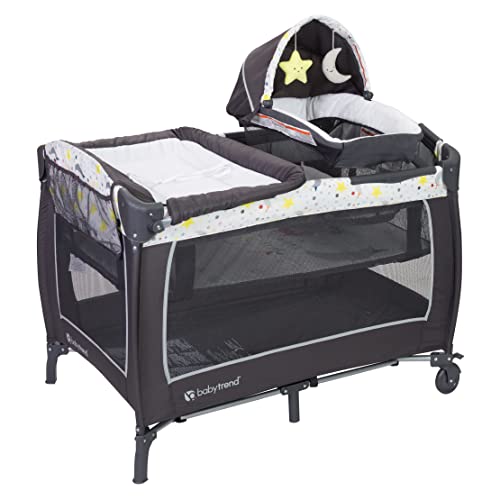
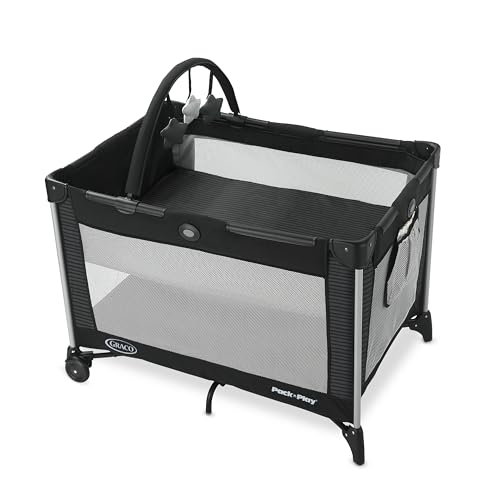
Travel beds, sometimes called portable cribs or baby boxes, fold down for trips and grandparents' houses. They are not a substitute for a firm, full-time sleep surface at home, but they add flexibility for families who travel often. A baby box style bed can also serve as a compact secondary sleep space in small homes.
Baby Bed Type Comparison
Use this comparison to see how each bed type fits different needs. The tier column reflects relative market positioning, not a numeric figure, so the guidance stays useful as the market changes.
| Bed Type | Best For | Typical Lifespan | Tier | Key Consideration |
|---|---|---|---|---|
| Bassinet | Newborns 0–6 months | 3–6 months | Entry-Level | Check weight limit and mattress firmness |
| Standard Crib | Infants through toddlers | 2–3 years | Mid-Range | Fixed sides and tight slat spacing |
| Convertible Crib | Long-term nursery use | 5+ years | Premium | Conversion kit availability |
| Travel Bed | Families on the go | 1–2 years | Entry-Level | Foldability and carry weight |
| Convertible Crib + Storage | Complete nursery setups | 5+ years | Luxury | Footprint and assembly complexity |
Baby Bed Safety Standards You Must Know
Safety is the non-negotiable part of choosing a baby bed. Current regulations require fixed sides, secure hardware, and strict slat spacing. Before buying any bed, confirm that it meets the latest safety standard and has not been recalled. The checklist below covers the essentials every parent should verify.
Baby Bed Safety Checklist
- Fixed sides only: Drop-side cribs are no longer considered safe and should be avoided.
- Slat spacing: Slats should be no more than 2 3/8 inches apart so a baby's head cannot slip through.
- Snug mattress fit: The mattress should leave no gap larger than two fingers between the mattress and the crib frame.
- No corner posts: Corner posts should not extend more than 1/16 inch above the end panels to prevent clothing snags.
- Sturdy hardware: All screws, bolts, and brackets should be tight and free of damage.
- Current certification: Look for a label confirming compliance with the latest crib safety standard.
- Recall check: Verify the model against current recall lists before purchase and after assembly.
Choosing the Right Mattress for Your Baby Bed
The mattress is just as important as the bed frame. A firm, flat surface supports healthy sleep and reduces safety risks. When matching a mattress to your bed, confirm the dimensions and check for a tight fit on all four sides.
- Firmness: Infants need a firm surface. Dual-firmness mattresses offer a firmer infant side and a softer toddler side.
- Waterproof cover: A waterproof, wipe-clean cover simplifies night-time changes and protects the core.
- Breathability: Breathable materials and airflow channels help regulate temperature.
- Weight capacity: Check the recommended weight range if the mattress will serve through the toddler stage.
- Certification: Confirm the mattress meets current safety and emissions standards.
For a deeper look at mattress options and fit guidance, see our crib mattress guide. If you are building a full nursery, pair the bed with a baby dresser and a changing table to create a functional room layout.
Nursery Layout and Baby Bed Placement
Where you place the baby bed affects safety, airflow, and daily routine. Keep the bed away from windows, blinds, cords, and heating sources. Leave enough space around the bed for you to reach your baby comfortably during the night. If the room is small, a baby furniture set with compact dimensions can help you fit a bed, storage, and a changing area without crowding.
A wall-adjacent placement is common, but avoid pushing the bed directly against a radiator or a drafty exterior wall. For design inspiration that keeps the sleep area calm and uncluttered, browse our nursery layout ideas. If you are still assembling the room, a baby essentials checklist can help you prioritize the items that matter most.
Materials and Build Quality
Baby bed frames are typically made from solid wood, engineered wood, or metal. Solid wood offers durability and a classic look, while engineered wood can be more consistent in finish and often lighter. Metal frames are sturdy and compact but may show scratches over time. Whichever material you choose, look for smooth finishes, rounded edges, and hardware that stays tight after assembly.
For families planning a full nursery refresh, a coordinated nursery furniture set can simplify the shopping process and keep the design consistent. If you are comparing storage-heavy options, a 4-in-1 convertible crib and dresser set combines the bed and dresser in a single footprint, which is helpful in smaller rooms.
Transitioning Your Baby Through Sleep Stages
A baby bed is not a single purchase for the whole of childhood; it is a sequence. Most families move through three phases: bassinet, crib, and toddler bed. Understanding the signals for each transition helps you plan ahead and avoid rushed decisions.
- Bassinet to crib: Transition when your baby begins to roll over, sit up, or reaches the bassinet's weight limit.
- Crib to toddler bed: Transition when your child starts climbing out of the crib or when the crib mattress is at its lowest setting and still not secure.
- Toddler bed to full bed: Transition when your child outgrows the toddler configuration or when you are ready to convert a convertible crib into a full-size bed.
If you are preparing for a first birthday or a room refresh, our first birthday gift ideas for a daughter include sleep-related picks that pair well with a toddler bed transition.
Planning for Long-Term Value
Rather than focusing on a single figure, think about how long the bed will serve your family. An entry-level bassinet covers a short window, while a premium convertible crib can last through the toddler and preschool years. A mid-range standard crib is a solid choice if you plan to pass it down or resell it. The most efficient approach is to match the bed's lifespan to your family's plans, not to chase the lowest sticker at the moment of purchase.
If you are managing a full nursery setup, our baby budget planning guide and baby cost calculator can help you allocate resources across furniture, bedding, and safety gear. For a broader look at the gear that surrounds the bed, see our baby gear hub.
Frequently Asked Questions About Baby Beds
What is the safest type of baby bed for a newborn?
When should I transition my baby from a bassinet to a crib?
What is a convertible crib?
How do I choose a crib mattress?
What safety features should I look for in a baby bed?
Can I use a crib mattress in a bassinet?
Final Thoughts on Choosing a Baby Bed
The right baby bed balances safety, comfort, and long-term usefulness. Start with a firm, flat sleep surface that meets current standards, then choose a bed type that matches your room and your plans. A bassinet covers the newborn phase, a standard crib carries you through infancy, and a convertible crib extends the same footprint into the toddler years. Whichever path you choose, prioritize safety certifications, a snug mattress fit, and a calm, uncluttered sleep area.
Ready to Explore Baby Bed Options?
Compare recommended baby beds and sleep accessories from our curated selection below. Every product is chosen with safety and long-term use in mind.
VIEW RECOMMENDED BABY BEDS