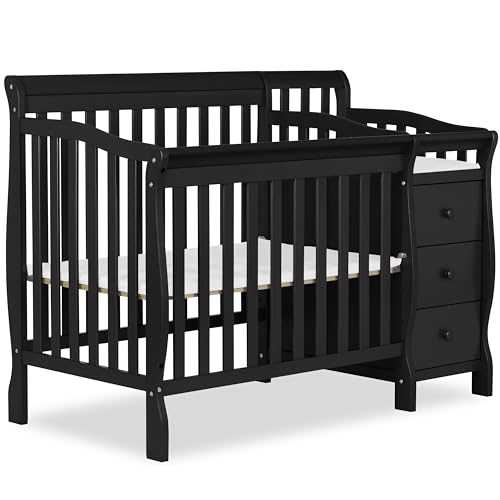
3 in 1 Convertible Crib with Changing Table: The Complete Guide
Everything you need to know about choosing, setting up, and using a 3 in 1 convertible crib with changing table — the smart nursery investment that grows with your child.
Why a 3 in 1 convertible crib with changing table deserves your attention: Setting up a nursery involves dozens of decisions, and furniture is one of the biggest. A 3 in 1 convertible crib with changing table solves three nursery needs in a single, space-efficient footprint — a safe sleep space, a convenient changing station, and a toddler bed for the years ahead. For parents researching this category, the goal is simple: understand exactly what you get, how it works, and whether it fits your nursery. This guide walks you through every stage of the decision so you can move forward with confidence.
What Is a 3 in 1 Convertible Crib with Changing Table?
A 3 in 1 convertible crib with changing table is a multi-stage nursery furniture piece designed to serve your child from infancy through the toddler years. The "3 in 1" designation refers to its three primary configurations:
- Crib mode: A standard full-size crib with adjustable mattress height positions for newborns and infants.
- Changing station mode: An attached changing table surface — often a removable topper — that provides a dedicated diapering area at a comfortable height for parents.
- Toddler bed (or daybed) mode: Once your child outgrows the crib, the front rail is removed or replaced to create a low-profile toddler bed.
The changing table component is typically a separate top piece that mounts securely to the crib frame. Many models allow you to detach the changer once diapering days are over, leaving a clean crib or toddler bed. This dual-purpose design is especially valuable in smaller nurseries where floor space is limited, and it reduces the number of separate furniture pieces you need to purchase and assemble.
If you are still mapping out your full nursery furniture plan, our guide to the baby furniture essentials can help you see how a convertible crib fits alongside dressers, gliders, and storage. For a broader look at crib options, the baby crib buying guide covers mattress sizes, rail heights, and safety standards.
Key Features to Evaluate Before You Choose
Not all 3 in 1 convertible cribs with changing tables are built the same. The features below are the ones that most directly affect safety, longevity, and day-to-day usability.
Adjustable Mattress Height
Look for at least three height positions. Newborns need the highest setting for easy access; as your baby learns to sit and stand, you lower the mattress for safety.
Secure Changing Table Attachment
The changer should lock firmly onto the crib frame with no wobble. A safety strap and raised edges are baseline requirements for any changing surface.
Conversion Kit Included
Some models include the toddler rail or daybed rail in the box; others sell it separately. Confirm what is included before you commit.
Solid Wood vs. Engineered Wood
Solid hardwood construction is heavier and more durable over multiple children. Engineered wood with quality finishes can also perform well when assembled correctly.
Non-Toxic Finish
Low-VOC and water-based finishes are preferable for nursery environments. Check for Greenguard Gold or similar indoor air quality certifications.
Under-Crib Storage
Some models include a drawer or under-crib space for bedding and clothing. This is a practical bonus in compact nurseries.
For parents comparing multi-stage cribs, it helps to see how the 3 in 1 format stacks up against larger configurations. Our breakdown of the 4 in 1 convertible crib with changing table and the 5 in 1 convertible crib with changing table explains the extra conversion stages those models add. If you want to maximize longevity from the start, the 6 in 1 convertible crib with changing table guide covers the most versatile tier. You can also compare how a dedicated 4 in 1 convertible crib and dresser set differs from a crib-with-changer layout.
Comparing Tiers: Entry-Level, Mid-Range, and Premium
Convertible cribs with changing tables are available across a wide range of market positions. To make the comparison useful without focusing on numbers, here is how the three main tiers typically differ in build quality and features.
| Tier | Best For | Typical Construction | What to Expect |
|---|---|---|---|
| Entry-Level Tier | First-time parents on a compact nursery plan | Engineered wood with laminate finish | Essential 3-in-1 conversions, basic changer attachment, standard mattress positions. A solid choice for the tier when assembled carefully. |
| Mid-Range Tier | Families planning to use the crib for multiple children | Solid wood frame with engineered wood panels | Smother conversion mechanisms, more mattress height positions, better hardware, and often a more refined finish. Feature-rich for its class. |
| Premium Tier | Long-term nursery investments and design-focused rooms | Solid hardwood throughout, premium hardware | Heavy-duty construction, refined joinery, additional storage, and premium non-toxic finishes. A long-term investment that holds up through multiple children. |
Mid-range models usually offer noticeably smoother conversion mechanisms than entry-level ones, while premium tiers focus on materials and long-term durability. For a broader crib comparison that includes bassinets and standard cribs, see the cribs and bassinets category.
Safety Considerations for Crib and Changing Table Use
Safety is the non-negotiable part of any nursery purchase. A 3 in 1 convertible crib with changing table combines two functions, so both need to meet current safety standards.
Critical Safety Checklist
- Confirm the crib meets current safety standards (JPMA certification or equivalent for your region).
- Always lower the crib mattress to the lowest position before using the attached changing table.
- Never leave your baby unattended on the changing surface — not even for a moment.
- Check that the changing table topper is locked securely into the crib frame every time you use it.
- Use a firm, snug-fitting crib mattress with no gaps larger than two fingers between mattress and frame.
- Keep the crib free of pillows, bumpers, and loose bedding for infants under one year.
- Register the product with the manufacturer so you receive recall notifications.
The changing table attachment should always be treated as a secondary surface, not a sleep surface. When your baby is on the changer, keep one hand on them at all times. If you are setting up a dedicated diapering station separately, our baby changing table guide covers standalone options and organization tips.
For sleep-specific guidance, our crib mattress guide explains how to choose a firm, correctly sized mattress — one of the most important safety factors in any crib setup.
How to Set Up Your 3 in 1 Convertible Crib with Changing Table
Setup is straightforward when you follow a logical sequence. Most families complete assembly in one to two hours with basic household tools.
- Unbox and inventory: Lay out all parts and hardware against the instruction manual. Missing pieces are easier to spot before assembly starts.
- Assemble the crib frame first: Build the crib completely and tighten all fasteners before attaching the changing table topper.
- Set the mattress height: Start with the highest position for a newborn, then lower it as your baby becomes mobile.
- Attach the changing table: Lock the topper into place and verify there is no movement. Add the safety strap and any included pad.
- Position the crib safely: Place it away from windows, blinds, cords, and wall decorations. Leave enough clearance to move around the crib.
- Anchor if recommended: Some manufacturers provide wall-anchoring hardware. Use it if your model includes it.
If you are planning the full room layout at the same time, the nursery layout guide covers traffic flow, crib placement, and how to arrange a changing area within a compact space.
Conversion Timeline: From Newborn to Toddler Bed
Understanding when to switch modes helps you get the most from the furniture. While every child develops at their own pace, here is the typical progression.
- 0–4 months: Crib mode with the mattress at the highest position. The changing table topper is in constant use during this stage.
- 4–9 months: Lower the mattress as your baby begins to sit and push up. Keep the changing table attached but never unattended.
- 9–15 months: Mattress at the lowest position. Remove the changing table topper once your child is consistently standing, or relocate diapering to a floor mat if you prefer.
- 15–24 months: Convert to toddler bed mode by removing the front rail or installing the toddler rail. This gives your child a sense of independence while keeping them close to the floor.
- Beyond 24 months: Many families continue using the toddler bed configuration until the child is ready for a standard bed.
The exact conversion points depend on your child's height and mobility. Always follow the manufacturer's weight and height limits for each mode.
Who Should Choose a 3 in 1 Convertible Crib with Changing Table?
This furniture format fits some families better than others. Consider it a strong match if any of the following apply:
- You have a compact nursery: Combining the crib and changing station saves floor space compared to two separate pieces.
- You want a long-term purchase: The convertible design typically serves from birth through the toddler years, reducing the need for a second bed purchase.
- You value a unified look: A single piece keeps the nursery visually cohesive.
- You are setting up a secondary sleep space: Grandparents' homes and vacation properties benefit from a compact all-in-one solution.
If your nursery is spacious and you prefer a dedicated changing station, a standalone changing table or a crib and dresser set may be a better fit. For families who want even more conversion stages, the 5 in 1 convertible crib adds a full-size bed conversion later on.
Continue Your Nursery Research
Choosing the crib is one decision in a larger nursery plan. These related guides can help you complete the room:
Frequently Asked Questions
What is a 3 in 1 convertible crib with changing table?
It is a multi-functional nursery furniture piece that serves as a crib, a changing station, and a toddler bed as your child grows. Combining three functions into one compact footprint makes it ideal for smaller nurseries or parents who want efficient, long-lasting furniture.
How long can my child use a 3 in 1 convertible crib?
Most 3 in 1 convertible cribs accommodate your child from birth through the toddler years, typically up to around 50 pounds in crib mode and through the toddler bed stage. The exact duration depends on the specific model and your child's growth, but many families get three to five years of use from a single convertible crib.
Is a changing table attachment on a crib safe?
Yes, when used correctly. A crib-mounted changing table should always be used with the crib mattress at its lowest position, and you should never leave your baby unattended on the changing surface. Always check that the attachment is securely locked in place and follow the manufacturer's weight limits and safety instructions.
What mattress size fits a 3 in 1 convertible crib?
Most 3 in 1 convertible cribs use a standard full-size crib mattress, which typically measures around 28 inches by 52 inches. Always verify the specific mattress dimensions recommended by your crib's manufacturer, as some models may have unique requirements. A firm, snug-fitting mattress is essential for safe sleep.
Do I need tools to assemble a 3 in 1 convertible crib with changing table?
Most convertible cribs require basic household tools such as a screwdriver or Allen wrench, and many include the necessary hardware and tools in the box. Assembly typically takes one to two hours. Always follow the manufacturer's instructions carefully and ensure all fasteners are tightened securely for safety.