Adjustable Height Bassinet: The Complete Buying Guide
Learn how an adjustable height bassinet keeps your newborn safe, supports easier nighttime feeds, and adapts to your bed — so you can choose with confidence.
START READINGWhat Is an Adjustable Height Bassinet?
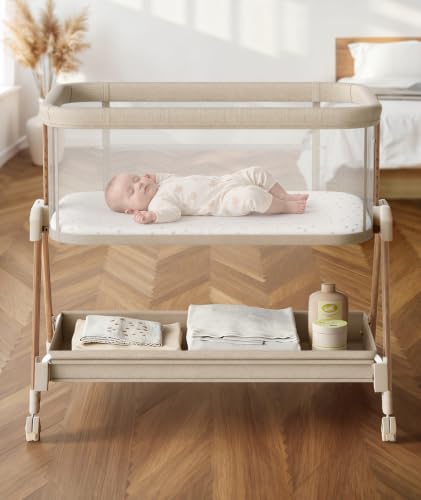
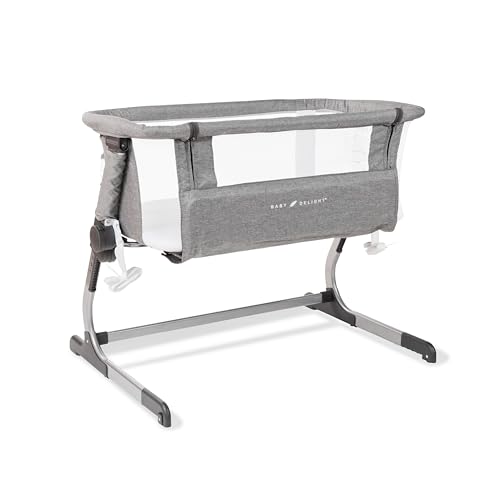
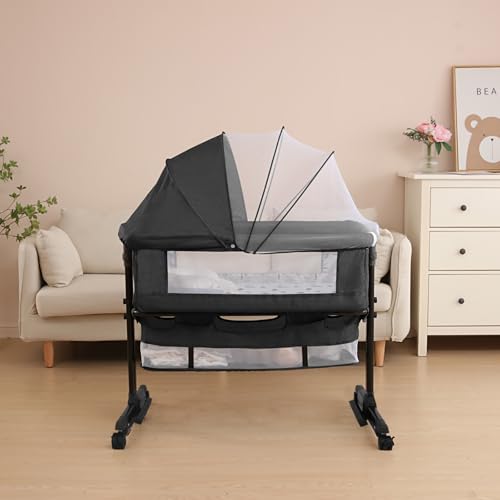
An adjustable height bassinet is a newborn sleep solution built with a frame that can be raised or lowered to align with the height of your bed. Instead of leaning over a fixed rail in the middle of the night, you can bring the bassinet edge closer to your mattress level, lift your baby with less strain, and settle them back down with minimal disturbance. For parents recovering from birth, this small design detail often makes a meaningful difference in comfort and sleep quality.
Why it matters: The first few months involve frequent night wakings. A bassinet that adjusts to your bed height reduces bending, lowers the risk of dropping your baby during transfer, and lets you respond quickly to hunger cues or fussiness. That combination of safety and convenience is exactly why adjustable models have become one of the most requested nursery purchases.
Unlike a standard bassinet with a single fixed height, an adjustable model typically offers several locking positions — from low settings for floor-level beds and sofa-side naps to higher settings that match taller bed frames. Some models also convert into a bedside sleeper by dropping one side, giving you direct access to your baby without leaving your bed. If you are still comparing sleep furniture categories, our guide to the baby bed may help you understand how bassinets fit into a broader nursery plan.
Key Benefits for Parents and Baby
Adjustable height bassinets solve practical problems that fixed-height models simply cannot. Here is what they bring to your nightly routine:
- Less physical strain: Matching the bassinet rim to your bed height means no deep bending after a C-section or during postpartum recovery. This is especially valuable in the first weeks when mobility is limited.
- Faster nighttime responses: A bedside-aligned bassinet lets you check breathing, replace a pacifier, or start a feed within seconds, which helps everyone return to sleep sooner.
- Safer transfers: When the bassinet edge sits close to your mattress, you are less likely to lift your baby awkwardly or drop them during a sleepy transfer.
- Room-to-room flexibility: Many adjustable models are lightweight and portable, so you can move them from the bedroom to the living room for supervised daytime naps.
- Longer usable lifespan: A height range that suits multiple bed frames means the bassinet can follow you through a move, a guest room setup, or a change in sleeping arrangements.
Features That Matter Most
Not every adjustable bassinet is built the same way. When comparing models, focus on these design details rather than surface-level styling:
1. Height Adjustment Range
Check the lowest and highest positions. A wider range covers more bed types — from low platform beds to taller frames. Look for clearly marked locking positions so the bassinet stays secure at every setting. Models with tool-free adjustment are easier to reposition as your needs change.
2. Breathable Mesh Sides
Mesh panels support airflow and let you see your baby without leaning over the rail. They also help you monitor breathing and position at a glance, which is reassuring for anxious first-time parents.
3. Firm, Flat Mattress
A firm, flat sleep surface is a core safe-sleep requirement. The mattress should fit snugly with no gaps around the edges. Avoid models that add thick padding or inclined surfaces, which are not recommended for unsupervised sleep.
4. Stable Base and Locking Wheels
A wide base improves stability, and locking casters let you move the bassinet easily while keeping it fixed in place during sleep. Check that the frame feels solid and does not wobble at higher settings.
5. Bedside Sleeper Conversion
Some adjustable models include a drop-side panel that converts the bassinet into a bedside sleeper, allowing direct access without lifting your baby over a rail. If this feature appeals to you, confirm that the attachment straps are compatible with your bed frame and that the bassinet can be secured firmly.
6. Portability and Storage
Folding frames and included carry bags make travel and storage easier. If you plan to move the bassinet between rooms or take it on trips, prioritize lightweight construction and a simple fold mechanism.
Safety Standards and Setup Tips
An adjustable bassinet must meet the same safety expectations as any infant sleep product. Before you buy, verify that the model complies with current bassinet safety standards in your region, and read the manufacturer's instructions carefully. Key points to keep in mind:
- Firm and flat: Use only the mattress that comes with the bassinet. Do not add pillows, blankets, or bumpers.
- Secure locks: Confirm that every height position locks firmly and that the bassinet cannot collapse or tilt while in use.
- Weight and age limits: Stop using the bassinet once your baby can roll over, sit up, or reaches the manufacturer's weight limit — typically around four to six months.
- Clear surroundings: Keep the bassinet away from windows, curtains, cords, and heaters. Ensure nothing can fall into the sleep area.
- Bedside sleeper attachments: If you use the bedside conversion, follow the strap and gap instructions exactly. The bassinet must sit flush against the bed with no dangerous gaps.
For related sleep furniture guidance, you may also find our overview of the baby crib useful when planning the transition from bassinet to crib.
Market Tiers: Entry-Level to Luxury
Adjustable height bassinets span a wide range of build quality and features. To compare models without relying on fluctuating numbers, we use a consistent tier system based on construction, features, and market positioning. The table below summarizes what to expect at each tier.
| Tier | Typical Features | Best For |
|---|---|---|
| Entry-Level | Basic height adjustment with a few positions, simple mesh sides, lightweight frame, standard fold | Parents who want essential adjustability for occasional bedside use or a secondary sleep space |
| Mid-Range | Wider height range, smoother adjustment mechanism, reinforced base, bedside sleeper conversion, carry bag | Most families seeking a balance of durability, convenience, and everyday reliability |
| Premium | Premium materials, tool-free height changes, rock-and-sway modes, integrated storage, superior mattress | Parents who prioritize smooth mechanisms and multi-function features for daily use |
| Luxury | High-end fabrics, refined design, smart features, expansive height range, premium travel case | Buyers who want a statement piece with top-tier construction and long-term versatility |
In general, mid-range and premium models tend to offer smoother adjustment mechanisms and sturdier bases than entry-level options, while luxury models emphasize materials and design refinements. Use this framework as a starting point, then match the tier to how often you expect to use the bassinet and whether you need portability or bedside conversion.
How to Choose the Right Model
Start with your bed height. Measure from the floor to the top of your mattress and compare it to the bassinet's adjustment range. If your bed is unusually tall or low, a model with a wider range will serve you better. Next, decide whether you need a bedside sleeper conversion or a simple standalone bassinet. If you plan to travel, check the folded dimensions and included carry bag.
Consider your room layout as well. A bassinet with a compact footprint fits more easily beside a bed in a small nursery. Locking wheels help if you move the bassinet between rooms during the day. Finally, review the mattress and sheet options — a firm, snug-fitting mattress and washable sheets make daily care much easier.
If you are building out a full nursery, pair your bassinet research with our guides to a baby changing table and baby dresser so your sleep, diapering, and clothing zones work together efficiently.
Setting Up for Safe Sleep
Once your bassinet arrives, assemble it according to the manual and test every height position before placing your baby inside. Confirm that the frame locks securely and that the mattress sits flat with no gaps. If you use the bedside sleeper mode, follow the strap instructions and check for gaps between the bassinet and your mattress each night.
Keep the sleep area minimal: a fitted sheet and a firm mattress are all that is needed. Dress your baby in a sleep sack or appropriate sleepwear instead of loose blankets. Place the bassinet in a room with comfortable temperature and good airflow, away from direct drafts and heat sources.
For broader sleep guidance, explore our resources on newborn sleep and baby monitors to support a safe and calm sleep environment.
Frequently Asked Questions
What is an adjustable height bassinet?
An adjustable height bassinet is a newborn sleep solution with a frame that can be raised or lowered to match different bed heights, making nighttime feeding and soothing easier while keeping baby safely within arm's reach.
Is an adjustable height bassinet safe for overnight sleep?
Yes, when used correctly. Choose a model with a firm, flat mattress, secure locking mechanisms, and mesh sides for airflow. Always follow the manufacturer's weight limits and keep the bassinet free of loose bedding.
How long can my baby use an adjustable height bassinet?
Most bassinets are designed for babies from birth until they can roll over, sit up, or reach the manufacturer's weight limit, typically around four to six months.
Do adjustable height bassinets work with all bed heights?
Not all. Check the height range of the bassinet and compare it to your bed frame. Some models offer a wide range to accommodate platform beds, standard beds, and taller mattresses.
Ready to Compare Adjustable Height Bassinets?
Explore our curated selection of recommended models below and find the one that fits your bed height, room layout, and nightly routine.
VIEW TOP PICKS