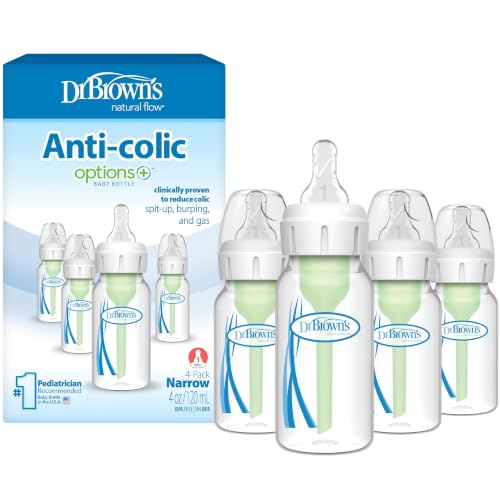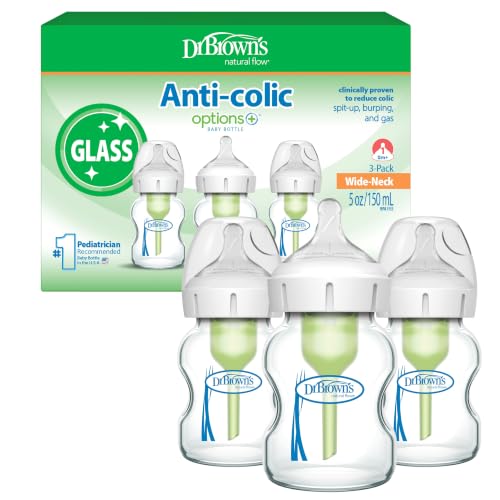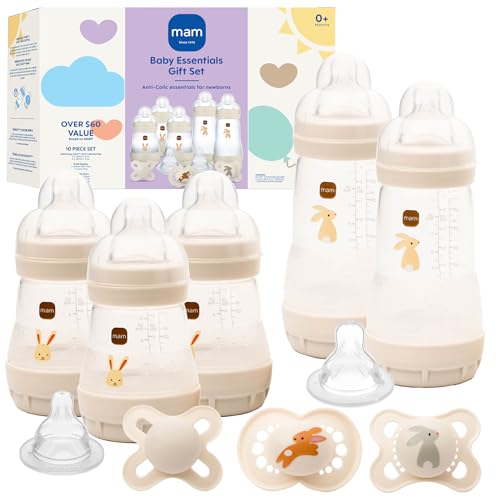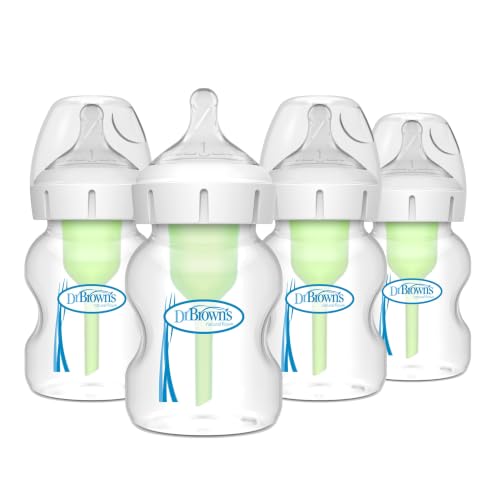
Best Anti Colic Bottles for Newborns
Reduce gas, spit‑up, and fussiness with the right bottle. Our expert guide covers the top designs, key features, and feeding tips to help your baby feed comfortably.
What Are Anti Colic Bottles and Do They Really Work?
Anti colic bottles are specially designed feeding bottles that aim to reduce the amount of air a baby swallows during feeding. Excess air can lead to gas, bloating, spit‑up, and colic symptoms. These bottles typically feature vented systems, angled nipples, or collapsible bags that help minimize air intake and create a more natural feeding rhythm.
While no bottle can completely eliminate colic, many parents and pediatricians agree that anti colic designs can significantly reduce discomfort. Studies show that bottles with advanced venting can cut air ingestion by up to 80%, leading to calmer feedings and happier babies. The right anti colic bottles newborn can make a real difference in your daily routine.
🌬️ Reduces Air Swallowing
Vented nipples and internal channels prevent air from mixing with milk.
😴 Less Fussiness
Less gas means less discomfort, so your baby sleeps and feeds better.
🔄 Easy to Clean
Most anti colic bottles are dishwasher‑safe and have simple parts.
👶 Mimics Breastfeeding
Wide, soft nipples encourage a proper latch and reduce nipple confusion.
Key Features to Look for in Anti Colic Baby Bottles
When choosing the best bottle for your newborn, consider these essential features:
1. Venting System
Look for bottles with an internal vent, valve, or air‑free design. Top brands use one‑way air vents that allow air to flow into the bottle, not into your baby’s tummy.
2. Nipple Shape and Material
Soft, wide‑base silicone nipples that mimic the breast are ideal. They promote a deep latch and reduce colic. Some bottles offer variable flow nipples as your baby grows.
3. Ease of Cleaning
Simple designs with few parts are easier to sterilize and assemble. Check if the bottle is dishwasher‑safe and BPA‑free.
4. Size and Capacity
Start with 4‑5 oz bottles for newborns, and have larger 8‑9 oz bottles ready for when your baby’s appetite increases.
Vented Base
Reduces vacuum effect, minimizes air ingestion
Slow‑Flow Nipple
Ideal for newborns, prevents overfeeding
Wide Neck
Easy to fill, clean, and mix formula
BPA‑Free Plastic
Safe, durable, and lightweight for travel
Top Anti Colic Bottles for Newborns – Comparison
Here are some of the most recommended anti colic bottles on the market, along with their key specs:
| Product | Venting Type | Nipple Material | Size (oz) | Price Range |
|---|---|---|---|---|
| Dr. Brown’s Options+ | Internal vent system | Silicone | 5, 8 | $20–$30 |
| Philips Avent Anti‑Colic | Air‑free vent | Silicone | 4, 9 | $18–$28 |
| Tommee Tippee Closer to Nature | Anti‑colic valve | Soft silicone | 5, 9 | $22–$35 |
| MAM Anti‑Colic | Vented base | Skin‑soft silicone | 5, 9 | $25–$40 |
| NUK Simply Natural | Silk‑like nipple | Silicone | 5, 8 | $20–$30 |
Prices are approximate and may vary by retailer. Always check for current deals and multi‑pack options.
How to Choose the Right Anti Colic Bottle for Your Baby
Every baby is different, so you may need to try a few bottles before finding the perfect match. Here’s a step‑by‑step approach:
- Start with a slow‑flow nipple – Newborns need a slow flow to avoid gulping air. Most anti colic bottles come with a size 1 or slow‑flow nipple.
- Observe feeding behavior – Watch for signs of discomfort, clicking sounds, or milk leaking from the mouth. These may indicate the bottle isn’t venting properly.
- Consider your baby’s latch – If your baby is combination‑fed, a wide, breast‑like nipple can reduce confusion and make switching between breast and bottle easier.
- Check the venting system – Some bottles use internal straws, others use collapsible bags. Choose one that fits your lifestyle and cleaning preference.
- Read reviews and ask your pediatrician – Other parents’ experiences can be valuable, and your baby’s doctor can offer personalized advice.
Remember, the best bottle is the one your baby accepts and feeds comfortably. Don’t be discouraged if the first choice isn’t a success – it’s normal to experiment.
🌱 Expert Tips for Bottle‑Feeding a Colicky Baby
- Hold your baby upright – Keep baby at a 45‑degree angle to reduce air intake.
- Burp frequently – Burp your baby every 2‑3 ounces to release trapped air.
- Paced bottle feeding – Let baby pause and control the feeding pace.
- Check the nipple flow – Ensure the milk drips slowly; a fast flow can overwhelm a newborn.
- Warm the bottle – Cold milk can cause tummy upset. Warm to body temperature for comfort.
Essential Accessories for Anti Colic Bottle Feeding
To get the most out of your anti colic bottles, consider these helpful extras:
- Bottle sterilizer – A feeding bottle sterilizer keeps bottles hygienic and safe.
- Bottle warmer – A bottle warmer for breast milk ensures the perfect temperature.
- Drying rack – Air‑drying prevents bacteria buildup.
- Travel caps – Keeps nipples clean when you’re on the go.
Beyond Bottles: More Ways to Soothe Colic
While switching to an anti colic bottle can help, colic often has multiple causes. Explore these related topics for comprehensive relief:
- Newborn sleep guide – Better sleep can reduce fussiness.
- Diaper rash cream for newborn – Keeping your baby comfortable all around.
- Baby sign language – Early communication can reduce frustration.
- Breast pumps that insurance covers – Helpful for pumping moms.
If your baby continues to show signs of severe colic, always consult your pediatrician to rule out underlying conditions.
Ready to Find the Perfect Anti Colic Bottle?
Browse our recommended products below – all carefully selected to help your baby feed happily and comfortably.
Shop Anti Colic Bottles