Breast Pumps That Insurance Covers
Your complete guide to getting a breast pump through insurance. Learn which models are covered, how to file a claim, and choose the best pump for your needs.
For many new and expecting mothers, a breast pump is an essential tool for feeding flexibility, returning to work, or building a milk supply. The good news is that most health insurance plans in the U.S. are required to cover the cost of a breast pump under the Affordable Care Act (ACA). This means you can often get a high-quality pump for free or at a greatly reduced cost.
This guide explains everything you need to know about breast pumps that insurance covers, from understanding your benefits to choosing the right model and filing a successful claim.
Understanding Your Insurance Coverage
Under the ACA, most insurance plans must provide breastfeeding support and supplies, including breast pumps, at no cost to you. However, the specific breast pump that insurance covers will vary based on your plan. Here are the key points to understand:
- Timing: Most plans allow you to order your pump in the third trimester or right after birth. Check with your provider for specific timing.
- Type of Pump: Standard plans typically cover a manual or double electric breast pump. Some may offer an upgrade to a hospital-grade pump for an additional cost.
- In-Network Providers: Insurance companies often work with durable medical equipment (DME) providers. You'll need to order through an approved supplier to get full coverage.
- Prescription: Your healthcare provider may need to write a prescription for the pump, which is then sent to the DME supplier.
💡 Tip: Contact your insurance company directly to ask: "What type of breast pump does my insurance cover?" and "Which DME suppliers are in-network?" This will give you a clear list of your options.
Top Breast Pumps Covered by Insurance
Many leading brands offer breast pumps that are frequently covered by insurance. These models are reliable, efficient, and designed for various lifestyles. The following are some of the most popular options you may be able to get through your insurance plan.
While availability varies by insurer, these are common breast pumps that insurance covers:
- Spectra S1 Plus & S2 Plus: Hospital-strength pumps with closed systems. The S1 has a rechargeable battery, while the S2 is plug-in. Both are highly recommended for their comfort and efficiency.
- Medela Pump in Style with MaxFlow: A classic, reliable double electric pump. Compact and designed for frequent use, it's a top choice for working moms.
- Lansinoh Smartpump 2.0: A double electric pump with app connectivity. It's quiet, comfortable, and often covered as a standard option.
- Evenflo Advanced Double Electric Breast Pump: An affordable and effective pump that many insurance plans cover as a base model.
- Ameda Mya Joy Plus: A compact, lightweight pump with a closed system. It's portable and often included in insurance coverage.
How to Get Your Breast Pump Through Insurance
Getting a breast pump through insurance is a straightforward process. Follow these steps to ensure a smooth experience:
- Call Your Insurance Company: Ask about your coverage for breast pumps. Confirm if you need a prescription and get a list of in-network DME suppliers.
- Get a Prescription: Request a prescription from your OB-GYN or midwife for a breast pump.
- Choose an In-Network Supplier: Select a DME supplier from your insurance's list. Popular online suppliers include Aeroflow, Byram Healthcare, and Edgepark.
- Place Your Order: The supplier will handle the insurance claim. You'll typically just pay for any upgrades (e.g., a pump with a battery or a travel bag).
- Receive Your Pump: The pump will be shipped to you, often around your due date or after delivery.
✅ Pro Tip: Order your pump early in the third trimester to ensure you have it before the baby arrives. Many suppliers can ship it directly to your home.
Choosing the Right Breast Pump
When selecting from the breast pumps that insurance covers, consider your lifestyle, how often you'll pump, and where you'll be pumping. Here are some factors to guide your decision:
- Frequency of Use: If you're returning to work full-time, a double electric pump with a closed system is ideal. For occasional use, a manual pump might suffice.
- Portability: If you travel or pump at work, look for a pump with a rechargeable battery and a compact design.
- Comfort: Look for pumps with adjustable suction levels and soft flange options. Spectra and Medela are known for their comfort.
- Accessories: Some pumps come with extra bottles, coolers, or carrying bags. Check what's included.
Remember, many insurance plans allow you to upgrade to a premium pump for an additional fee. This can be worth it if you want a pump with a battery or a hospital-grade motor.
If you are a new mom, you may also find our guide on newborn sleep helpful for managing those early weeks. For more information on preparing your nursery, visit our nursery decor section.
Frequently Asked Questions
What if my insurance doesn't cover a breast pump?
While most plans cover a pump under the ACA, there are exceptions. If your plan doesn't, you can purchase one directly. Many hospitals and community health programs also offer rental or loan programs.
Can I get a hospital-grade breast pump through insurance?
Some insurance plans cover hospital-grade pumps for mothers with premature babies or specific medical conditions. You'll need a prescription and a letter of medical necessity from your healthcare provider.
How often can I get a breast pump through insurance?
Typically, you can get one pump per pregnancy. Some plans may cover replacement parts like flanges and tubing, so check your policy.
Is the breast pump covered if I buy it myself and then claim reimbursement?
Usually, you must go through an in-network DME supplier to get full coverage. Out-of-network purchases may be partially reimbursed or not at all. Always check with your insurer first.
Tips for a Successful Pumping Journey
Getting a breast pump that insurance covers is just the first step. Here are some tips to make your pumping experience effective and comfortable:
- Use the Right Flange Size: A proper fit is crucial for comfort and milk output. Most pumps come with a standard size, but you may need a different size.
- Keep a Pumping Schedule: Consistency helps maintain milk supply. Pump around the same times each day.
- Sanitize Regularly: Follow the manufacturer's instructions for cleaning and sterilizing your pump parts.
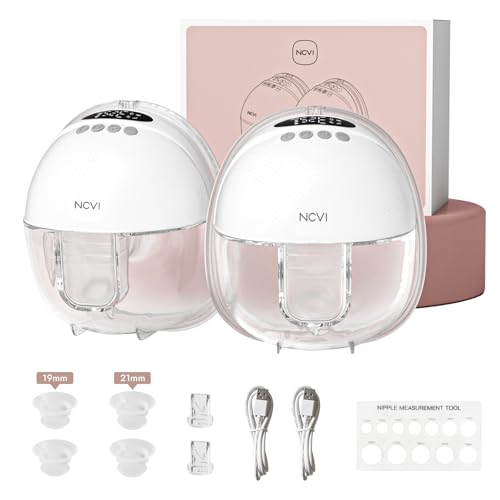
- Consider a Hands-Free Pump: Some newer pumps are wearable and allow you to multitask. These are becoming more common and may be covered or available as an upgrade.
For more support during your postpartum journey, read our articles on postpartum fitness and self-care for moms.