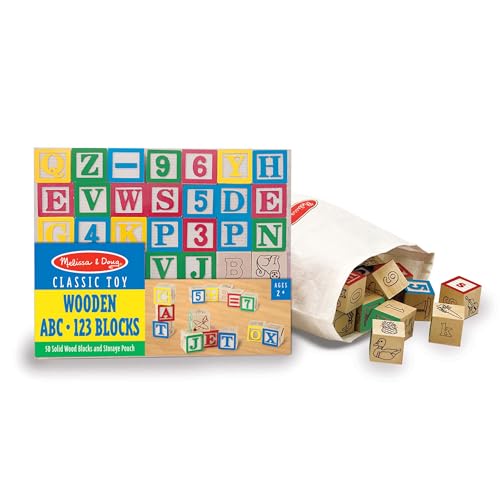
Alphabet Nesting and Stacking Blocks: The Complete Buying Guide
Alphabet nesting and stacking blocks are among the most versatile first toys you can bring into a home. They teach letters, encourage motor planning, support early math concepts, and grow with your child from the sitting-up stage through the preschool years. This guide breaks down what to look for, how the tiers compare, and which features genuinely matter so you can choose with confidence.
Why Alphabet Nesting and Stacking Blocks Matter
A well-designed set of alphabet nesting and stacking blocks does far more than decorate a nursery shelf. During the first year, babies explore how objects relate to one another — nesting a smaller block inside a larger one builds an early understanding of size and sequence. As toddlers, they stack towers, knock them down, and rebuild, which develops hand-eye coordination and problem-solving. By the preschool years, the letters printed on each block become a natural gateway to letter recognition and pre-reading skills.
This is also why these sets remain one of the most requested items on a baby gear list. They serve multiple developmental stages without needing to be replaced, which makes them a worthwhile long-term investment compared with single-stage toys.
What to Look For in Alphabet Nesting and Stacking Blocks
Shopping for these blocks is straightforward once you know the criteria that separate a solid set from a forgettable one. Focus on the following five areas.
1. Material and Build Quality
Most sets are made from one of three materials: sturdy cardboard, solid wood, or molded plastic. Cardboard sets are the lightest and are typically entry-level; they suit young babies who mostly nest and mouth. Wooden sets sit in the mid-range and premium tiers, offering a satisfying weight, a natural feel, and durability that survives years of stacking. Plastic sets occupy the mid-tier and are easy to wipe clean. Regardless of material, check for smooth, rounded edges, non-toxic finishes, and a solid build that will not crush or split under toddler enthusiasm.
2. Letter Legibility and Design
The whole point of an alphabet set is the alphabet. Look for clear, high-contrast lettering on every face, with uppercase and lowercase forms where possible. Letters should be large enough to read from a distance and printed or engraved so they do not peel or fade. Sets that pair letters with a coordinating picture — A with an apple, B with a bear — give children a second layer of association and make the learning more memorable.
3. Nesting and Stacking Versatility
A strong set works both ways: the blocks nest inside one another and also stack into a tower. Nesting develops size sequencing and spatial reasoning, while stacking builds balance and fine motor control. Check that the nesting action is smooth rather than stiff, and that stacked blocks interlock or rest stably enough for a toddler to build a tower without constant collapses.
4. Size and Number of Pieces
Sets generally range from six to twelve pieces. A ten-piece set is a balanced choice — enough pieces to build a meaningful tower and cover a full alphabet across multiple faces, without overwhelming a young child. Pay attention to the size of the smallest block; it should be large enough that it is not a choking hazard for babies who are still mouthing.
5. Storage and Portability
Because the blocks nest, the largest piece doubles as a container. This is one of the great practical advantages of nesting sets — they collapse into a compact footprint that fits on a shelf or in a toy bin. If you are organizing a nursery, pair these blocks with a dedicated toy storage organizer with bookshelf so pieces have a defined home and the play area stays tidy.
Comparing the Tiers: Entry-Level, Mid-Range, and Premium
Alphabet nesting and stacking blocks fall into three broad tiers. Understanding the differences helps you match a set to your child's age and your household's needs.
| Tier | Typical Construction | Best For | Notable Characteristics |
|---|---|---|---|
| Entry-Level | Sturdy cardboard with printed finishes | Babies 6–18 months; first nesting experiences | Lightweight, colorful, easy to grip, simple lettering |
| Mid-Range | Molded plastic or lighter wooden sets | Toddlers 1–3 years; daily stacking and nesting | Wipe-clean surfaces, reinforced joints, brighter letter contrast |
| Premium | Solid wood with sanded edges and non-toxic finishes | Families planning multi-year use and sibling hand-me-downs | Heavy-duty construction, engraved letters, heirloom feel |
| Luxury | Hardwood with artisan finishing and coordinated design themes | Design-conscious nurseries and gifting | Flagship-tier craftsmanship, cohesive nursery aesthetics |
A mid-range set usually offers a smoother nesting action and better letter durability than an entry-level one, while premium wooden sets justify their position through long-term resilience. If you are building a cohesive nursery, a luxury set can also function as decor — consider pairing it with a gender-neutral nursery theme so the blocks complement the room rather than clash with it.
Developmental Benefits by Age
The same set delivers different value at different stages. Here is how to use alphabet nesting and stacking blocks as your child grows.
- 6–12 months: Focus on nesting and dumping. Hand-over-hand guidance helps babies discover that small blocks fit inside large ones. This is foundational spatial learning.
- 12–24 months: Introduce stacking. Expect towers of two or three blocks at first, then steady progress. Celebrate the knockdowns — they are part of the learning.
- 2–3 years: Add letter naming. Point to letters as you stack and name them aloud. Simple games like "find the B" turn play into early literacy practice.
- 3–4 years: Encourage sorting by letter, color, or size, and building more elaborate structures. These activities reinforce sequencing and categorization.
These blocks also pair naturally with other developmental toys for the same age window, such as developmentally appropriate toys for 12-month-olds, making them an easy addition to an existing play rotation.
Safety Considerations
Safety should be non-negotiable, especially for the youngest users. Keep the following in mind:
- Check that paints and finishes are non-toxic and compliant with current safety standards.
- Inspect edges for roughness or splinters, particularly on wooden sets.
- Ensure the smallest piece is large enough to avoid being a choking hazard for babies under three.
- Avoid sets with loose stickers or decals that can peel off and be swallowed.
- Discard any piece that cracks, splinters, or loses structural integrity.
For broader peace of mind around the play area, a properly fitted baby gate keeps block play safely contained in one room, and the baby gate for stairs option protects the most common fall risk in homes with multiple levels.
How Alphabet Blocks Fit Into a Learning-Friendly Home
Alphabet nesting and stacking blocks work best when they are accessible and visible. A low shelf or open bin invites independent play, while rotating toys in and out keeps interest high. If you are designing a dedicated play corner, the blocks sit comfortably alongside other early-learning staples and can be stored using the same storage solutions you use for the rest of the nursery.
Many parents also find that these blocks are a natural companion to parenting books that focus on early literacy and play-based learning — reading about developmental stages reinforces what you observe during block play.
Frequently Asked Questions
Ready to bring home a set? Explore our curated recommendations below and find the right alphabet nesting and stacking blocks for your child's stage.
Explore Top Picks