Baby Gate Buying Guide
Keep your little explorer safe with the right baby gate. Learn about types, installation, safety standards, and choose the best gate for every doorway and stairway in your home.
A baby gate (also called a safety gate or stair gate) is one of the most essential baby proofing tools for any home with a crawling or toddling child. It creates a physical barrier that prevents your little one from accessing stairs, kitchens, fireplaces, or other hazardous areas. With dozens of models available, choosing the right gate can feel overwhelming. This guide breaks down everything you need to know—from types of baby gates to installation tips and safety standards—so you can make an informed decision.
Before you buy, consider where you plan to use the gate. Will it be at the top of the stairs, between rooms, or around a fireplace? Each location has unique requirements, and the wrong gate can be a safety hazard. We'll help you match the right gate to your specific needs.
Types of Baby Gates
Baby gates generally fall into two main categories based on installation method: pressure-mounted and hardware-mounted. Each has its pros, cons, and ideal use cases.
🛠️ Hardware-Mounted Gates
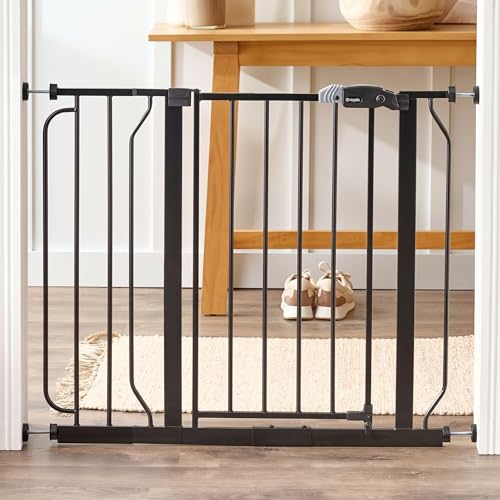
Secured with screws into the wall or door frame. Strongest and safest option, especially for top of stairs use. Requires drilling but offers permanent stability.
🔧 Pressure-Mounted Gates
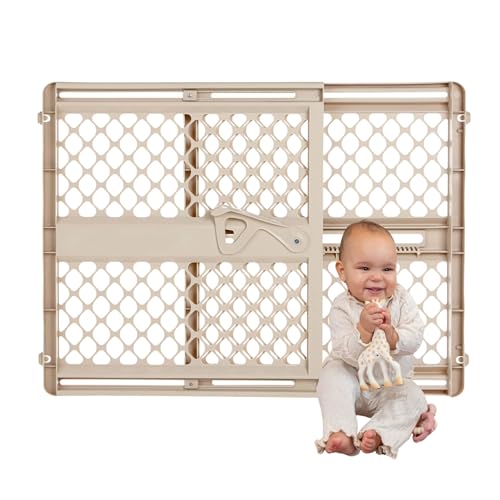
Held in place by tension between walls or door frames. Easy to install and remove, but not suitable for top of stairs. Great for doorways and room-to-room use.
🚪 Retractable/Retractable Gates
Made of mesh or fabric that rolls up when not in use. Sleek, space-saving, and easy to operate. Ideal for modern homes or where aesthetics matter.
🪜 Extra-Wide & Custom Gates
Designed for wide openings, staircases without a banister, or non-standard spaces. Can be hardware-mounted and often custom-sized for unique gaps.
For top of stairs, always choose a hardware-mounted gate. Pressure-mounted gates can dislodge under pressure and cause a dangerous fall. For bottom of stairs or doorways between rooms, pressure-mounted or retractable gates are convenient and effective.
What to Look For in a Baby Gate
When comparing baby gates, prioritize safety, durability, and ease of use. Here are the most important features to evaluate:
- Safety Certification: Look for gates that meet ASTM (American Society for Testing and Materials) safety standards. This ensures the gate has passed rigorous safety tests.
- Height: A gate should be at least 30 inches tall. For active toddlers, a 36-inch gate provides extra security.
- Width Capacity: Measure your opening accurately. Most gates fit standard doorways (29–36 inches), but extra-wide models are available for up to 60 inches or more.
- Locking Mechanism: Choose a gate with an adult-friendly lock that's easy to open with one hand but difficult for a child to manipulate. Look for dual-action locks (squeeze and lift) for added safety.
- Bar Spacing: Ensure vertical bars are close enough to prevent a child's head from getting stuck. Spacing should be less than 2.5 inches.
- Material: Steel and aluminum gates are durable and easy to clean. Wood gates offer a classic look but require more care. Mesh gates are lightweight but less durable for high-traffic areas.
- Gap-Free Fit: Choose a gate with a "walk-through" door that opens fully without a bottom bar that could be a tripping hazard.
Installation Tips & Best Practices
Proper installation is just as important as choosing the right gate. A poorly installed gate can become a hazard itself. Follow these guidelines for safe and secure installation:
- Read the Manual: Always follow the manufacturer's instructions for your specific gate model.
- Check Surface Compatibility: Hardware-mounted gates need solid studs or a stable wall surface. Avoid attaching to drywall alone. Use wall anchors if necessary.
- Measure Twice: Use a tape measure to confirm the width of your opening at the height where the gate will be mounted. Walls may not be perfectly straight.
- Level the Gate: Use a level to ensure the gate is perfectly horizontal. A crooked gate won't close or lock properly.
- Test the Lock: After installation, test the lock multiple times to ensure it engages securely. Teach older children how to use the gate safely.
- Inspect Regularly: Check the gate's fittings and tension every few weeks. Hardware may loosen over time, and pressure-mounted gates can shift.
🔒 Pro Tip: Top of Stairs
For a gate at the top of the stairs, ensure the gate opens away from the stairs. This prevents the gate from being accidentally pushed open over the stairs. Also, never use a pressure-mounted gate at the top of stairs.
Price Comparison: Popular Baby Gate Types
Baby gate prices vary widely based on type, material, and features. Here's a general pricing guide to help you budget:
| Type | Price Range | Best For |
|---|---|---|
| Pressure-Mounted Gate | $25–$80 | Doorways, room dividers, bottom of stairs |
| Hardware-Mounted Gate | $40–$150 | Top of stairs, high-traffic areas |
| Retractable Mesh Gate | $60–$180 | Modern interiors, minimal visual impact |
| Extra-Wide / Custom Gate | $100–$350+ | Wide staircases, non-standard openings |
* Prices are approximate and based on current market conditions as of 2026.
Safety Standards & Certifications
Before purchasing a baby gate, verify that it meets recognized safety standards. In the United States, look for gates that comply with ASTM F1004, the standard for expansion gates and expandable enclosures. In Europe, the EN 1930 standard applies.
Key safety features to confirm:
- No sharp edges or pinch points
- Secure locking mechanism that resists child manipulation
- Stable construction that doesn't wobble or flex
- No large gaps that could trap a child's head or limbs
- Clear instructions for installation and use
Also, check if the gate has been tested for durability and impact resistance. Some gates are rated for up to 50 pounds of force or more, which is important as your child grows and becomes stronger.
While you're preparing a safe environment for your baby, you might also be interested in other baby safety essentials. For example, a baby monitor can give you peace of mind when your child is in another room. If you're creating a nursery, consider crib sheets and crib mobiles to create a cozy sleep space. For older babies, a baby playpen can be a great way to provide a safe play area. And if you're planning to travel, a stroller or baby carrier are essential for mobility. Additionally, a high chair becomes crucial once your baby starts solids.
For parents on the go, a diaper bag keeps everything organized, and a changing pad makes diaper changes hygienic and comfortable. Don't forget baby diapers and rash cream to keep your little one comfortable and protected.