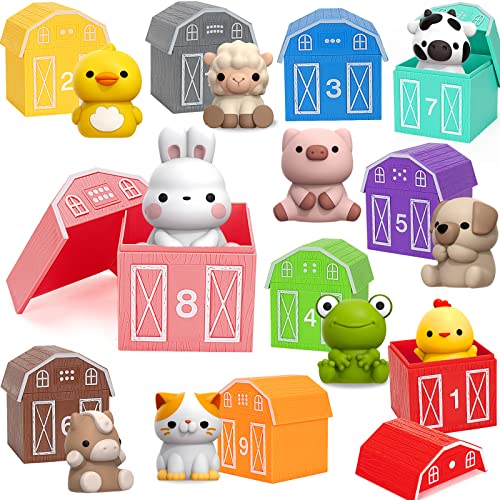
Age Appropriate Toys for 12-18 Months
A complete buying guide to developmental toys that support your toddler's growing curiosity, motor skills, and early learning during this exciting stage.
Explore Top PicksWhy this stage matters: Between 12 and 18 months, toddlers transition from infancy into active exploration. They are walking, climbing, stacking, and beginning to problem-solve. The right toys at this stage nurture fine and gross motor development, encourage language growth, and spark imaginative play. This guide breaks down exactly what to look for, which toy categories deliver the most developmental value, and how to choose safely.
What Toddlers Are Learning at 12-18 Months
Understanding your toddler's developmental milestones helps you choose toys that match their abilities and gently stretch their skills. At this age, most toddlers are mastering:
- Gross motor skills: Walking independently, climbing low furniture, pushing and pulling objects, and beginning to run.
- Fine motor skills: Gripping small objects, stacking blocks, turning pages, and using a pincer grasp to pick up tiny items.
- Cognitive development: Object permanence, cause-and-effect understanding, simple problem-solving, and sorting shapes.
- Language and communication: Babbling with intent, saying first words, following simple instructions, and pointing to express needs.
- Social and emotional growth: Imitating adults, showing preferences, and beginning parallel play alongside other children.
Best Toy Categories for 12-18 Months
The most effective toys for this age group are open-ended, safe, and designed to grow with your child. Here are the categories that deliver the strongest developmental return:
Stacking & Nesting Toys
Classic stacking rings, nesting cups, and alphabet nesting and stacking blocks teach size sequencing, hand-eye coordination, and early problem-solving. Look for smooth edges and lightweight materials.
Push & Pull Toys
Push walkers and pull-along animals encourage cruising and independent walking. These toys build confidence in gross motor skills while adding fun sound or movement feedback.
Shape Sorters & Puzzles
Simple shape sorters with chunky, easy-to-grip pieces develop cognitive mapping and fine motor control. Start with one or two shapes and progress to more complex boards.
Activity Centers & Cubes
An activity cube or a baby activity center offers multiple sensory experiences in one footprint. These are excellent for curious toddlers who need variety.
Board Books & First Words
Durable board books with bold images and textures support language development and early literacy. Choose books with flaps, textures, or simple repetitive text.
Musical & Sound Toys
Simple instruments like tambourines, drums, and xylophones introduce rhythm and cause-and-effect. Keep volume controlled and avoid overly loud electronic toys.
Large Building Blocks
Oversized soft blocks or chunky plastic blocks allow toddlers to stack, knock down, and rebuild. This builds spatial awareness and creativity without frustration.
Pretend Play Basics
Simple play food, a toy phone, or a small pretend toolbox encourages imitation and early imaginative play. These toys grow with your child through the toddler years.
Toy Features to Prioritize by Tier
Not all toys in a category are created equal. Use this tier-based framework to evaluate quality and developmental value without relying on numeric comparisons:
| Tier | Best For | Key Features |
|---|---|---|
| Entry-Level | First introduction to a toy type | Simple mechanisms, lightweight construction, basic sensory feedback, easy to clean |
| Mid-Range | Daily use and growing toddlers | Durable construction, multiple play modes, adjustable difficulty, child-safe finishes |
| Premium | Long-term developmental investment | High-grade materials, thoughtful design, multi-stage growth features, heirloom potential |
| Top-Tier | Families seeking the best developmental tools | Expert-designed, research-backed, exceptional durability, versatile play value across ages |
Safety Checklist for Toddler Toys
At 12-18 months, toddlers still explore by mouthing and are prone to tipping and falling. Safety should always come first. Use this checklist when evaluating any toy:
- No small parts that could detach and become a choking hazard — check the choke tube test if unsure.
- Rounded edges and smooth surfaces with no sharp points or splinters.
- Non-toxic, lead-free paints and finishes — look for ASTM or EN71 safety certifications.
- Sturdy construction that resists tipping when your toddler pulls up or leans on it.
- No long cords or strings longer than 7 inches that could pose a strangulation risk.
- Age-appropriate labeling — avoid toys marked for ages 3 and up, as they may contain small parts.
- Easy to clean and sanitize, especially for toys that go into the mouth.
- Battery compartments secured with screws, and no button batteries accessible to tiny fingers.
How Many Toys Does a Toddler Need?
More toys do not equal more development. In fact, research on toddler play suggests that fewer, well-chosen toys can lead to deeper engagement and more creative play. A focused collection of 8-12 high-quality toys rotated regularly is often more effective than a room full of options. Prioritize variety across categories — one stacking toy, one push toy, one shape sorter, a few board books, and a couple of pretend-play items form a strong foundation. As your child approaches 18 months, you can introduce more complex versions of the same categories to keep them challenged.
When to Introduce New Toys
Watch for signs your toddler has outgrown a toy: they complete it effortlessly, lose interest quickly, or the toy no longer challenges their motor skills. That is the ideal moment to introduce a slightly more complex version in the same category. For example, a toddler who masters a three-piece shape sorter is ready for a five- or six-piece board. This progression keeps play engaging without overwhelming them. Avoid introducing too many new toys at once — one or two at a time allows your child to fully explore and master each new challenge.
Ready to Find the Perfect Toys?
Explore our curated selection of developmentally appropriate toys for 12-18 month olds, chosen for safety, durability, and play value.
View Top RecommendationsFrequently Asked Questions
What types of toys are best for a 12-month-old?
At 12 months, toddlers benefit most from toys that encourage movement and exploration: push walkers, stacking toys, large building blocks, and board books. These support the rapid gross and fine motor development happening at this age. Choose toys with simple mechanisms and sensory feedback that reward cause-and-effect discovery.
How do I know if a toy is developmentally appropriate for my 18-month-old?
An appropriate toy should be slightly challenging but achievable with effort. If your toddler can complete the toy's main task easily and shows no interest, it is too simple. If they become frustrated and abandon it repeatedly, it may be too advanced. The sweet spot is a toy they can almost master with a little persistence. For more specific recommendations, explore our guide to age appropriate toys for 18 month old toddlers.
Are electronic toys good for 12-18 month olds?
Electronic toys can be engaging, but they should not dominate your toddler's toy collection. Passive electronic toys that do all the entertaining can reduce opportunities for active problem-solving. Choose electronic toys that require your child to press, turn, or manipulate something to produce a response. Balance screen-free, open-ended toys with any electronic options.
How often should I rotate my toddler's toys?
Rotating toys every two to three weeks keeps play fresh and prevents toy fatigue. Store a portion of your child's toys out of sight and swap them in when interest wanes. This approach makes your existing collection feel new without needing to acquire more. It also keeps the play area organized and reduces visual overwhelm.
What should I do if my toddler puts toys in their mouth?
Mouthing is normal at this age as toddlers explore texture and relieve teething discomfort. Ensure all toys are too large to swallow, made from non-toxic materials, and free of small detachable parts. Offer safe teething toys alongside other playthings, and redirect mouthing toward appropriate items when possible.