Ultimate Activity Cube Buying Guide
Stimulate your baby's senses, fine motor skills, and cognitive development with the perfect activity cube. Our comprehensive guide helps you choose the best option for your little explorer.
SEE TOP PICKSWhy an Activity Cube? More than just a toy, a well-designed activity cube is a developmental powerhouse. It encourages problem-solving, hand-eye coordination, and introduces concepts like colors, shapes, and cause-and-effect in a fun, engaging way. Whether you're looking for a classic wooden design or a high-tech option, this guide will help you find the perfect fit.
What is an Activity Cube?
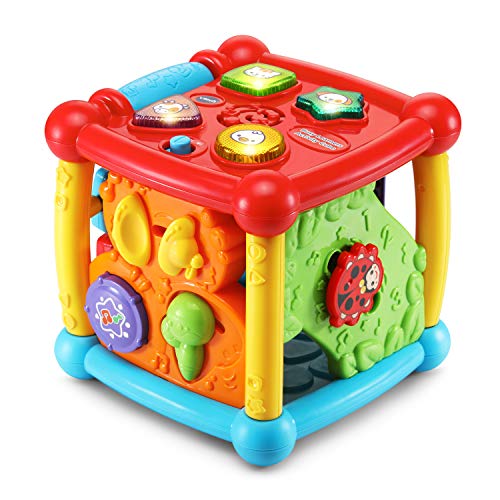
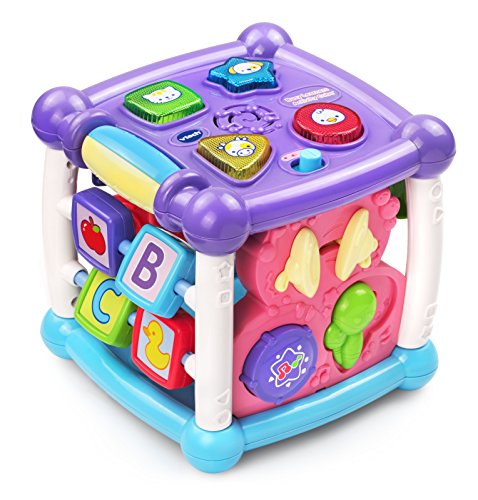
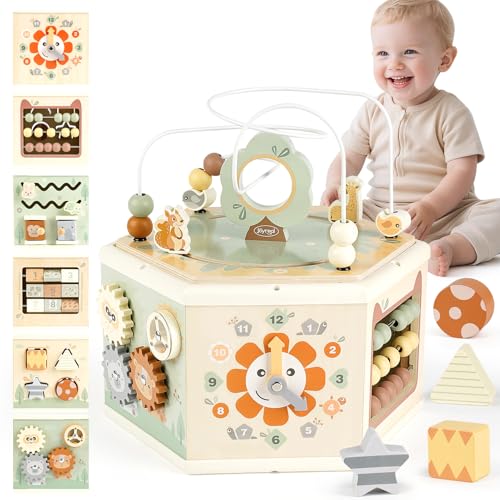
An activity cube is a multi-sided, stationary toy designed to engage babies and toddlers with a variety of interactive elements. Each side typically offers a different activity, such as spinning gears, sliding beads, shape sorters, mazes, or musical components. They are designed to be played with while the child is sitting, promoting stability and focused play.
Activity cubes are often made from wood or durable plastic and are suitable for children aged 6 months to 3 years, adapting with their growing skills. They are a staple in many nurseries and playrooms due to their compact size and wealth of play value.
Key Developmental Benefits
- Fine Motor Skills: Grasping, twisting, turning, and sliding actions strengthen the small muscles in little hands.
- Cognitive Development: Problem-solving (matching shapes, figuring out how to spin a wheel) and understanding cause and effect.
- Sensory Stimulation: Bright colors, varied textures, and sounds provide rich sensory input.
- Hand-Eye Coordination: Tracking moving beads or aligning shapes with holes enhances this crucial skill.
- Independent Play: Activity cubes are perfect for solo exploration, encouraging focus and concentration.
How to Choose the Best Activity Cube
With so many options available, selecting the right activity cube can feel overwhelming. Consider these key factors to make an informed decision that your child will love and benefit from for years.
Age Appropriateness
Look for age recommendations (usually 6-12m or 12m+). For younger babies, focus on cubes with bright colors, simple spinners, and easy-to-grasp parts. Older toddlers will enjoy more complex challenges like mazes and shape sorters.
Material & Safety
Choose non-toxic, durable materials. Wooden cubes (like those with water-based paints) are classic and sturdy. If opting for plastic, ensure it's BPA-free. Check for smooth, rounded edges and securely attached parts to prevent choking hazards.
Variety of Activities
A cube with 4-6 different activities offers the best value. Look for a mix of fine motor (beads, gears, doors), cognitive (shape sorter, matching), and sensory (mirrors, textures, sounds) elements to keep your child engaged.
Stability & Design
A wide, sturdy base prevents tipping. Some cubes feature a removable top for extra play value. Consider the overall size – it should be large enough to be engaging but compact enough to fit comfortably in your play area.
Safety & Maintenance Tips
- Check for Recalls: Before buying, check the manufacturer's website for any product recalls. Safety is paramount.
- Inspect Regularly: Periodically check for loose parts, splinters (on wooden cubes), or sharp edges.
- Cleaning: Wooden cubes can be wiped with a damp, soapy cloth and dried immediately. Plastic cubes can be washed with mild soap and water.
- Supervision: Always supervise your child during playtime, especially with younger babies.
Features & Price Guide
Activity cubes range in price from around $30 for basic plastic models to over $150 for premium wooden designs with extensive features. The price often reflects the material quality, number of activities, and brand reputation.
For example, a high-quality wooden activity cube from a trusted brand like Hape or Melissa & Doug typically costs in the $80–$150 range and offers a beautiful, durable design with multiple, well-crafted activities. More budget-friendly plastic options can be found for $30–$70, but may have fewer activities or be less durable. Ultimately, investing in a well-made cube can provide years of educational play.
🧠 Expert Tip: Rotate to Sustain Interest
Just like with other toys, activity cubes can lose their novelty if they're always available. To keep your child engaged, consider rotating the activity cube with other toys. Put it away for a week or two, then bring it back out – your child will rediscover it with fresh curiosity! This simple strategy can extend the lifespan and play value of your purchase.
Your Activity Cube Checklist
Use this quick checklist when comparing models to ensure you're getting the best toy for your child's development.
By using this checklist, you can quickly evaluate different products and feel confident in your final decision.
Explore More
For further guidance on supporting your child's development, check out our guides on baby development, the best baby activity centers, and newborn toys. You might also be interested in our reviews of developmental toys and building blocks for more playtime inspiration.
If you're planning a nursery, don't miss our nursery ideas for grandparents' house or small room set-up ideas. For more toy-related content, explore our articles on toys for 18-month-olds and ride-on cars guide.