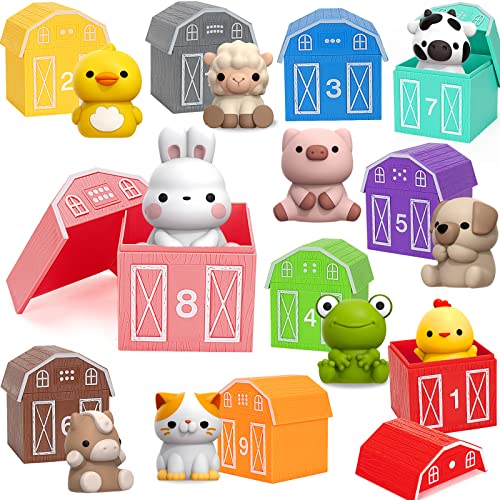
Age Appropriate Toys for 18 Month Old
Your toddler is on the move, exploring everything, and learning at lightning speed. Discover the toys that match their developmental stage and fuel their curiosity.
EXPLORE TOY CATEGORIESWhy the right toys matter at 18 months: At this stage, your toddler is mastering walking, stacking, sorting, and using simple words. The best toys for an 18 month old are those that encourage active exploration, problem-solving, and imitation — not passive entertainment. This guide breaks down the most beneficial toy categories, safety considerations, and practical tips for building a play collection that grows with your child.
What Is Your 18 Month Old Learning?
Understanding your toddler's developmental stage helps you choose toys that are both engaging and appropriately challenging. Most 18 month olds are working on:
- Gross motor skills: Walking confidently, starting to run, climbing, and pushing or pulling objects.
- Fine motor skills: Stacking blocks, scribbling with crayons, turning pages, and using simple tools.
- Language development: Saying several words, following simple instructions, and pointing to familiar objects.
- Cognitive skills: Sorting shapes, matching objects, and understanding cause and effect.
- Social-emotional skills: Imitating adults, engaging in simple pretend play, and showing preferences.
Best Toy Categories for 18 Month Olds
Push & Pull Toys
Walking is a major milestone, and push-and-pull toys reinforce balance, coordination, and confidence. Look for sturdy construction and easy-grip handles. These toys encourage your toddler to move with purpose and explore their environment.
Stacking & Building Toys
Large stacking blocks, nesting cups, and simple building sets develop fine motor control and spatial awareness. They also introduce early math concepts like size and sequence. Opt for lightweight, rounded pieces that are easy for small hands to grasp.
Shape Sorters & Puzzles
Simple shape sorters and chunky wooden puzzles teach problem-solving, hand-eye coordination, and shape recognition. Choose puzzles with large knobs and few pieces to avoid frustration and reduce choking risk.
Board Books
Durable board books with bright illustrations and simple text support language development and early literacy. Interactive features like lift-the-flap or touch-and-feel elements keep toddlers engaged and eager to "read" again and again.
Ride-On Toys
Foot-to-floor ride-on toys build leg strength and coordination. Look for models with a low seat, wide base, and smooth-rolling wheels. These toys bridge the gap between walking and future tricycle riding.
Pretend Play Toys
Simple pretend-play items like play food, a toy phone, or a soft doll encourage imitation and social-emotional growth. These toys help toddlers make sense of the world around them and practice everyday routines.
Musical Instruments
Toddler-safe drums, tambourines, and shakers introduce rhythm and cause-and-effect. Musical play supports auditory development and provides a joyful outlet for energy. Choose instruments with rounded edges and non-toxic finishes.
Sensory Toys
Textured balls, soft blocks, and water-play toys stimulate the senses and encourage tactile exploration. Sensory play supports cognitive development and helps toddlers process new information through touch, sight, and sound.
Quick Toy Selection Guide
Use this table to match toy types with the developmental skills they support. The "Tier" column reflects the position of toy quality within the category — not a reflection of cost.
| Toy Category | Best For | Key Features | Tier |
|---|---|---|---|
| Push & Pull Toys | Gross motor skills | Sturdy wheels, easy-grip handle | Essential tier |
| Stacking Blocks | Fine motor skills | Lightweight, rounded edges | Starter tier |
| Shape Sorters | Cognitive development | Large knobs, few pieces | Mid-tier |
| Board Books | Language skills | Durable pages, interactive elements | Essential tier |
| Ride-On Toys | Balance & coordination | Low seat, wide base | Balanced tier |
| Pretend Play Sets | Social-emotional skills | Simple, open-ended design | Mid-tier |
| Musical Instruments | Auditory development | Non-toxic finish, rounded edges | Starter tier |
| Sensory Toys | Tactile exploration | Textured surfaces, safe materials | Essential tier |
Toy Safety Checklist for 18 Month Olds
Safety first: Toddlers explore with their mouths, so choking prevention is critical. Always check toys for small parts, loose pieces, and sharp edges. Look for age recommendations on packaging and choose toys labeled for 18 months and up. Avoid toys with long strings, cords, or magnets. Inspect toys regularly for wear and tear, and remove any damaged items immediately. For more on keeping your little one safe during play, see our 16 month old toy guide for complementary safety insights.
- No small parts: Avoid toys with pieces that fit inside a toilet paper tube — these pose a choking hazard.
- Non-toxic materials: Choose toys with water-based paints and finishes that are safe for mouthing.
- Sturdy construction: Toys should withstand dropping, throwing, and pulling without breaking into sharp pieces.
- Age-appropriate labeling: Always follow the manufacturer's age recommendation.
- Supervised play: Even safe toys require adult supervision, especially during active play.
How Many Toys Does an 18 Month Old Need?
More toys do not equal more learning. In fact, too many toys can overwhelm a toddler and shorten attention spans. A curated collection of 10 to 15 open-ended toys is generally sufficient. Rotate toys every few weeks — store some away and bring them out later. This keeps playtime fresh and helps your toddler focus on the toys currently available. For more ideas on building a thoughtful toy collection, explore our 1 year old toys guide and 12-18 month toy recommendations.
Play Ideas to Try at Home
Stacking Race
Build a tower together and encourage your toddler to stack blocks as high as they can. Celebrate each attempt — knocking it down is half the fun and teaches cause and effect.
Shape Hunt
Hide shape sorter pieces around the room and ask your toddler to find them. This combines movement with problem-solving and keeps little ones engaged.
Book Nook Time
Create a cozy corner with board books and let your toddler choose which book to "read." Point to pictures, name objects, and ask simple questions to build vocabulary.
Pretend Kitchen
Set up a simple pretend-play station with play food and a bowl. Model stirring, serving, and tasting. This encourages imitation and social interaction.
Music & Movement
Turn on music and shake instruments together. March, sway, and clap to the beat. Music play supports coordination, listening skills, and emotional expression.
Sensory Bin
Fill a shallow bin with large, safe items like textured balls or soft blocks. Supervise closely as your toddler explores different textures and shapes.
Ready to Build the Perfect Toy Collection?
Explore our curated selection of developmental toys for 18 month olds. Each product is chosen for safety, durability, and learning value.
VIEW RECOMMENDED TOYSFrequently Asked Questions
What types of toys are best for an 18 month old?
The best toys for 18 month olds are those that encourage active play, problem-solving, and language development. Look for push-and-pull toys, stacking blocks, simple shape sorters, board books, and ride-on toys that support their growing mobility and curiosity.
How many toys should an 18 month old have?
A manageable collection of 10 to 15 open-ended toys is generally sufficient. Rotating toys every few weeks keeps engagement high and prevents overwhelm. Focus on quality and developmental value rather than quantity.
Are electronic toys good for 18 month olds?
Simple electronic toys with lights and sounds can be engaging, but they should not dominate playtime. Passive electronic toys that do all the work for the child offer limited developmental benefit. Choose interactive toys that require the child to activate them and encourage real-world exploration.
What safety features should I look for in toys for an 18 month old?
Look for toys with no small parts that could pose a choking hazard, non-toxic finishes, rounded edges, and sturdy construction. Avoid toys with long strings or cords. Check for age recommendations and safety certifications on the packaging.