360 Degree Rotating Car Seat: Complete Buying Guide
Learn how rotating car seats work, what safety features to prioritize, and how to choose the right model for your child and vehicle. A practical guide for parents who want easier loading without compromising protection.
How 360 Degree Rotating Car Seats Work
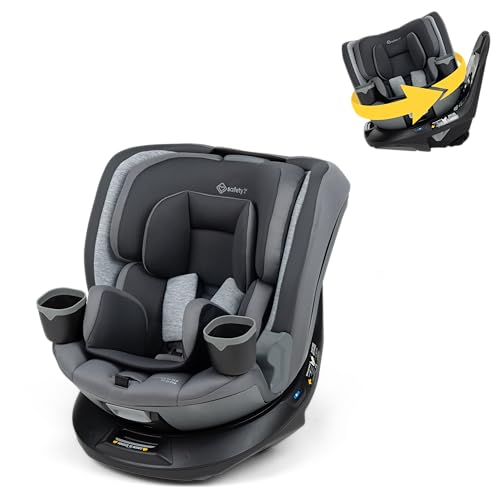
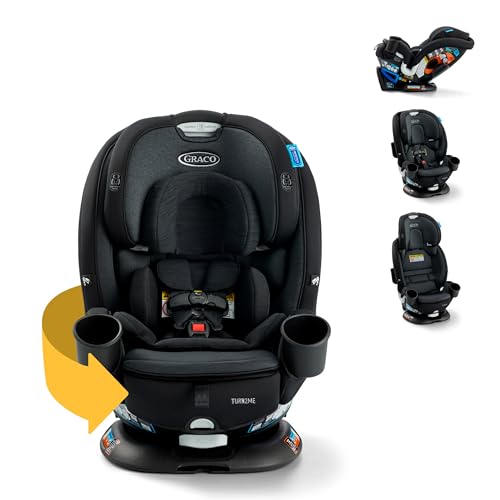
A 360 degree rotating car seat combines a traditional car seat shell with a swivel base. The base stays anchored to the vehicle seat, while the seat itself rotates toward the door. This makes it easier to place a child into the seat, buckle the harness, and lift them out without twisting your body into an awkward position.
Once the child is secured, the seat rotates back and locks into either the rear-facing or forward-facing position required for travel. The locking mechanism is the most important safety component, so look for models with clear, audible confirmation that the seat is fully engaged before driving.
Most rotating models fall into the convertible or all-in-one category, meaning they support rear-facing for infants and toddlers, then forward-facing with a harness, and in some cases booster mode as the child grows. This long usable life is one reason parents consider a rotating seat a long-term investment rather than a single-stage purchase.
Key Benefits for Parents and Caregivers
The rotating feature is more than a convenience gimmick. For many families it reduces back strain, shortens loading time, and makes it easier to secure a wriggling toddler correctly. Here are the main advantages:
- Easier loading and unloading: The seat turns toward the open door, so you can face your child while buckling the harness.
- Less physical strain: Parents with back or shoulder issues often find rotating seats far more comfortable to use daily.
- Better harness fit: Facing the child makes it easier to check that the harness is snug and the chest clip is at the correct height.
- Useful in tight parking spaces: When a door cannot open fully, rotating the seat still gives you a workable loading angle.
- Long usable life: Most models transition from rear-facing through forward-facing, and some extend into booster mode.
These benefits are especially noticeable for grandparents, caregivers with limited mobility, and families with more than one young child.
Safety Features That Matter
A rotating seat must meet the same federal safety standards as any other car seat. The rotation mechanism adds complexity, so it is worth paying attention to how the seat locks and how the base is installed. Focus on these features:
- Positive locking system: The seat should click or lock firmly into rear-facing and forward-facing positions with a clear indicator.
- Five-point harness: A five-point harness with a chest clip distributes force across the strongest parts of a child's body.
- Rear-facing weight and height limits: Choose a model with generous rear-facing limits, since rear-facing is the safest position for as long as the seat allows.
- Installation method: Look for a seat that offers both lower anchor (LATCH) and seat belt installation, plus a lock-off or tension indicator.
- Side-impact protection: Reinforced head and torso wings add protection in side collisions.
- Anti-rebound features: Some models include a load leg or rebound bar to limit forward rotation in a crash.
If you are comparing rotating designs with fixed convertible seats, our guide to a 360 convertible car seat explains how the two approaches differ in daily use and long-term flexibility.
Product Tiers and What Each Offers
Rotating car seats are available across several market tiers. The table below describes what each tier typically offers so you can match a model to your family's needs and vehicle.
| Tier | Best For | Typical Features |
|---|---|---|
| Essential tier | Families who want the rotating function with a straightforward feature set | Basic swivel base, five-point harness, rear-facing and forward-facing modes, standard side-impact padding |
| Balanced tier | Parents who want smoother rotation and easier installation | Refined swivel mechanism, multiple recline positions, lower anchor and seat belt installation with tension indicator, extended rear-facing limits |
| High-end tier | Families seeking extended use and premium comfort | All-in-one conversion to booster mode, anti-rebound bar or load leg, premium fabrics, deeper side-impact protection, easier harness adjustment |
| Flagship tier | Buyers who want the most refined rotating experience | Very smooth rotation with tactile locking feedback, advanced installation aids, machine-washable covers, extended weight and height ranges, travel-friendly design |
Mid-range models usually offer a smoother rotation mechanism and more installation aids than entry-level options, while the top tiers focus on extended usability and premium materials. For a closer look at how all-in-one rotating designs compare, see our overview of an all-in-one rotating car seat.
Installation and Fit Considerations
A rotating car seat needs enough clearance to swivel. Before purchasing, measure the space between the car seat and the door, and check whether the seat can rotate freely in your vehicle's back row. The middle seat position offers the best protection but may not leave enough clearance for rotation, so many families use a side position.
Consider these practical points:
- Vehicle seat shape: Deeply contoured seats can make it harder to get a tight installation with some bases.
- Headrest interference: Some vehicles require the headrest to be raised or removed for a proper fit.
- Door clearance: The seat rotates toward the door, so the door must open wide enough for the seat to swing.
- Second-row versus third-row: In larger vehicles, second-row captain's chairs often provide the most convenient rotating setup.
- Seat belt length: Check that your seat belt is long enough for a belt-path installation if you are not using lower anchors.
If you are also comparing rotating seats with fixed convertible options, our guide to a 360 rotating convertible car seat covers how each design handles installation and daily use.
How to Choose the Right Model
Start with your child's age, weight, and height, then work backward to the features that matter most. Use this checklist to narrow your options:
- Rear-facing limits: Choose the highest rear-facing weight and height limits your child has not outgrown.
- Conversion range: Decide whether you need a convertible seat or an all-in-one that extends into booster mode.
- Rotation quality: Test the swivel in person if possible. A good mechanism turns smoothly and locks with a clear click.
- Installation aids: Look for a tension indicator, lock-off, and clear belt routing.
- Comfort and fabric: Breathable, machine-washable covers make daily use easier.
- Vehicle fit: Confirm clearance and installation compatibility before buying.
Strengths of rotating seats
- Easier daily loading and unloading
- Reduced strain on parents and caregivers
- Long usable life in convertible and all-in-one designs
- Helpful in tight parking spaces
Trade-offs to consider
- Heavier and bulkier than some fixed seats
- Requires side clearance to rotate
- More moving parts to check during installation
- Fewer options at the entry-level tier
For a broader comparison of rotating designs, our guide to a 360 car seat covers how these models fit into different family routines.
Frequently Asked Questions
Are 360 degree rotating car seats safe?
Yes, when installed and used correctly. Rotating car seats must meet the same federal safety standards as traditional seats. The swivel mechanism includes locking systems that secure the seat in rear-facing or forward-facing positions during travel. Always confirm the lock is engaged before driving.
What age is a 360 rotating car seat for?
Most rotating models are convertible or all-in-one seats designed from birth through booster age. They support rear-facing for infants and toddlers, then transition to forward-facing with a harness, and some extend into booster mode as the child grows.
Can a 360 car seat be used in any vehicle?
Most vehicles can accommodate a rotating car seat, but the swivel requires side clearance. Check that the seat can rotate freely toward the door in your vehicle's back row before committing to a model.
How does a 360 degree rotating car seat work?
The base stays anchored to the vehicle seat while the seat shell rotates toward the door for easier loading. Once the child is secured, the seat rotates back and locks into the correct travel position.
Do rotating car seats take longer to install?
Installation time varies by model and vehicle. Many rotating seats include installation aids such as tension indicators and lock-offs that simplify the process. Always follow the manufacturer's instructions and check for a tight fit at the belt path.
Related Guides
Explore more car seat and baby gear guides to support your research: