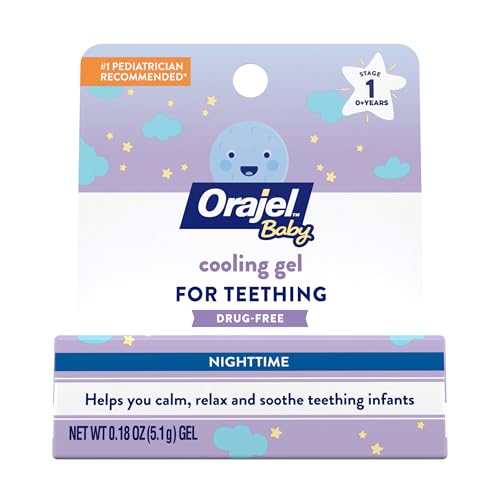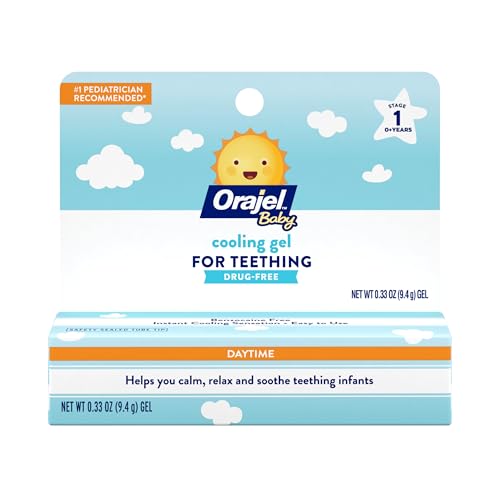
Infant Orajel: Safe Teething Pain Relief for Your Baby
A complete guide to using Infant Orajel for teething pain. Learn about proper usage, safety precautions, and effective alternatives to soothe your baby's sore gums.
Teething is a significant milestone in your baby's development, but it can also be a challenging time for both parents and infants. The emergence of those first tiny teeth often brings discomfort, irritability, and sleepless nights. Infant Orajel has long been a trusted solution for relieving teething pain, but knowing how to use it safely and effectively is crucial for your baby's well-being. This comprehensive guide provides everything you need to know about Infant Orajel, from its active ingredients to step-by-step application instructions and safer alternatives.
What is Infant Orajel?
Infant Orajel is a topical oral pain reliever specifically formulated for babies aged 4 months and older. Its primary active ingredient is benzocaine (up to 7.5% in some formulations), a local anesthetic that temporarily numbs the gums to provide fast relief from teething pain. Some variants also contain natural ingredients like aloe vera or chamomile for added soothing benefits. Unlike pain relievers taken orally, Infant Orajel is applied directly to the gums, targeting the source of discomfort quickly and effectively.
Key Ingredients and How They Work
Infant Orajel's effectiveness comes from its carefully selected ingredients:
- Benzocaine (5-7.5%): A local anesthetic that blocks nerve signals in the gums, providing temporary numbing. This is the primary pain-relieving component in most formulations.
- Aloe Vera & Chamomile: Found in some natural variants, these ingredients offer anti-inflammatory and soothing properties, helping to calm irritated gums.
- Glycerin & Flavoring: These ingredients create a pleasant taste and smooth texture, making application easier for babies.
When to Use Infant Orajel for Teething
Teething typically begins around 4 to 7 months of age, with the first teeth usually being the lower central incisors. However, every baby is different, and some may start teething earlier or later. Look for these common signs that your baby may be experiencing teething discomfort and could benefit from Infant Orajel:
- Excessive drooling – often leading to a mild rash around the mouth
- Fussiness and irritability – especially during the night
- Chewing on fingers, toys, or anything within reach
- Swollen, red, or tender gums
- Changes in eating or sleeping patterns
- Mild temperature elevation (under 101°F – consult your pediatrician if higher)
If your baby is exhibiting any of these signs, Infant Orajel can provide quick relief. However, it's important to note that the product should be used sparingly and only when your baby is genuinely uncomfortable. For more persistent symptoms, consider using it alongside other soothing methods, such as offering a chilled teething toy or gently massaging the gums with a clean finger.
How to Apply Infant Orajel Correctly
Proper application is key to ensuring your baby gets the maximum benefit from Infant Orajel while minimizing any risks. Follow these step-by-step instructions carefully:
- Wash your hands: Always start with clean hands to avoid introducing bacteria into your baby's mouth.
- Apply a small amount: Squeeze a pea-sized amount of gel onto a clean fingertip or a cotton swab. Do not use more than recommended.
- Gently massage the gel: Apply the gel directly to the affected area on your baby's gums. Use a gentle, circular motion to massage it in.
- Let it sit: Allow the gel to remain on the gums for at least 30-60 seconds to ensure the anesthetic takes effect.
- Do not swallow: Try to keep the gel in contact with the gums rather than being swallowed. The numbing effect is meant for the gums only.
- Limit use: Do not apply Infant Orajel more than 4 times a day, and always follow the dosage recommendations on the packaging.
⚠️ Important Safety Precautions
While Infant Orajel is safe when used correctly, it's essential to follow these safety guidelines to protect your baby:
- Not for babies under 4 months: Infant Orajel is not recommended for infants younger than 4 months. Always consult your pediatrician before use.
- Use only the infant formula: Never use regular Orajel or adult oral anesthetics on babies, as they contain higher concentrations of benzocaine.
- Watch for methemoglobinemia: This is a rare but serious condition where oxygen in the blood is reduced. Symptoms include bluish skin, shortness of breath, and fatigue. If you notice these signs, seek emergency medical help immediately.
- Do not overuse: Applying too much or too frequently can lead to overdosage and potential side effects. Stick to the recommended limits.
- Monitor for allergic reactions: Look for signs of an allergic reaction such as hives, swelling, or difficulty breathing. Discontinue use and contact a doctor if any occur.
Natural Alternatives to Infant Orajel
If you prefer to avoid numbing agents or want to try other methods first, there are several effective natural alternatives to soothe your baby's teething pain:
- Chilled teething rings: A cool (not frozen) teething ring can provide comfort by numbing the gums slightly through temperature. Frozen rings can be too hard and may injure delicate gums.
- Clean, cold washcloth: Wet a clean cloth with cool water, wring it out, and let your baby chew on it. The texture and coolness can be soothing.
- Cold foods (for babies on solids): Chilled pureed fruits or yogurt can be a tasty way to comfort your baby. Only offer appropriate foods that your baby has already safely tried.
- Gum massage: Gently rubbing your baby's gums with a clean finger can help reduce pain by providing counter-pressure.
- Homeopathic teething tablets: Some parents find relief with homeopathic options containing natural ingredients. Always consult your pediatrician before trying any supplement.
For many babies, a combination of these natural methods alongside occasional use of Infant Orajel can be the most effective strategy for managing teething pain. As your baby grows, don't forget to explore other teething toys and teething rings that can keep them comfortable through each new tooth eruption.
Infant Orajel vs. Other Teething Remedies
To help you make an informed decision, here's a quick comparison of Infant Orajel with other common teething pain relief options:
- Infant Orajel: Provides fast, targeted numbing relief. Best for acute teething pain, but use sparingly to avoid over-numbing.
- Teething Toys: Safe and reusable. Offer physical relief through chewing but may not be enough for severe pain.
- Cold Washcloth: Inexpensive and easily available. Provides temporary relief but may not last long.
- Homeopathic Remedies: Generally safe, but efficacy can vary. May contain unregulated ingredients, so choose well-known brands.
- Over-the-counter Pain Relievers (Acetaminophen/Ibuprofen): Effective for reducing pain and inflammation. Only use as directed by your pediatrician and for babies over 6 months for ibuprofen.
When choosing a remedy, consider the severity of your baby's symptoms, your comfort level with each option, and the advice of your pediatrician. For many parents, a multi-faceted approach—combining a topical numbing gel like Infant Orajel with a teething ring or gentle gum massage—offers the best results.
Recommended Dosage and Frequency
Always follow the dosage guidelines provided on the product label. For Infant Orajel, the general recommendations are:
- Amount: A pea-sized amount is sufficient for one application.
- Frequency: Use no more than 4 times per day (or as directed on the packaging).
- Duration: Do not use continuously for more than 7 days without consulting a healthcare provider.
It's also essential to keep in mind that every baby reacts differently to medication. If you feel your baby needs the gel more frequently than recommended, consult your pediatrician to rule out any underlying issues or to discuss alternative pain management strategies.
Frequently Asked Questions About Infant Orajel
Is Infant Orajel safe for newborns?
No, Infant Orajel is not recommended for babies under 4 months of age. Always consult your pediatrician before using any teething medication on a newborn.
Can I use Infant Orajel on my baby's gums every night?
While you can use Infant Orajel before bed to help your baby sleep, it should not be used nightly for extended periods. If your baby has persistent teething pain, consider consulting your pediatrician for a more comprehensive plan.
What should I do if my baby swallows Infant Orajel?
A small amount of swallowed gel is generally not harmful. However, if your baby swallows a large amount or shows signs of an allergic reaction (such as breathing difficulties), seek medical help immediately.
Can I use Infant Orajel along with other teething remedies?
Yes, you can combine Infant Orajel with other methods like teething toys or cool cloths. However, avoid using multiple topical pain relievers at the same time unless directed by a healthcare professional.
How long does the numbing effect of Infant Orajel last?
The numbing effect typically lasts for about 30 minutes to an hour. This is usually enough time to help your baby settle down during a particularly uncomfortable teething episode.
Pro Tips for Managing Teething Pain
- Rotate remedies: Use a combination of gels, toys, and massage to keep your baby comfortable without over-relying on any single method.
- Offer cold items: A chilled spoon or damp washcloth can be a safe, inexpensive way to soothe gums.
- Keep distractions handy: Sometimes, a change of scenery or a gentle game can help take your baby's mind off the discomfort.
- Monitor for high fever: Teething does not cause high fever (over 101°F). If your baby develops a fever, contact your pediatrician.
- Be consistent: Establishing a calming bedtime routine during teething periods can help your baby relax and sleep better.
- Don't forget oral hygiene: Once teeth appear, start cleaning them gently with a soft infant toothbrush to promote good dental health.
Final Thoughts on Infant Orajel
Infant Orajel can be a valuable tool in your teething care kit when used correctly and with caution. Its fast-acting numbing properties offer rapid relief from the discomfort of emerging teeth, allowing your baby—and you—to get a more restful night's sleep. However, always remember that moderation and safety are paramount.
By following the guidelines outlined in this article, you can confidently use Infant Orajel as part of a broader strategy to help your baby navigate the teething process comfortably. For persistent or worsening symptoms, don't hesitate to consult your pediatrician to explore alternative or additional solutions.
If you're looking for more information on other teething remedies or baby care essentials, explore our guides on teething toys, teething rings, and other baby essentials.