Severe Diaper Rash Treatment for Newborns
Discover proven strategies to treat and soothe your baby's severe diaper rash. From barrier creams to natural remedies, learn what works best for your little one's delicate skin.
Shop Recommended ProductsSevere diaper rash in newborns can be distressing for both baby and parents. Red, inflamed skin, sometimes with blisters or oozing, requires immediate and effective treatment. This comprehensive guide covers everything you need to know: from understanding the causes to choosing the right sensitive skin baby lotion and knowing when to consult a pediatrician. By the end, you'll feel confident in managing this common but challenging condition.
What Causes Severe Diaper Rash?
Severe diaper rash often results from prolonged exposure to wetness, friction, and irritants in urine and stool. Yeast infections (Candida) and bacterial infections can also trigger severe inflammation. Newborns have especially sensitive skin, making them more susceptible. Other contributing factors include diaper creams that may not provide adequate protection, infrequent diaper changes, or even certain baby wipes. Understanding the root cause is the first step toward effective treatment.
Proven Treatment Steps for Severe Diaper Rash
1. Frequent Diaper Changes
Change your newborn's diaper every 2-3 hours, or as soon as it's soiled. This minimizes contact with irritants. Use a gentle, fragrance-free wipe or simply rinse with warm water.
2. Gentle Cleansing
Avoid scrubbing. Pat the area dry with a soft cloth. Consider using a saline spray for baby to clean without friction.
3. Barrier Creams
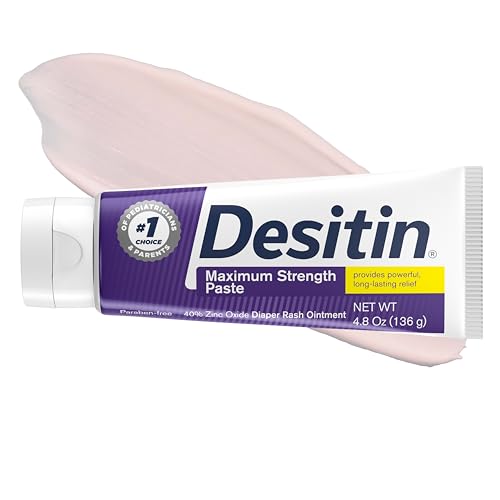
Apply a thick layer of zinc oxide or petroleum-based cream. Look for products with at least 40% zinc oxide. This creates a protective barrier against moisture.
4. Air Time
Give your baby diaper-free time to let the skin breathe and heal. Place a towel underneath and let them play without a diaper for 10-15 minutes several times a day.
Consistency is key. For stubborn rashes, your pediatrician may recommend an antifungal cream if a yeast infection is suspected. In severe cases, a mild hydrocortisone cream (1%) may be used briefly, but always under medical guidance.
When to See a Pediatrician
⚠️ Seek medical help if: The rash doesn't improve within 3-4 days of home treatment, you see open sores, blisters, or pus-filled bumps, or your baby develops a fever, becomes lethargic, or seems to be in severe pain. These could be signs of a secondary infection requiring prescription-strength medication.
For ongoing skin issues, exploring sensitive skin baby lotion and gentle skincare routines can help prevent future flare-ups. Remember, your baby's health is paramount, and professional advice is always best when in doubt.
Preventing Severe Diaper Rash
- Change diapers frequently – even at night.
- Use a barrier cream at every change, especially before bedtime.
- Choose super-absorbent diapers that wick moisture away from the skin.
- Avoid harsh soaps or wipes containing alcohol, fragrance, or other irritants.
- Ensure the diaper is not too tight – allow room for air circulation.
Building a solid routine with the right baby care products can make a world of difference. Consistency and vigilance are your best allies.
Related Guides for Newborn Care
Explore our other expert resources to support your newborn's health and comfort:
- Newborn Sleep Guide – Establish healthy sleep habits.
- Tummy Time Tips – Strengthen your baby's neck and shoulders.
- Ways to Relieve Gas in Newborns – Soothe a fussy, gassy baby.
- Teething Products – Comfort your baby during teething.
By staying informed and proactive, you can navigate newborn challenges with confidence. Your baby's well-being is our top priority.