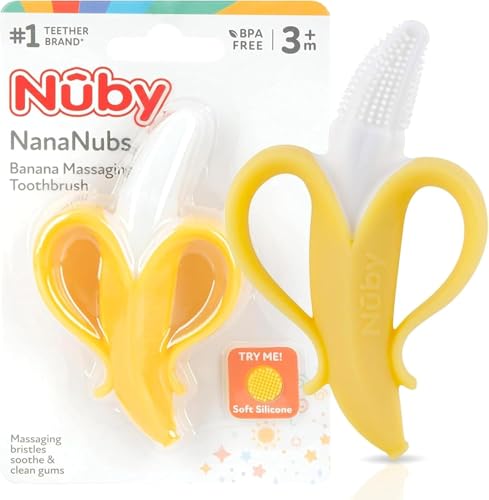
Teething Products: Complete Guide to Soothing Baby's Discomfort
From silicone teethers to natural remedies, discover the most effective teething products to help your baby through this challenging milestone.
What you'll learn: This comprehensive guide covers the best teething products available, how to identify teething signs, safety considerations, and expert tips to make your baby's teething journey more comfortable. Whether you're a first-time parent or looking for better solutions, we've got you covered.
Months Old
When teething typically begins for most babies
Baby Teeth
Total primary teeth that will erupt by age 3
Days Per Tooth
Average duration of teething discomfort per tooth
Understanding Your Baby's Teething Journey
Teething is a natural developmental milestone that typically begins around 4 to 7 months of age, though some babies may start as early as 3 months or as late as 12 months. The process involves baby teeth pushing through the gums, causing varying degrees of discomfort, irritability, and sometimes disrupted sleep patterns. Understanding what to expect can help you better support your baby through this challenging time.
Recognizing the signs of teething is crucial for timely intervention. Common symptoms include increased drooling, swollen or tender gums, fussiness and irritability, changes in sleeping or eating patterns, and a strong urge to chew on objects. Some babies may also experience mild temperature elevation (not exceeding 100.4°F), while others might show no visible signs at all. The severity of symptoms varies significantly among infants, making it essential to observe your baby's individual response patterns.
When choosing teething products, it's important to consider your baby's age, developmental stage, and specific needs. Newborns and younger infants may benefit from simple, easy-to-hold teethers, while older babies with more developed motor skills can handle more complex designs. Always prioritize safety by selecting products made from non-toxic, BPA-free materials and avoiding those with small parts that could pose choking hazards.
Types of Teething Products
🦷 Silicone Teethers
Silicone teethers are among the most popular choices due to their flexibility, durability, and ease of cleaning. Made from food-grade, BPA-free silicone, these teethers come in various shapes, textures, and colors to engage your baby's senses while providing effective gum relief.
Best for: Babies 3 months and older
$8–$20🧊 Cooling Teethers
Cooling teethers feature liquid or gel-filled interiors that can be chilled in the refrigerator (never frozen) to provide soothing cold relief for inflamed gums. The combination of pressure and cooling helps numb pain and reduce swelling effectively.
Best for: Active teething discomfort
$10–$25🌿 Natural Wooden Teethers
Made from sustainably sourced hardwoods like beech, maple, or walnut, wooden teethers offer a naturally smooth, splinter-free surface. They often come with organic finishes like beeswax or coconut oil, providing a chemical-free alternative for eco-conscious parents.
Best for: Natural materials preference
$12–$30🧤 Teething Mittens
Teething mittens combine the functionality of a teether with the convenience of a baby glove. This design allows babies to chew on their own hand safely while protecting their skin from excessive drool and offering easy access to relief.
Best for: Younger babies with limited grip
$10–$18🧸 Teething Toys & Rattles
These multifunctional toys combine teething relief with entertainment, featuring textured chewing surfaces alongside rattles, crinkle sounds, or moving parts that stimulate sensory development while providing gum relief.
Best for: Combining play and relief
$12–$25💊 Teething Gels & Creams
Topical teething gels often contain mild anesthetic agents like lidocaine or benzocaine (use with caution) or natural ingredients like clove oil or chamomile. These provide temporary numbing relief when applied directly to sore gums with a clean finger or applicator.
Best for: Localized pain relief
$6–$15🍼 Teething Necklaces & Jewelry
Made from food-grade silicone beads, teething necklaces allow parents to wear a safe chewing accessory that keeps a teether within easy reach. Perfect for nursing sessions or times when baby wants to be held.
Best for: Parents seeking convenience
$15–$35🧴 Homeopathic Drops
Natural homeopathic remedies containing ingredients like chamomilla, belladonna, or magnesium are designed to provide gentle teething relief. These drops are typically applied directly to the gums or mixed with breastmilk or water.
Best for: Natural remedy seekers
$10–$20Teething Products Comparison
| Product Type | Age Suitability | Key Benefit | Safety Note |
|---|---|---|---|
| Silicone Teethers | 3+ months | Flexible, easy to clean | ✓ BPA-free, non-toxic |
| Cooling Teethers | 4+ months | Cold therapy for inflammation | ⚠️ Refrigerate only, never freeze |
| Wooden Teethers | 4+ months | Natural, chemical-free | ✓ Check for splinter-free finish |
| Teething Mittens | 3–8 months | Easy to use, self-soothing | ✓ Soft, safe materials |
| Teething Gels | 6+ months | Targeted pain relief | ⚠️ Avoid benzocaine in infants |
| Teething Toys | 3+ months | Combines play with relief | ✓ Check for choking hazards |
Teething Safety & Care Tips
- Always supervise use: Never leave your baby unattended with any teething product to prevent choking or misuse.
- Check materials carefully: Ensure all teething products are made from BPA-free, phthalate-free, and non-toxic materials certified safe for infants.
- Follow cooling instructions: For cooling teethers, only refrigerate according to manufacturer guidelines. Never freeze teething products as extreme cold can damage gums and cause injury.
- Inspect regularly: Check teething products for signs of wear, damage, or loosening parts that could become choking hazards.
- Clean thoroughly: Clean teethers with warm soapy water before first use and after each use. Silicone and rubber teethers can often be placed in the dishwasher or sterilized.
- Avoid numbing gels: Most pediatric organizations recommend avoiding numbing gels containing benzocaine, especially for infants under 2 years old, as they can cause rare but serious side effects.
- Consider natural remedies: Chilled washcloths, frozen fruit feeders with breastmilk, or gentle gum massage with a clean finger can provide safe, natural relief.
- Consult your pediatrician: If your baby's teething symptoms include fever above 100.4°F, severe diarrhea, or persistent crying, consult your healthcare provider to rule out other conditions.
Best Teething Products at a Glance
Classic Silicone
Flexible, textured relief
$10Cooling Teether
Soothing cold therapy
$15Wooden Teether
Natural eco-friendly
$20Teething Mitten
Self-soothing design
$14Teething Gel
Targeted pain relief
$9Teething Toy
Play & relief combo
$18Teething Necklace
Wearable convenience
$22Homeopathic Drops
Natural remedy
$14Expert Recommendations for Teething Relief
Pediatricians and pediatric dentists generally recommend starting with the simplest and safest teething relief methods. Cold pressure from a chilled teether is often more effective than topical gels and carries fewer risks. For babies who are exclusively breastfed, chilled breastmilk in a breast milk feeder can be an excellent natural teething solution.
When it comes to teething product selection, experts recommend choosing products with various textures to stimulate gum massage effectively. Research shows that sensory stimulation during teething can distract from discomfort while promoting oral development. Rotating between different types of teethers can prevent your baby from becoming bored and provide multiple relief mechanisms.
For nighttime teething discomfort, experts suggest establishing a comforting bedtime routine that includes gentle gum massage before sleep. Some parents find that safe sleep products combined with teething relief help maintain healthy sleep patterns during this challenging milestone. If your baby is experiencing significant sleep disruption, consider consulting a pediatric sleep consultant for specialized guidance.
Frequently Asked Questions
When does teething typically start?
Teething generally begins around 4-7 months, but some babies start as early as 3 months or as late as 12 months. The lower central incisors are typically the first teeth to erupt.
What teething products are safest for infants?
The safest teething products are BPA-free silicone teethers, wooden teethers, and chilled (not frozen) cooling teethers. Always avoid products with small parts that could detach and pose choking hazards.
Can I use teething gel for my baby?
Most pediatricians recommend avoiding teething gels containing benzocaine, especially for infants under 2 years. Natural alternatives like chamomile-based gels or simple gum massage with a clean finger are safer options.
How long does teething discomfort last?
Each tooth typically causes 3-5 days of noticeable discomfort before erupting. However, total teething duration varies widely between babies and can last until all 20 primary teeth emerge, usually by age 3.
Should I consult a doctor for teething?
Yes, consult your pediatrician if teething symptoms are severe, include fever above 100.4°F, or if you have any concerns. They can help distinguish teething from other potential health issues and provide appropriate guidance.
Ready to Find the Perfect Teething Products for Your Baby?
Explore our selection of top-rated teethers and teething relief products recommended by parents and pediatric experts.
Shop Teething Products Now