Pulse Oximeter for Newborns: A Complete Guide for Informed Parents
Understand how newborn pulse oximeters work, what readings mean, and how to choose the right device for your baby's monitoring needs.
Why This Guide Matters: If your pediatrician has recommended home oxygen monitoring or you're researching pulse oximeters for your newborn, this guide provides the clarity you need. We cover how these devices work, what features matter, and how to interpret readings—so you can make a confident, informed decision.
What Is a Pulse Oximeter and How Does It Work?
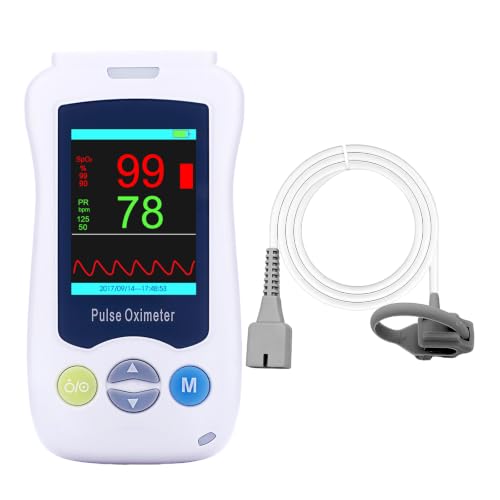
A pulse oximeter is a small, non-invasive device that measures the oxygen saturation of hemoglobin in your baby's blood (SpO2) and pulse rate. It works by shining two wavelengths of light—red and infrared—through a translucent part of the body, such as a newborn's foot or hand. The sensor detects how much light is absorbed by oxygenated versus deoxygenated blood, calculating an oxygen saturation percentage.
For newborns, these devices are especially valuable because infants cannot communicate breathing difficulties. A newborn-specific pulse oximeter uses smaller sensors and calibrated algorithms designed for the unique physiology of babies, providing reliable readings that adult devices cannot match.
Understanding pulse oximeter for newborns technology helps parents recognize when monitoring is appropriate and how to use the device correctly at home.
When Is a Pulse Oximeter Recommended for Newborns?
Not every newborn requires a pulse oximeter. Your pediatrician may recommend home monitoring in specific situations, including:
- Premature infants who may have underdeveloped lungs and need oxygen level tracking.
- Babies with respiratory conditions such as bronchopulmonary dysplasia or chronic lung disease.
- Infants recovering from illness where breathing stability is a concern.
- Newborns with congenital heart conditions that affect oxygen circulation.
- Sleep monitoring for babies with suspected breathing irregularities.
Always consult your pediatrician before starting home monitoring. A pulse oximeter is a tool to support—not replace—professional medical care. For parents preparing for a premature baby, understanding resources like preemie baby care can be helpful alongside monitoring guidance.
Understanding Oxygen Saturation Readings for Newborns
Normal oxygen saturation for a healthy newborn typically ranges from 95% to 100%. However, target ranges can vary based on your baby's health status and your pediatrician's recommendations. Here's a general guide:
- 95%–100%: Generally normal for healthy newborns.
- 90%–94%: May require attention; consult your pediatrician.
- Below 90%: Persistent readings in this range warrant immediate medical evaluation.
It's important to remember that readings can be affected by sensor placement, movement, poor circulation, or cold extremities. Always follow the manufacturer's guidelines and your pediatrician's advice for interpreting results.
Key Features to Look For in a Newborn Pulse Oximeter
Choosing the right device involves understanding which features align with your monitoring needs. Here are the most important considerations:
- Newborn-Specific Sensors: Small, flexible sensors designed for tiny feet and hands ensure accurate readings and comfort.
- Clear Display: Easy-to-read screens with large numbers help you quickly assess readings, especially during nighttime checks.
- Alarms: Audible and visual alarms alert you if oxygen levels or pulse rates fall outside preset ranges.
- Motion Tolerance: Babies move frequently; devices with motion tolerance provide more stable readings.
- Memory and Data Storage: Tracking trends over time helps you and your pediatrician identify patterns.
- Battery Life and Portability: Long battery life and compact design make monitoring convenient at home or on the go.
- Replacement Sensors: Ensure sensors are available and easy to replace as your baby grows.
Comparing Newborn Pulse Oximeter Tiers
Newborn pulse oximeters are available across different market tiers. Understanding these tiers helps you match a device to your monitoring needs and frequency of use.
Basic Monitoring
Entry-level devices with essential SpO2 and pulse rate readings. Suitable for occasional checks and basic home monitoring.
Enhanced Features
Mid-range models offering alarms, memory storage, and improved motion tolerance. Ideal for regular monitoring needs.
Professional-Grade
High-end devices with advanced sensors, comprehensive data tracking, and superior accuracy. Best for intensive or long-term monitoring.
| Feature | Essential Tier | Balanced Tier | Top-Tier |
|---|---|---|---|
| SpO2 & Pulse Rate | Basic | Accurate | High-Precision |
| Alarms | Limited | Audible & Visual | Customizable |
| Memory Storage | Minimal | Moderate | Extensive |
| Motion Tolerance | Low | Moderate | High |
| Newborn Sensors | Standard | Comfort-Focused | Advanced |
| Best For | Occasional Checks | Regular Monitoring | Intensive Care |
When selecting a tier, consider your pediatrician's recommendations, the duration of monitoring, and your baby's specific needs. A balanced tier often provides the best combination of features for typical home use, while top-tier devices suit more demanding monitoring scenarios.
How to Use a Pulse Oximeter Safely on Your Newborn
Proper usage ensures accurate readings and your baby's comfort. Follow these steps:
- Choose the right sensor: Use a newborn-specific sensor and place it on your baby's foot or hand as directed.
- Ensure good placement: The sensor should fit snugly but not too tight. Poor placement can cause inaccurate readings.
- Keep your baby still: Movement can affect readings. Try monitoring during quiet sleep or rest.
- Warm the extremity: Cold hands or feet can reduce circulation and affect accuracy. Gently warm the area if needed.
- Read and record: Note the SpO2 and pulse rate. If readings seem off, reposition the sensor and try again.
- Follow alarm settings: Set alarms according to your pediatrician's guidance and respond promptly to alerts.
Always follow the manufacturer's instructions and consult your healthcare provider if you have questions about usage or readings. For parents of premature infants, additional care guidance is available in our preemie clothes resource to support your baby's comfort during monitoring.
Ready to Choose the Right Pulse Oximeter for Your Newborn?
Explore our curated selection of newborn pulse oximeters, comparing features and tiers to find the device that matches your monitoring needs.
View Recommended OptionsFrequently Asked Questions
Is a pulse oximeter safe to use on a newborn at home?
Pulse oximeters designed for newborns are generally safe for home monitoring when used as directed by a pediatrician. They are non-invasive and clip or wrap around a tiny foot or hand. However, they should complement professional medical care, not replace it. Always consult your healthcare provider before starting home monitoring and follow the manufacturer's guidelines for sensor placement and duration.
What oxygen saturation level is normal for a newborn?
Normal oxygen saturation for a healthy newborn typically ranges between 95% and 100%. Values slightly below this range may be normal in certain situations, but persistent readings under 90% require immediate medical attention. Always confirm target ranges with your pediatrician, as some newborns have specific baselines.
Can I use an adult pulse oximeter on my newborn?
Adult pulse oximeters are not recommended for newborns. Their sensors are sized for adult fingers and may provide inaccurate readings or fit poorly on a baby's tiny foot or hand. Newborn-specific devices have smaller, more sensitive sensors and algorithms calibrated for infant physiology, ensuring reliable and safe measurements.
When should I use a pulse oximeter for my newborn?
A pulse oximeter should be used when your pediatrician recommends home monitoring, such as for premature babies, infants with known respiratory conditions, or those recovering from illness. It is also useful for tracking oxygen levels during sleep if your baby has breathing concerns. Do not use it as a substitute for professional medical evaluation.
What features should I look for in a newborn pulse oximeter?
Look for a device with newborn-specific sensors, clear and easy-to-read displays, audible and visual alarms, motion tolerance, and memory storage for tracking trends. Battery life, portability, and the availability of replacement sensors are also important. Choose a tier that matches your monitoring needs and consult your pediatrician for guidance.
Related Resources for New Parents
Explore more guides to support your parenting journey: