Natural Ways to Increase Breast Milk Supply
Science-backed nutrition, herbal support, nursing techniques, and lifestyle habits to help you produce more breast milk naturally.
Feeling anxious about your milk supply? You’re not alone. Many moms worry about producing enough milk. The good news: there are many natural, effective ways to support and increase your breast milk supply. This guide covers evidence-based strategies—from galactagogue foods to proper latching—to help you breastfeed with confidence.
1. Nutrition & Diet for Milk Production
What you eat directly affects your milk supply. A balanced diet rich in specific nutrients can naturally boost prolactin and oxytocin, the hormones responsible for milk production.
🍚 Oats & Barley
Rich in beta-glucan and iron, oats are a classic galactagogue. Start your day with a bowl of oatmeal or add oat milk to smoothies.
🌿 Fenugreek & Fennel
These herbal galactagogues are available as supplements, teas, or culinary seeds. Fenugreek is one of the most studied herbs for milk supply.
🥑 Healthy Fats
Avocados, nuts, seeds, and olive oil provide essential fatty acids that support hormone production and milk fat content.
💧 Hydration
Aim for 3–4 liters of fluids daily. Water, herbal teas, and broth help maintain blood volume and milk production.
Also consider a diet plan for breastfeeding mothers to lose weight that maintains milk supply, and explore foods to eat while breastfeeding to avoid colic for a happy baby and abundant milk.
2. Herbal Supplements & Teas
Top Herbal Galactagogues
- Fenugreek: 600–1200 mg three times daily. Many moms see results within 24–72 hours.
- Blessed Thistle: Often combined with fenugreek for synergistic effects.
- Fennel Seed: Can be consumed as tea or capsules; also helps with digestive comfort for baby.
- Milk Thistle: Supports liver function and may improve milk production indirectly.
- Goat’s Rue: Traditional herb that may increase mammary tissue and milk volume.
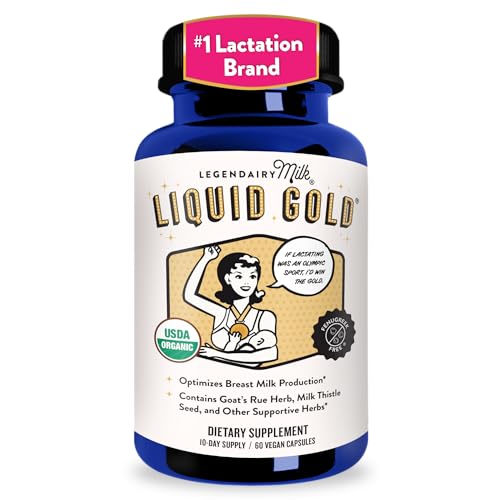
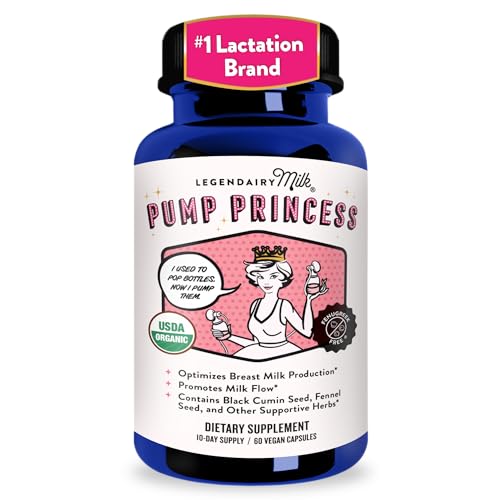
Before starting any herb, consult your healthcare provider, especially if you have thyroid issues or are taking medications. You can also find breastfeeding supplements to increase milk supply that combine these herbs in safe, effective doses.
3. Nursing Techniques & Frequency
Your baby’s suckling is the most powerful signal for your body to produce more milk. Optimize your breastfeeding sessions with these strategies:
🔄 Nurse Frequently
Aim for 8–12 feedings per day. Empty breasts signal the body to produce more. Avoid supplementing with formula unless medically necessary, as it can reduce your supply.
🤱 Proper Latch
A deep latch ensures efficient milk transfer. If you experience pain or your baby isn’t gaining weight, consult a lactation consultant. A poor latch can lead to low supply and frustration.
🔄 Switch Nursing
Let your baby feed on one side until the breast feels soft, then switch. You can also switch back and forth to stimulate more let-downs.
For moms who pump, using a rechargeable breast pump can make it easier to maintain a pumping schedule. And if you’re wondering about how to hand express breast milk, that’s another free and effective technique to boost supply.
4. Lifestyle & Stress Management
😴 Sleep & Rest
Prolactin is released during sleep. Aim for at least 7–8 hours of rest per day (naps count!). Sleep deprivation is a leading cause of low milk supply.
🧘 Manage Stress
High cortisol levels can inhibit oxytocin and milk ejection. Practice deep breathing, meditation, or gentle yoga. Even 5 minutes of mindful breathing before a feed can help.
🤝 Skin-to-Skin Contact
Hold your baby skin-to-skin regularly. It triggers oxytocin release, which not only bonds you but also promotes milk let-down and production.
If you’re concerned about milk supply after a period of exclusive pumping, read about exclusive breast pumping to maintain supply. Also, if you're returning to work, you might consider a breast pump through insurance (Blue Cross Blue Shield) to save costs.
5. Foods & Habits That May Lower Supply
- Sage, Peppermint, Parsley: Large amounts of these herbs can reduce milk supply.
- Excessive Caffeine: More than 3 cups of coffee per day may dehydrate you and affect baby’s sleep.
- Alcohol & Smoking: Both interfere with let-down and can decrease milk production.
- Low-Calorie Diets: Restrictive dieting can signal your body to conserve energy, reducing milk output.
6. When to Seek Professional Help
If you’ve tried natural methods for 2–3 weeks and still see low weight gain in your baby or feel your supply isn’t adequate, consult:
- A board-certified lactation consultant (IBCLC)
- Your OB-GYN or midwife
- A pediatrician to rule out tongue-tie or other anatomical issues
Remember, supplementing with formula is not a failure—it’s a tool to support your baby while you work on building your supply. Some moms also explore amino acid-based formula or formula for milk allergy if there are sensitivities.
7. Putting It All Together
Every mother’s body responds differently. The key is consistency and patience. Start with one or two changes—like adding oats and fenugreek tea—and gradually incorporate other techniques. Monitor your baby’s wet diapers and weight gain as the best indicators of supply.
👉 Ready to support your breastfeeding journey? Browse our best breastfeeding supplements and top-rated rechargeable breast pumps to make your lactation journey smoother.
Final Thought: Your body is designed to nourish your baby. Trust the process, give yourself grace, and remember that even small increases in milk supply can make a big difference. You’ve got this, mama!