Amino Acid Based Formula Guide
For babies with severe cow's milk protein allergy (CMPA) or multiple food allergies, amino acid based formulas are the gold standard. This complete guide helps you understand, choose, and use these life-changing formulas.
See Top Formulas →What is amino acid based formula? It is a hypoallergenic infant formula made from individual amino acids (the building blocks of proteins). Unlike standard or even extensively hydrolyzed formulas, amino acid formulas contain no intact proteins or peptides, making them virtually allergen-free. They are prescribed for infants with severe cow's milk protein allergy, eosinophilic esophagitis, or multiple food protein allergies.
When Is Amino Acid Formula Needed?
Severe CMPA Symptoms
If your baby experiences life-threatening reactions like anaphylaxis, severe eczema, bloody stools, or failure to thrive despite using extensively hydrolyzed formula, an amino acid formula is often the next step. It provides complete nutrition without triggering allergic responses.
Multiple Food Allergies
Babies allergic to soy, wheat, eggs, and other proteins may not tolerate even the most broken-down formulas. Amino acid formulas are free from all allergens, making them a safe choice for complex allergy profiles.
Benefits of Amino Acid Based Formula
- ✅ 100% allergen-free – No intact proteins to trigger allergies
- ✅ Complete nutrition – Fortified with vitamins, minerals, and DHA/ARA
- ✅ Promotes growth – Clinically proven to support normal infant development
- ✅ Palatable taste – Modern formulations are more acceptable to babies
Top Amino Acid Formulas Compared
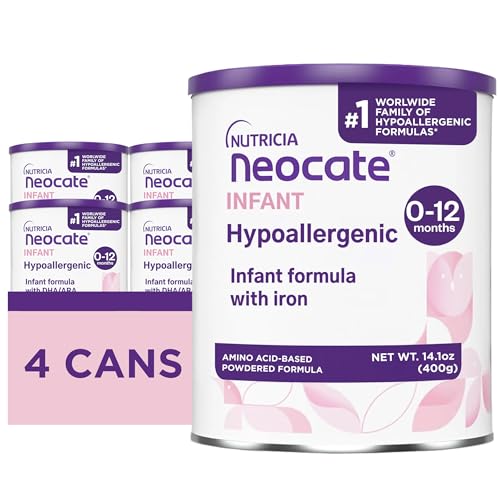
Most prescribed, well-researched
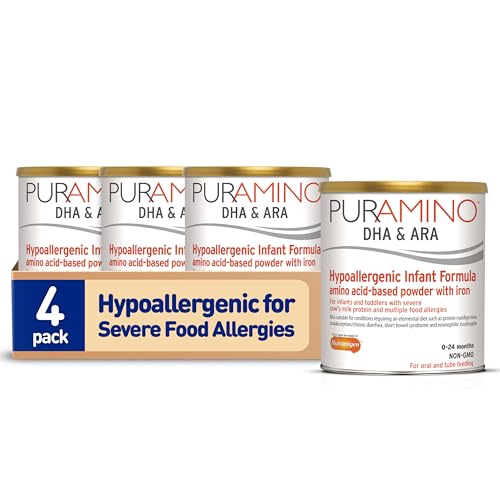
Popular, available in powder & ready-to-feed
Contains DHA/ARA, gentle on tummy
Added MCT oil for easy absorption
Prices are approximate and may vary. Most formulas cost $2–$3 per ounce prepared. Many insurance plans cover amino acid formulas with a prescription.
Transitioning to Amino Acid Formula
Switching to an amino acid formula should be done under medical supervision. Here's a general approach:
- Consult your pediatrician or allergist – They will confirm the diagnosis and prescribe the right formula.
- Transition gradually – Mix increasing amounts of the new formula with the old over 3–5 days.
- Monitor for improvement – Symptoms like eczema, reflux, and digestive distress often improve within 2–4 weeks.
- Stick with it – Do not switch back without medical advice, even if symptoms seem better.
💡 Important: Amino acid formulas are not for babies without a confirmed medical need. They are more expensive and have a distinct taste, but they are life-saving for allergic infants. Always follow your healthcare provider's guidance.
Feeding Tips & Preparation
Water Temperature
Use water at about 158°F (70°C) to dissolve the powder completely. Cool to body temperature before feeding. Always follow the manufacturer's mixing instructions.
Taste Tips
Some babies take time to adjust to the taste. Start with small volumes, and do not add sweeteners. Most babies accept it within a few days.
If your baby has been diagnosed with cow's milk allergy, you may also want to explore our comprehensive guide to formulas for milk allergy. For breastfeeding moms with allergic babies, check our diet planning tips and foods to avoid colic. Also, our baby registry essentials list includes must-have feeding items.