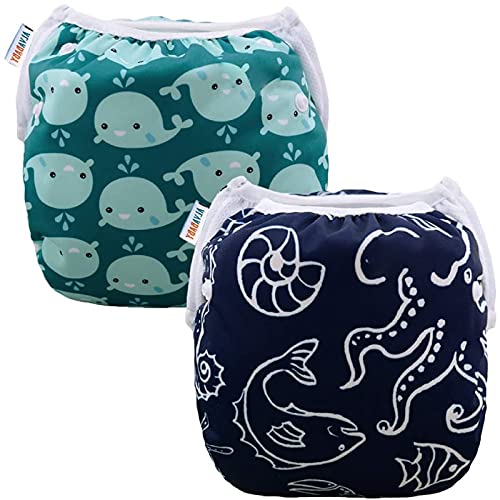
Infant Swim Trunks With Built-In Diaper: The Complete Buying Guide
Everything parents need to know about swim trunks with a built-in diaper — fit, materials, safety, and how to pick the right pair for confident water play.
Why this guide matters: If you are searching for infant swim trunks with a built-in diaper, you already know you want a simpler, more reliable solution for pool days and beach outings. This guide walks you through what these garments actually do, how they differ from regular swim diapers, what to look for in fit and fabric, and how to choose the right pair for your baby's stage. By the end, you will have a clear checklist to make a confident purchase.
What Are Infant Swim Trunks With a Built-In Diaper?
Infant swim trunks with a built-in diaper combine two items into one: a pair of swim shorts and an integrated swim diaper layer. Instead of layering a disposable or reusable swim diaper under separate trunks, the diaper is sewn directly into the shorts. This design simplifies dressing, reduces bulk, and keeps the diaper securely in place during movement in the water.
These garments are made specifically for water use. They are not designed to absorb urine like a standard diaper. Their main job is to contain solid waste so it does not end up in the pool or ocean. That is why public pools and swim schools often require a swim diaper layer for babies and toddlers.
Most designs use a snug elastic waist and leg openings with a water-resistant inner lining. Some models use a reusable outer shell with a snap or tie closure, while others use a pull-on style. The best choice depends on your baby's age, your routine, and how often you swim.
How Built-In Diaper Swim Trunks Differ From Regular Swim Diapers
A standalone swim diaper is a separate garment that must be worn under swimwear. A built-in diaper trunk eliminates that extra layer. The key differences are practical:
- Fewer layers: One piece to put on instead of two, which is faster during changes.
- Better security: The diaper layer is less likely to shift or bunch because it is anchored to the shorts.
- Less bulk: Without a separate diaper, the fit is usually sleeker and more comfortable.
- Faster changes: Pull-on and snap designs make post-swim changes quicker.
If you are also considering a full swimsuit option, you can explore infant swimsuit with built-in diaper styles for added sun coverage on the torso. Many parents keep both trunks and a one-piece swimsuit on hand for different outings.
Key Features to Look For
Snug Leg Openings
The leg elastics should sit flat against the skin without leaving deep marks. A proper seal is the most important defense against leaks.
Water-Resistant Inner Lining
The inner layer should feel smooth and slightly slick, which helps contain solids and makes rinsing easier after use.
Adjustable Waist
Drawstrings, snap tabs, or elastic waists with adjustable coverage help the trunks grow with your baby and stay put in the water.
Quick-Dry Fabric
Lightweight, quick-drying materials reduce chafing and keep your baby comfortable between swims and during travel.
Easy-Change Design
Snap sides or a pull-on style with generous stretch make diaper changes faster when you are juggling wet gear.
Sun Protection
Look for UPF-rated fabric if you plan to spend time outdoors. Coverage on the upper legs adds extra protection.
Choosing the Right Tier for Your Family
Swim trunks with built-in diapers fall into a few broad market tiers. The right choice depends on how often you swim, how long you need the garment to last, and how much convenience you want.
| Tier | Best For | Typical Features |
|---|---|---|
| Essential tier | Occasional pool visits and short trips | Basic elastic waist, simple inner lining, straightforward pull-on design |
| Mid-tier | Regular swim sessions and swim lessons | Adjustable waist, softer leg binding, quick-dry fabric, better stitching |
| High-end tier | Frequent swimmers and multi-child use | Reinforced seams, premium quick-dry fabric, snap-side changes, UPF rating |
| Top-tier | Families who want maximum durability and design detail | Heavy-duty construction, thoughtful fit engineering, premium finishes, long-term use |
An entry-level pair can work well if your baby only swims a few times per season. A mid-range or high-end tier pair tends to hold its shape better after repeated washing and is a solid choice if you have multiple children who will use the same garment.
How to Get the Right Fit
Fit is the single most important factor in whether built-in diaper trunks work as intended. Follow these steps:
- Measure the waist and thighs: Use a soft measuring tape and compare against the brand's size chart. Do not size up just to extend wear time; a loose seal defeats the purpose.
- Check the rise: The waistband should sit comfortably at the natural waist, not slide down when your baby moves.
- Test the leg seal: Have your baby do a few squats or crawl movements. The leg openings should stay in place without gaps.
- Consider the closure: Snap-side designs are easier for changes, while pull-on styles are simpler for older babies who stand during dressing.
If your baby is between sizes, choose the smaller size for a secure seal, or look for a model with an adjustable waist. For more general baby gear planning, the infant swim trunks with built-in diaper page is a good starting point for comparing options.
Care and Cleaning Tips
Built-in diaper trunks are easy to care for if you follow a simple routine:
- Rinse immediately after swimming: Cold water rinses remove chlorine, salt, and sunscreen before they set into the fabric.
- Wash after every use: Follow the care label. Most models are machine washable on a gentle cycle.
- Avoid fabric softener: Softeners can coat the inner lining and reduce its water-resistant performance.
- Air dry when possible: Line drying preserves elasticity in the waist and leg bands.
- Inspect the seal regularly: Check the leg elastics for stretching or wear, especially if the trunks are used frequently.
Safety and Pool Rules
Swim diapers are not a substitute for supervision. Always keep your baby within arm's reach in and around water. Built-in diaper trunks help contain solid waste, but they do not make a baby water-safe. Check your local pool's rules, as some facilities require a specific type of swim diaper in addition to swim trunks. When traveling, pack a spare pair in a wet bag so you are never caught without a clean option.
If you are planning beach or boat days, pair your trunks with a properly fitted flotation device. You can review infant flotation device Coast Guard approved options to understand what to look for in safety gear.
Frequently Asked Questions
Are infant swim trunks with a built-in diaper leak-proof?
They are designed to contain solid waste, not to absorb liquids. They prevent accidents in the pool but do not keep urine in, which is why they are worn only for swimming.
How should infant swim trunks with a built-in diaper fit?
The trunks should fit snugly around the waist and thighs without digging in. A proper seal at the leg openings is essential to contain solids, while the fabric should still allow comfortable movement.
Can I use them for everyday wear?
No. Built-in swim diapers are meant for water play only. For everyday use, a standard absorbent diaper is required for hygiene and comfort.
How many pairs does a baby need?
Two to three pairs are usually enough for a baby who swims regularly. Having a spare set allows one to dry while another is in use.