Infant Backpack Carrier for Hiking: The Complete Guide
Everything active parents need to know about choosing, fitting, and safely using a framed backpack carrier on the trail — from harness design to trail etiquette.
Why this guide matters: A hiking-specific infant backpack carrier is not the same as a soft front carrier. Framed carriers distribute weight across your hips and shoulders, keep your baby upright, and free your hands for balance on uneven terrain. This guide walks you through the features that actually matter so you can choose with confidence.
What Makes a Hiking Carrier Different?
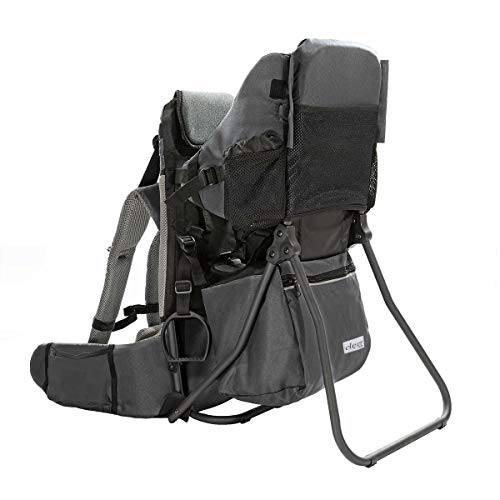
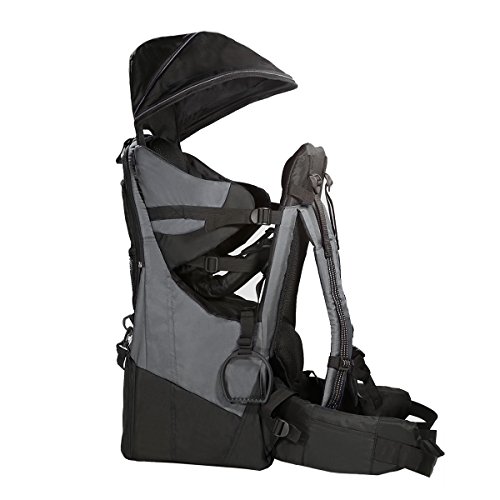
A hiking backpack carrier pairs a rigid or semi-rigid frame with a suspended child seat. That design serves three purposes: it keeps your baby in an ergonomic seated position, it transfers load away from your spine, and it provides structure that resists tipping when you bend or turn. Soft carriers, by contrast, rely on fabric tension and are better suited to short urban walks.
If you are still deciding between carrier types, it helps to understand the broader landscape of baby gear before committing. Our baby carriers guide covers the differences between wraps, soft structured carriers, and framed hiking packs in detail.
Minimum Age, Weight, and Readiness
Most framed carriers specify a minimum age of around six months, tied to independent sitting and good head and neck control. Some models offer an infant insert to support younger babies, but the upright posture of a backpack carrier is not ideal for a newborn who cannot yet hold their head steady.
Check the manufacturer's stated minimum and maximum weights, and confirm that your baby's seated height fits the carrier's back panel. A carrier that is too tall can let the baby slump; one that is too short can press on the shoulders.
Frame Types: Rigid vs. Semi-Rigid
Framed carriers fall into two broad categories. Rigid-frame models use aluminum or composite stays that hold the pack's shape and often include a fold-out kickstand for loading. They excel on longer hikes and heavier toddlers. Semi-rigid designs use lighter internal frames or high-density foam, which makes them easier to pack and store but slightly less stable on uneven ground.
If you plan to combine hiking with travel, a lighter semi-rigid model may suit you better. Parents who frequently fly may also want to look at a travel stroller for infants for airplane trips to cover terminal and city days.
Safety Features to Prioritize
- Five-point harness: Shoulder, waist, and crotch straps that keep the baby secured even if the pack tips.
- Padded leg openings: Reduce chafing on longer walks and keep legs from slipping through.
- Kickstand or stand-alone base: Lets you load and unload the baby without a second adult holding the pack.
- Reflective accents: Improve visibility on shaded trails and in early evening light.
- Sun canopy and stirrups: Protect the baby's face and support the legs so they do not dangle.
- Safety certification: Confirm the carrier meets the applicable juvenile product standard for your region.
Comfort for the Wearer
A hiking carrier is only as good as its adult fit. Look for an adjustable torso length so the hip belt sits on your iliac crest rather than your waist. Padded shoulder straps should curve around the chest without digging into the collarbone, and a load-lifter strap helps pull the pack close to your back.
Ventilation matters too. Mesh back panels and channeled padding reduce sweat on warm days. If you hike in humid climates, prioritize breathability over extra storage.
Storage and Trail Practicality
Hiking carriers typically include a small cargo area under the child seat plus side pockets. That space is usually enough for a diaper, wipes, a water bottle, and a light layer. For longer outings, plan to bring a separate daypack or use a carrier with an expandable lower compartment.
Parents who want a dedicated bag for trail supplies often pair a carrier with a diaper backpack that can be worn on the front or stowed in the car. A diaper backpack with insulated pocket is useful if you carry bottles or snacks that need to stay cool.
Carrier Tiers at a Glance
The table below uses universal tier descriptors to compare broad categories of hiking carriers. It does not reflect any specific product.
| Tier | Typical Build | Best For |
|---|---|---|
| Entry-level | Lightweight semi-rigid frame, basic harness, limited storage | Short local trails and occasional use |
| Mid-range | Aluminum frame, adjustable torso, sun canopy, kickstand | Regular weekend hikes with a growing toddler |
| Premium | Reinforced frame, ventilated back panel, stirrups, larger cargo | Frequent and longer hikes across varied terrain |
| Top-tier | Professional-grade suspension, weather-resistant coating, full feature set | Serious outdoor families and multi-hour excursions |
Fitting the Carrier Correctly
Fit the adult first, then the baby. Loosen all straps, put the pack on, and tighten the hip belt before the shoulder straps. The hip belt should carry most of the load. Adjust the load-lifter straps last so the pack sits close to your back without pulling your shoulders forward.
For the baby, tighten the harness until you can slide only two fingers under the shoulder straps. The knees should sit at or slightly above hip level, supported by the seat and stirrups. Recheck the fit after ten minutes of walking, since straps settle as you move.
Trail Safety and Etiquette
- Keep one hand free for balance, especially on descents and stream crossings.
- Avoid technical scrambles, steep off-trail sections, and loose scree.
- Check the weather forecast and dress the baby in layers; the carrier traps heat.
- Take breaks every 45–60 minutes to check the baby's position and comfort.
- Never lean over while the baby is in the carrier without bracing yourself.
- Yield to other hikers and announce your approach on narrow sections.
Maintenance and Longevity
Wipe the frame and fabric after dusty hikes, and check buckles and webbing for wear each season. Store the carrier dry and loosely folded so the frame does not deform. Most quality carriers are a long-term investment that can serve through multiple children if the harness and frame are cared for.
Frequently Asked Questions
At what age can a baby use an infant backpack carrier for hiking?
Most framed carriers are designed for babies who can sit independently with good head and neck control, typically around six months. Some models support younger infants with added head support, but always confirm the manufacturer's minimum age and weight recommendations.
What safety features should I look for in a hiking baby carrier?
Look for a five-point harness, padded leg openings, a sturdy kickstand for loading, reflective accents, and a well-engineered frame that keeps the baby seated upright. A sun canopy and stirrups add comfort and protection on the trail.
How do I choose the right size backpack carrier for hiking?
Fit both the baby and the wearer. The baby's seat should support an upright posture with knee-to-knee support. For the adult, look for adjustable torso length, padded shoulder straps, and a supportive hip belt. Try the carrier on before hiking to confirm comfort.
Can I use an infant backpack carrier on steep or technical trails?
Framed carriers are best suited to moderate, well-maintained trails. Avoid steep scrambles, technical terrain, or uneven ground where balance is compromised. Keep one hand free and maintain a stable center of gravity, especially on descents.
For a broader look at gear that supports outdoor parenting, our baby gear hub connects related guides on strollers, carriers, and travel systems. If you are planning a first hike with a newborn, you may also find our newborn essentials guide useful for building a practical kit.