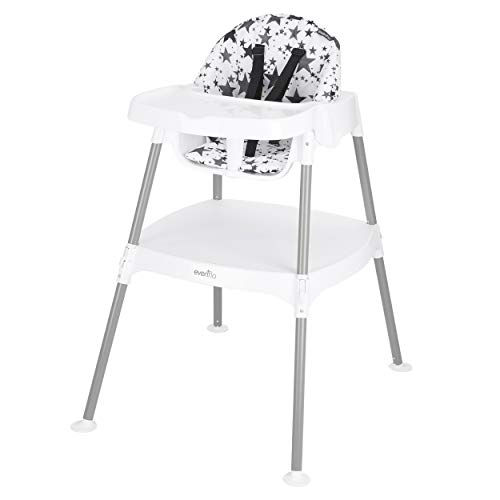
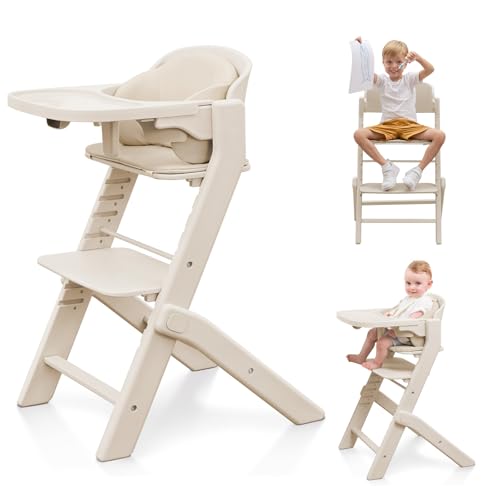
High Chair for 6 Month Old: The Complete Buying Guide
Your baby is ready to start solids — here is everything you need to know about choosing a safe, supportive, and practical high chair for this exciting milestone.
START READINGWhy Six Months Is a Milestone: Around the six-month mark, most babies can sit upright with support, show interest in food, and have lost the tongue-thrust reflex. This is the ideal window to introduce a high chair. The right chair supports good posture, encourages self-feeding, and keeps mealtime safe and enjoyable for the whole family.
Why a High Chair Matters at Six Months
A high chair does far more than lift your baby to table height. At six months, your baby's core muscles are still developing, and a well-designed high chair provides the back support, footrest, and side containment needed for safe swallowing and comfortable digestion. Sitting upright also reduces the risk of choking and helps your baby engage with food and the family table.
Beyond safety, a good high chair fosters independence. When your baby is properly supported, they can focus on exploring textures, practicing the pincer grasp, and learning to bring food to their mouth. For tips on what to feed during these early weeks, you might find our guide on iron-fortified infant rice cereal helpful, as it covers first foods and consistency recommendations.
Safety is the foundation of any high chair purchase. Look for a five-point harness, a wide and stable base, and a crotch post or restraint that prevents sliding down. These features become especially important as your baby gains mobility and curiosity. If you are also preparing your home for a mobile baby, our article on dog gates can help you create safe boundaries throughout the house.
Key Features to Look for in a High Chair for a 6 Month Old
Not all high chairs are created equal. For a six-month-old, certain features make a meaningful difference in safety, comfort, and long-term usability. Below is a breakdown of the most important considerations.
Safety and Support
- Five-point harness: A five-point harness secures the shoulders, hips, and crotch, preventing your baby from standing up or sliding down. This is non-negotiable at six months.
- Wide, stable base: A broad footprint reduces tipping risk, especially when your baby pushes against the tray or rocks side to side.
- Crotch post: This fixed or adjustable post between the legs prevents your baby from slipping forward under the tray.
- Footrest: A supportive footrest gives your baby a stable anchor point, improving posture and reducing dangling-leg discomfort during longer meals.
Adjustability and Growth
- Seat height and recline: Adjustable height lets the chair align with your dining table, while a slight recline can comfort a tired baby. At six months, prioritize a mostly upright seat.
- Convertibility: Some high chairs transform into booster seats or toddler chairs. If you want a long-term investment, explore a high chair that converts to a table and chair for extended usability.
- Removable tray: A tray that adjusts in depth accommodates growing babies. Dishwasher-safe tray inserts simplify cleanup.
Cleanability and Materials
Mealtime with a six-month-old is messy. Look for wipeable seat covers, smooth surfaces without crevices, and trays that are easy to remove and wash. Wooden high chairs offer a timeless look and solid build, but often need a dedicated cover for easier cleaning — our guide on high chair covers for wooden high chairs explains the options. Alternatively, plastic or metal frames with sealed seams are simpler to maintain for everyday use.
Types of High Chairs Compared
High chairs come in several configurations, each with distinct advantages. Use the comparison below to identify which type aligns with your lifestyle and feeding goals. Descriptors reflect market positioning rather than specific figures.
| Type | Tier | Best For | Key Considerations |
|---|---|---|---|
| Standard High Chair | Essential tier | Everyday feeding at the family table | Sturdy, simple design; often has adjustable height and a removable tray |
| Convertible High Chair | Mid-tier | Families wanting long-term use through toddler years | Transforms into a booster or toddler chair; higher upfront positioning but extended utility |
| Space-Saving / Clip-On | Mid-range | Small homes or dining at the table directly | Attaches to the table edge; portable; requires a compatible table |
| Wooden High Chair | Premium tier | Design-conscious families seeking durability | Classic aesthetic; solid build; often needs an aftermarket cover for easy cleaning |
| Booster Seat | Entry-level | Travel or secondary seating | Compact and portable; attaches to dining chairs; best as a supplement, not primary |
If you are shopping for a slightly younger baby or planning ahead, our guide on the high chair for 4 month old covers earlier readiness signs and supportive seating. For most families, a convertible or standard high chair in the mid-tier range offers the best balance of safety, features, and long-term usefulness.
High Chair Safety Checklist for Six-Month-Olds
Before placing your baby in any high chair, run through this safety checklist. These steps reduce the risk of falls, tipping, and choking.
- Always use the harness: Secure the five-point harness every time, even for short meals.
- Check the stability: Ensure the chair is on a level surface and the base is fully locked. Never place a high chair near a counter edge or wall where your baby could push off.
- Position the tray correctly: The tray should sit at waist height, not chest height, so your baby can rest their arms comfortably.
- Keep the chair away from hazards: Avoid placing the high chair near hot surfaces, sharp corners, or dangling cords.
- Supervise at all times: Never leave your baby unattended in a high chair.
- Check recalls: Regularly verify that your high chair model has not been recalled by the manufacturer or a safety authority.
For broader nursery and home safety, our article on things you actually need for a newborn offers a practical checklist that complements your high chair preparation.
Starting Solids: How the High Chair Fits In
The high chair is the stage for one of your baby's most important developmental leaps: learning to eat. At six months, your baby is transitioning from milk to complementary foods. A supportive high chair helps them focus on the sensory experience of food — texture, color, and taste — without the distraction of discomfort.
Begin with smooth, iron-rich foods and gradually introduce thicker textures. If you are exploring formula options alongside solids, our guide on formula for sensitive stomach may be useful for babies with digestive sensitivities. And when your baby is ready to transition from bottle to cup, the article on transition from bottle to straw cup for milk provides a step-by-step approach that pairs well with high chair mealtime routines.
Remember that mealtime should be relaxed and unhurried. A comfortable high chair with good foot and back support allows your baby to explore food at their own pace, building confidence and skills that last a lifetime.
Getting the Most From Your High Chair
A high chair is a multi-year investment. To maximize its lifespan, choose a model with adjustable features that grow with your child. A convertible high chair can serve as a booster seat for a toddler and even a standalone chair for a preschooler. If you are planning for a second child, a durable high chair with a solid build and replaceable parts can easily transition between siblings.
Consider how the chair fits your daily routine. If you travel frequently or visit grandparents often, a lightweight booster or clip-on seat provides a portable secondary option. For the primary chair at home, prioritize stability and adjustability over portability. The combination of a supportive primary high chair and a compact travel seat covers all feeding scenarios.
For families preparing a nursery and feeding area simultaneously, our guide on the nursery rocking chair offers ideas for creating a cohesive, comfortable space that supports both feeding and rest.
Common High Chair Mistakes to Avoid
Even well-intentioned parents can overlook key details when selecting and using a high chair. Here are the most common pitfalls and how to sidestep them.
- Starting too early: Wait until your baby can sit with minimal support and has good head control. Six months is a general guideline, but readiness signs matter more than the calendar.
- Skipping the footrest: A dangling foot position strains the core and makes sitting uncomfortable. Choose a chair with an adjustable or fixed footrest.
- Ignoring the harness: The harness is not optional. Use it on every occasion, even for a quick snack.
- Choosing style over safety: A beautiful wooden chair is not automatically safe. Verify stability, harness quality, and tray security before making a decision.
- Forgetting to clean hidden areas: Food traps in crevices can become moldy. Look for chairs with removable, washable components.
Frequently Asked Questions
What should I look for in a high chair for a 6 month old?
Prioritize a five-point harness, a wide and stable base, a crotch post, an adjustable footrest, and a removable, dishwasher-safe tray. Easy-to-clean materials are a bonus, given how messy early meals can be.
Can a 6 month old sit in a high chair?
Yes, most babies are ready around six months when they can sit with minimal support and have steady head and neck control. Always use the harness and ensure the chair provides adequate back and side support.
How long does a high chair last?
A standard high chair typically lasts from six months to about three years. Convertible models that transform into booster or toddler chairs can extend usability well beyond that, making them a solid long-term investment.
Is a reclining high chair necessary for a 6 month old?
A recline is helpful but not essential at six months. Babies starting solids benefit from an upright, ergonomic position for safe swallowing. A slight recline can add comfort for tired babies, but prioritize upright support.
Final Thoughts
Choosing a high chair for your six-month-old is a decision that blends safety, practicality, and developmental support. Focus on the essentials — a secure harness, a stable base, proper foot and back support, and easy cleanup — and you will create a mealtime environment where your baby can thrive. Whether you choose an essential-tier standard chair or a premium convertible model, the goal is the same: a safe, comfortable space for your baby to explore the world of food.
Take your time, read reviews, and consider your family's routines. The right high chair will serve you through countless meals, snacks, and messy experiments, supporting your baby's growth from first bites to family dinners.