Great Learning Toys for 1 Year Olds
Everything you need to know about choosing safe, engaging, and developmentally appropriate toys that help your toddler learn through play. A complete research-backed guide for confident buying decisions.
Explore Top PicksWhy this guide matters: Your child's first birthday marks an incredible developmental leap. At twelve months, toddlers are transitioning from sensory exploration to active problem-solving, and the right toys can support this journey. This guide breaks down exactly what to look for, which toy categories deliver the most developmental value, and how to build a thoughtful toy collection without excess.
Understanding Your 1-Year-Old's Development
By the time your baby reaches their first birthday, they have likely mastered sitting, may be pulling to stand, and could even be taking those first wobbly steps. Their brain is developing at an extraordinary pace, forming neural connections through every interaction. The toys you introduce now should align with these emerging abilities and gently challenge them to reach the next milestone.
The key developmental areas to support at this age include:
- Fine motor skills: Grasping, pincer grip, stacking, and transferring objects between hands.
- Gross motor skills: Pulling up, cruising, pushing, and eventually walking.
- Cognitive development: Cause-and-effect understanding, object permanence, and simple problem-solving.
- Language and communication: Babbling, imitating sounds, and responding to simple directions.
- Social-emotional growth: Parallel play, imitation of adults, and self-regulation.
Great learning toys for 1 year olds are those that tap into multiple areas simultaneously. A simple stacking cup set, for example, supports fine motor grasping, cognitive understanding of size order, and the social joy of shared play with a caregiver. This multifunctionality is what separates a valuable toy from one that quickly loses its appeal.
What Makes a Toy Developmentally Appropriate for a 1-Year-Old
Not all toys marketed for toddlers are equally valuable. The most effective learning toys share several characteristics that make them safe, engaging, and genuinely educational. When evaluating any option, keep these criteria in mind:
Cause-and-effect clarity. At this age, children are fascinated by discovering that their actions produce results. Push a button and hear a sound, stack a block and watch it tumble, press a lever and see a character pop up. Toys that deliver immediate, predictable feedback help toddlers understand their influence on the world.
Age-appropriate safety standards. Always look for toys labeled for twelve months and older. Avoid small parts that could pose a choking hazard, sharp edges, long cords, and loose batteries. Non-toxic paints and finishes are essential, since many one-year-olds still explore objects by mouthing them. If you are also shopping for younger siblings, our guide on high-contrast toys for infants covers suitable options for babies under twelve months.
Open-ended play potential. The best toys are versatile. A set of soft blocks can become a tower, a pretend phone, or a sorting game. Open-ended toys grow with your child and encourage creativity rather than limiting play to a single prescribed outcome. This is why classic wooden toys often outlast electronic alternatives.
Simplicity over stimulation. While flashing lights and loud sounds can momentarily grab attention, they tend to be passive experiences. Toys that require the child to do something—push, pull, turn, stack, or sort—promote active engagement and deeper learning. A modest set of simple, well-made toys consistently outperforms a large collection of battery-heavy novelties.
Expert note: Pediatric researchers consistently find that fewer, higher-quality toys lead to more focused and creative play. Rotating a small selection of toys every one to two weeks keeps engagement high and prevents overwhelm. A collection of eight to twelve excellent toys is more than sufficient.
Toy Categories That Deliver the Most Learning Value
1. Stacking and Building Toys
Stacking cups, nesting blocks, and soft building bricks are foundational developmental tools. They teach size relationships, spatial awareness, and cause-and-effect while strengthening the pincer grasp and hand-eye coordination. Look for sets with smooth, rounded edges and lightweight materials that are safe to topple and rebuild. Wooden versions offer satisfying weight and durability, while silicone or soft plastic versions are gentler for teething toddlers.
2. Shape Sorters and Puzzle Toys
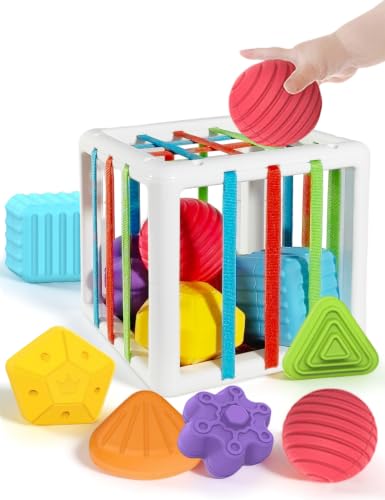
Simple shape sorters with two or three basic shapes are ideal for this age. They introduce problem-solving and matching, and they help children develop the wrist rotation needed for more complex tasks later. Choose oversized, chunky shapes that are easy to grasp and impossible to swallow. Avoid complex multi-shape sorters that may frustrate a young toddler—start simple and graduate to more challenging versions as skills grow.
3. Push-and-Pull Toys
As your toddler gains confidence in standing and walking, push toys (like a sturdy walker wagon) and pull toys (like a wooden duck on a string) provide essential gross motor practice. They also teach spatial relationships and cause-and-effect—push forward, the toy moves forward. Choose weighted, stable push toys with adjustable friction to prevent runaway speed, and pull toys with short, safe cords.
4. Sensory and Texture Toys
Toddlers learn through their senses. Soft fabric balls, textured blocks, crinkle toys, and simple water or sand play sets stimulate tactile discovery. These toys also support language development as caregivers describe the textures: rough, smooth, bumpy, soft. Keep in mind that any sensory toy small enough to fit entirely in a child's mouth is a hazard—opt for oversized sensory items.
5. Musical Toys and Instruments
Simple musical instruments—xylophones, shakers, drums, and tambourines—are invaluable. They teach rhythm, cause-and-effect, and sound differentiation while encouraging movement and imitation. Choose instruments with a pleasing, not harsh, tone and sturdy construction that survives enthusiastic play. Music also supports language development and is a wonderful bonding tool for caregiver and child.
6. Pretend Play Basics
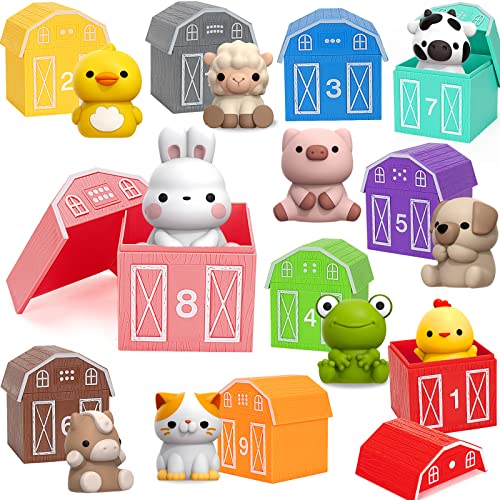
At twelve to eighteen months, pretend play is in its earliest stages. Simple props—a soft doll, a toy telephone, a set of play keys—provide the foundation for imaginative play that will expand dramatically in the coming months. Look for realistic but simple objects with no small accessories.
How Toys Fit Into Different Quality Tiers
To help you navigate the market without focusing on specific figures, we have categorized learning toys into three quality tiers based on construction, materials, and longevity. These descriptors reflect relative market positioning and help you match your selection to your priorities.
Everyday Essentials
These toys use basic but safe materials and meet standard safety certifications. They are a solid choice for budget-conscious families and for testing which toy types your child gravitates toward. Expect straightforward construction that performs well within its class.
Balanced Performance
A step up in material quality and design refinement. Mid-range toys often feature premium finishes, more durable construction, and thoughtful developmental design. They represent good value for their tier and are built to withstand daily use across siblings.
Long-Term Investment
Premium toys are crafted from high-grade materials such as solid wood, organic fabrics, and non-toxic water-based finishes. They are designed to be heirloom-quality, often with timeless aesthetics that suit any nursery. These are worthwhile investments for families who value durability and classic design.
The table below compares the typical characteristics of these tiers across key buying criteria. Use it to align your selection with your family's needs and your child's play style.
| Feature | Entry-Level | Mid-Range | Premium |
|---|---|---|---|
| Material quality | Standard, safe plastic | Higher-grade plastic, wood blends | Solid wood, organic fabrics, premium finishes |
| Durability | Good for everyday play | Durable construction for repeated use | Heirloom-quality, built to last for years |
| Design focus | Basic functionality | Thoughtful, tested developmental design | Exquisite craftsmanship, timeless aesthetics |
| Best for | Starter collections, gift-giving | Daily play across siblings | Families seeking long-term value and aesthetics |
| Reusability | Good for the first year | Likely to survive multiple children | Can be handed down or kept as keepsakes |
Safety Considerations When Buying Toys for 1-Year-Olds
Safety should always come first, especially for children who explore the world through their mouths. Use this checklist before making a purchase:
- Age labeling: Always choose toys marked for twelve months and up. Toys for children under three must not contain small parts that fit inside a choke-test cylinder.
- Material safety: Look for non-toxic, BPA-free, phthalate-free, and lead-free certifications. Wooden toys should use water-based, non-toxic paints.
- Construction quality: Check for smooth edges, secure joints, and sturdy assembly. Avoid toys with loose parts, exposed screws, or flimsy hinges.
- Battery safety: If a toy uses batteries, the compartment must be secured with a screw. Never leave a child unsupervised with a battery-operated toy that has a loose compartment.
- Cords and strings: Avoid toys with long strings, ribbons, or cords that could pose a strangulation risk. Pull toys should have short, sturdy cords.
- Regular inspection: Check toys frequently for wear, loose parts, or damage, and retire anything that shows signs of breakage.
Building a Balanced Toy Collection
Rather than overwhelming your toddler with a mountain of options, focus on a small, curated selection that covers each developmental area. A strong core collection might include:
- One stacking or nesting toy set
- One simple shape sorter
- One push or pull toy for movement practice
- One sensory or texture-focused toy
- One musical instrument or sound toy
- One soft doll or pretend-play prop
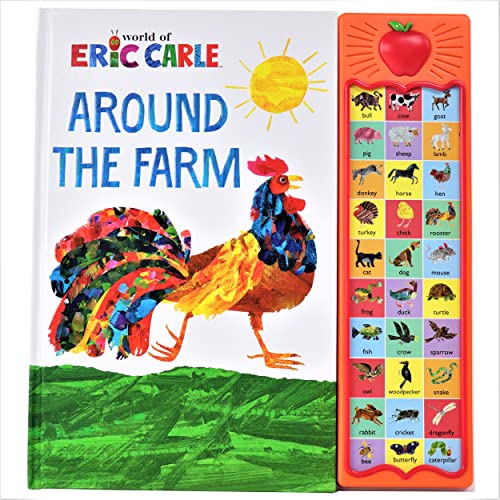
- A small selection of board books for language exposure
This set provides balanced stimulation without excess. Rotate toys every week or two, keeping some in storage and bringing them out fresh. Rotation keeps playtime exciting and helps your toddler focus deeply on a few toys rather than flitting between many. It also makes it easier to identify which types of toys your child loves most, guiding future gift-giving—an especially useful strategy when family members ask for suggestions for a first birthday gift for a girlfriend's child or a granddaughter's first birthday.
How to Choose Toys That Will Actually Get Played With
One of the most common frustrations for parents is investing in a toy that sits unused after a single afternoon. To maximize the chances that a toy becomes a favorite, consider your child's personality and current interests. A toddler who loves to move will gravitate toward push toys and balls; a more observant child may prefer stacking and sorting challenges. Observe what your child does during free play to identify their natural inclinations.
Another key factor is adult engagement. Toys that invite caregiver participation—such as a shape sorter you help with, a book you read together, or a musical instrument you play as a duet—tend to hold attention longer. You are your child's favorite toy, and any object that facilitates shared play is a winner. Research on toddler development consistently shows that social interaction amplifies the learning value of any toy.
Finally, avoid the temptation to buy too many toys at once. A single well-chosen toy that your child plays with daily offers more developmental benefit than a dozen that rotate through the toy bin. If you are also thinking ahead to holiday or birthday gifting, explore our broader guide to great toys for 1 year olds for additional ideas that complement this learning-focused selection.
Frequently Asked Questions
What types of toys are best for a 1-year-old's development?
At age one, children benefit most from toys that encourage cause-and-effect learning, fine and gross motor skills, and early problem-solving. Stacking blocks, shape sorters, push-and-pull toys, sensory balls, and simple musical instruments are all excellent choices. Look for toys that are safe to mouth, easy to grasp, and offer open-ended play.
How many toys does a 1-year-old really need?
Quality matters far more than quantity. A rotation of 8-12 well-chosen toys that target different developmental areas is more than enough. Too many toys at once can overwhelm a toddler and reduce focused play. Rotating toys every few weeks keeps engagement high and helps you identify which toys your child truly loves.
Are electronic learning toys good for 1-year-olds?
Electronic toys can be engaging, but they should not dominate a toddler's toy collection. Choose battery-operated toys that encourage interaction rather than passive watching, and always balance them with open-ended, hands-on toys. Pediatric experts generally recommend limiting screen-based and highly stimulating electronic toys in favor of toys that promote active exploration.
What safety features should I check in toys for 1-year-olds?
Look for toys labeled for ages 12 months and up, with no small detachable parts that could pose a choking hazard. Check for smooth edges, non-toxic paints and finishes, sturdy construction, and a size large enough to prevent swallowing. Avoid toys with long strings or cords, and ensure battery compartments are securely screwed shut.