
Great Toys for 1 Year Olds: The Complete Buying Guide
Your one-year-old is on the move, exploring the world with boundless curiosity. The right toys don't just entertain—they build motor skills, spark language, and encourage problem-solving. Here's everything you need to choose wisely.
START EXPLORINGWhy this guide matters: At twelve months, children transition from infancy to toddlerhood. Their play needs shift dramatically—they now need toys that support walking, stacking, sorting, and imaginative play. This guide breaks down exactly what to look for, which features matter, and how to build a toy collection that grows with your child. Every recommendation is based on developmental science and real-world parent feedback.
What Makes a Toy "Great" at This Age?
A one-year-old is developmentally different from a six-month-old in almost every way. They are likely pulling to stand, cruising along furniture, and perhaps taking those first independent steps. Their pincer grasp is refining, they understand simple cause-and-effect, and they're beginning to imitate adult actions. The best toys for this stage share several characteristics:
- Open-ended play value: A toy that can be used in multiple ways—stacked, sorted, carried, banged together—keeps a toddler engaged far longer than a single-purpose gadget.
- Motor skill support: Push toys, pull toys, and ride-ons encourage walking and balance. Stacking cups and shape sorters refine hand-eye coordination and grip strength.
- Cognitive challenge without frustration: The ideal toy is just beyond current mastery—simple enough to succeed, complex enough to stay interesting.
- Safety-first construction: No small parts that detach, no sharp edges, non-toxic finishes, and sturdy construction that survives drops and throws.
- Sensory richness: Different textures, sounds, and colors stimulate neural pathways without overwhelming.
For a deeper dive into how toys support early learning, explore our guide to great learning toys for 1 year olds, which complements this buying guide with a focus on educational outcomes.
Top Toy Categories for One-Year-Olds
Rather than recommending a single "best" toy, it's more useful to think in categories. Each category serves a distinct developmental purpose, and a balanced collection typically includes items from several groups.
Push & Pull Toys
Support walking and balance. Look for weighted bases for stability and smooth-rolling wheels. Mid-range options often include adjustable handle heights.
Stacking & Nesting
Build spatial awareness and fine motor control. Premium sets use rounded edges and varied textures for sensory input.
Shape Sorters
Teach problem-solving and shape recognition. Entry-level models have simple two-shape designs; top-tier versions add puzzles and sound feedback.
Ride-Ons
Build leg strength and coordination. Look for wide wheels and a low seat height so your toddler can mount and dismount independently.
Board Books
Language development and bonding. Thick pages, high-contrast images, and simple repetitive text work best at this age.
Musical Instruments
Rhythm and auditory processing. High-end options feature tuned notes and child-safe materials; entry-level versions focus on durability.
How to Evaluate a Toy Before You Buy
Walk through this checklist before making any purchase. It applies whether you're shopping online, in a store, or adding items to a group gifting list for a first birthday.
- Check the age grading. "12M+" or "1+" on the packaging reflects safety testing, not just marketing. Anything marked for ages 3+ is a red flag because it may contain small parts.
- Inspect for detachable parts. If a piece can be pulled off with moderate force, it's a choking hazard. Look for reinforced joints and molded-in features.
- Test the weight and balance. A push toy that tips easily frustrates a new walker. A ride-on that slides on hardwood can cause falls.
- Consider sound levels. Some electronic toys produce sounds loud enough to concern hearing specialists. Look for volume control or mechanical (non-electronic) sound alternatives.
- Think about storage. Large toys that don't collapse or stack can overwhelm a small nursery or living room. Nesting designs and foldable frames are worth prioritizing.
- Read recent reviews. Pay attention to comments about durability over months of use, not just first impressions.
Tier-Based Comparison: What You Get at Each Level
The toy market spans a wide spectrum. Understanding what distinguishes each tier helps you make a choice that aligns with your priorities—whether that's simplicity, longevity, or advanced features. Note that tier placement reflects market positioning relative to the category, not absolute quality.
| Tier | Best For | Typical Characteristics |
|---|---|---|
| Entry-Level | Testing a new category; short-term use | Simple mechanisms, basic materials, fewer features. A solid starting point if you're unsure whether your child will engage with the toy type. |
| Mid-Range | Everyday play; most families | Smoother mechanisms, more durable construction, thoughtful design details like adjustable handles or textured surfaces. Represents good value for its tier. |
| Premium | Long-term use; heirloom potential | High-grade materials, refined finishes, sometimes modular or expandable designs. Often feature-rich for the class and built to withstand years of play. |
| Luxury | Statement pieces; gifting | Exceptional craftsmanship, designer aesthetics, and often limited production. A worthwhile investment if the toy doubles as nursery decor or a keepsake. |
For most families building a first toy collection, a mix of entry-level and mid-range items covers the developmental bases without overcommitting to any single product. Premium and luxury tiers make sense for items you expect to pass down or that serve multiple children.
Safety Considerations Every Parent Should Know
Toy safety is not a one-time check—it's an ongoing practice. Here are the non-negotiables:
- Avoid small parts. Use a small-parts tester (or a toilet-paper tube as a rough proxy) to check whether any component could pass through a child's airway. At twelve months, mouthing is still a primary way of exploring.
- Beware of button batteries. These are extremely dangerous if swallowed. Choose toys with secured battery compartments that require a screwdriver to open.
- Check for magnets. High-powered magnets that detach can cause serious internal injury if swallowed. Avoid toys with exposed magnetic components at this age.
- Inspect regularly. Loose screws, fraying fabric, peeling paint, and cracked plastic all warrant immediate removal of the toy from rotation.
- Supervise water play. Even a shallow water table requires constant attention. Drowning can occur in as little as an inch of water.
For safe gifting around birthdays and holidays, pair this guide with our good birthday gifts for one year olds resource, which applies these same safety filters to gift selection.
Building a Balanced Toy Collection
A common mistake is over-buying in one category—usually electronic toys with lights and sounds—while neglecting simpler, open-ended materials. A well-rounded collection includes:
- 2–3 active toys (push toy, ride-on, or ball)
- 2–3 construction toys (stacking cups, blocks, shape sorter)
- 3–5 board books rotated regularly
- 1–2 pretend play items (toy phone, play food, doll)
- 1–2 sensory items (textured balls, musical shaker, water mat)
Rotate toys every few weeks rather than keeping everything accessible at once. This reduces overwhelm and makes familiar toys feel new again. If you're planning a first birthday celebration, our goodie bag ideas for 1st birthday party guide offers small, safe take-home items that align with these principles.
When to Introduce New Toy Types
Every child develops at their own pace, but general windows are useful for planning:
- 12–15 months: Focus on push/pull toys, simple stacking, board books, and cause-and-effect toys (pop-up buttons, flip books).
- 15–18 months: Introduce basic shape sorters, larger building blocks, and simple pretend play props. Walking is usually more confident by now, so ride-ons become more useful.
- 18–24 months: Add puzzles with knobs, art supplies (large crayons), and more elaborate pretend play sets. Attention spans lengthen, so toys with multi-step processes become viable.
Don't rush the timeline. A toy that's too advanced collects dust and can even be frustrating. Observe your child's play patterns—if they're consistently reaching for a particular type of toy, that's your cue to expand in that direction.
Ready to Explore Top-Rated Options?
Browse our curated selection of developmental toys for one-year-olds, each vetted for safety and play value.
VIEW RECOMMENDATIONSFrequently Asked Questions
How many toys does a one-year-old actually need?
Fewer than most people think. Research suggests that a small, rotating collection of 8–12 toys is more beneficial than a large pile. Too many options can overwhelm and reduce focused play. Quality and variety matter more than quantity.
Are electronic toys bad for toddlers?
Not inherently, but they should be a minority of the collection. Toys that do all the playing for the child (flashing lights, pre-programmed songs) offer less cognitive benefit than open-ended toys. Choose electronic toys with clear developmental purposes—such as a toy that teaches cause-and-effect—and limit passive screen-like toys.
What are the most important safety features to check?
Age grading, small-parts testing, secure battery compartments, non-toxic finishes, and sturdy construction. Avoid toys with loose magnets, button batteries, or detachable pieces smaller than a ping-pong ball. Inspect regularly for wear.
Should I buy toys that are "ahead" of my child's age?
Generally no. Toys designed for older children often contain small parts or require coordination your child hasn't developed yet. The frustration of an unusable toy can dampen enthusiasm for play. Stick to age-appropriate items and let your child's interest guide you.
How do I clean and maintain toys?
Plastic toys can be washed with mild soap and water. Fabric toys should be checked for machine-washability. Wooden toys should be wiped with a damp cloth—avoid soaking. Check batteries regularly and remove them from toys that won't be used for extended periods.
What about toys that claim to boost intelligence?
Be skeptical of dramatic claims. The research supports toys that encourage active engagement, problem-solving, and interaction with caregivers—not specific "brain-building" gadgets. Simple, open-ended toys consistently outperform complex electronic claims.
Are second-hand toys safe?
They can be, with caution. Check for recalls on the manufacturer's website, inspect for missing parts or damage, and avoid any toy with unsecured batteries or magnets. Avoid painted wooden toys of unknown origin. If in doubt, skip it.
Recommended Toys for 1 Year Olds
⚠️ AFFILIATE DISCLOSURE: This website contains affiliate links. As an Amazon Associate, we earn from qualifying purchases. If you make a purchase through these links, we may receive a small commission at no additional cost to you. Read our full affiliate policy.

hahaland Montessori Toys for 1 Year Old Boy Girl Birthday Gift-Fishing Game | 10 in 1 Cloth Fishing Toys Toddler Toys with Stacking Cups-Number Counting, Color Sorting Learning Gifts Christmas Birthday
Check price on Amazon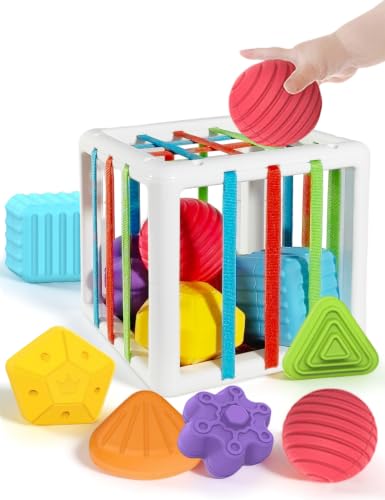
Montessori Toys for 1 Year Old - 6 Pc Shape Sorter Activity Cube | Toddler Learning Toy, Developmental Skills, 12 Months & Up, 1st Birthday Gift for Toddlers 1-3
Check price on Amazon
iPlay, iLearn Baby Press to Go Car Toys for Toddlers 1-3, 1 Yr Old Boy Gift | Infant Play Vehicle Set, Push Go Friction Car, Montessori Toy for 6-9-12-18 Months, 1st Birthday Gifts for 1-2 Years Old Girl
Check price on Amazon
iPlay, iLearn Toddler Musical Workbench Toy, 1 Year Boy Gift, Baby Tool Set | Infant Shape Sorter Activity, Kid Pounding Game, Toddler Learning Toy, 1st Birthday Gift 12 18 24 Month Girl Age One 1 2 3 Yr
Check price on Amazon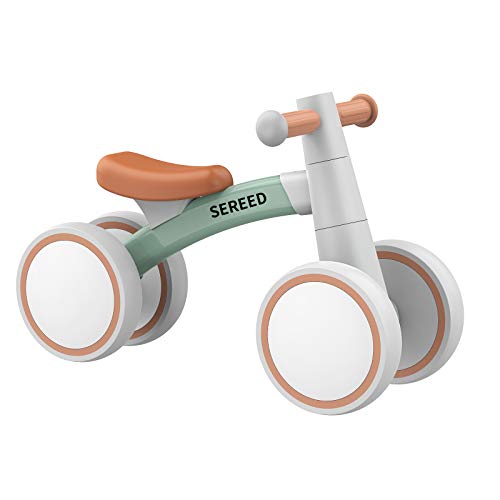
SEREED Baby Balance Bike for 1 Year Old Boy Girl, First Birthday Gift Toy | 12-24 Months Toddler Bike, First Learning Ride on Toys, 4 Silent Wheels Indoor Outdoor Baby Walker, Green
Check price on Amazon
Move2Play, Feed the Fish | 30+ Fin-Tastic Songs & Phrases | Christmas Toys & Gifts for One Year Olds & Toddlers | First Birthday Presents for 1+ Year Old Boys & Girls | Baby Toys 6-9, 6-12 Months
Check price on Amazon
Aullsaty Talking Flash Cards for Toddlers Ages 1-3, 224 Words Montessori Speech Therapy Toys, Autism Sensory Toy, Educational Learning Speech Therapy Birthday Gifts for Boys Girls (Blue)
Check price on Amazon