Free Pregnancy Items Through Insurance
Discover how your health insurance can provide essential pregnancy and postpartum items at no out-of-pocket expense. From breast pumps to prenatal vitamins, learn exactly what you're entitled to and how to claim it.
Did you know? Under the Affordable Care Act (ACA), most health insurance plans are required to cover certain pregnancy-related items and services without additional charges to you. Many expecting mothers are unaware of these benefits and miss out on valuable resources that could ease their journey. This guide walks you through every covered item, eligibility requirements, and the exact steps to claim your benefits.
What You'll Learn
- Which pregnancy items are covered by health insurance
- How to qualify for a free breast pump through insurance
- Prenatal vitamin coverage and how to access it
- Maternity support and postpartum care benefits
- Step-by-step process to claim your covered items
- What to do if your claim is denied
Pregnancy Items Covered by Insurance
Health insurance coverage for pregnancy items varies by provider and plan type, but federal mandates under the ACA ensure that most plans cover a core set of essential items. Here's a breakdown of the most commonly covered categories:
Breast Pumps
Most plans cover one breast pump per pregnancy, including double electric pumps, through durable medical equipment (DME) benefits. This is the most frequently claimed pregnancy benefit.
Prenatal Vitamins
Prescription prenatal vitamins are typically covered when deemed medically necessary. Some plans also cover over-the-counter versions with a prescription.
Lactation Support
Lactation consultations and breastfeeding support are covered under preventive services, often including in-home visits and virtual consultations.
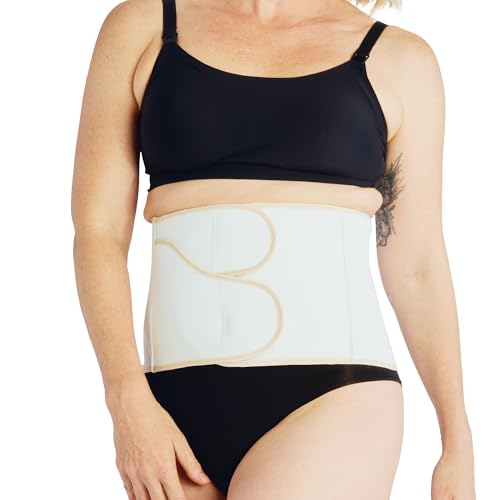
Maternity Support Belts
Medically necessary maternity support belts may be covered as DME when prescribed by your healthcare provider for back pain or pelvic support.
Postpartum Recovery Items
Some comprehensive plans cover postpartum care items like compression garments, sitz bath supplies, and perineal care products when medically indicated.
Childbirth Education
Many plans cover childbirth preparation classes, breastfeeding education, and newborn care courses as part of preventive maternity care.
How to Get a Free Breast Pump Through Insurance
The breast pump benefit is one of the most valuable — and most underutilized — pregnancy insurance benefits. Under the ACA, health plans must cover breastfeeding support and equipment without additional charges to you. Here's how to access it:
Step 1: Verify Your Coverage
Contact your insurance provider and ask specifically about your breast pump through insurance Medicaid coverage or your private plan's DME benefits. Ask whether you need to use an in-network supplier and whether you're eligible for a single or double electric pump.
Step 2: Obtain a Prescription
Request a prescription for a breast pump from your obstetrician, midwife, or primary care provider. The prescription should specify the type of pump (manual or electric) and any medical necessity notes.
Step 3: Choose an In-Network Supplier
Your insurance company will typically provide a list of approved DME suppliers. Order your pump through one of these suppliers to ensure full coverage. Some mom cozy breast pump through insurance models are available through this process.
Step 4: Place Your Order
Once you've selected a supplier, place your order and provide your prescription and insurance information. Your pump will typically be delivered to your home before or shortly after your due date.
Getting Prenatal Vitamins Covered
Prenatal vitamins are critical for fetal development, and many insurance plans cover them when prescribed by a healthcare provider. Here's what you need to know:
- Prescription requirement: Most plans require a prescription for prenatal vitamins to be covered. Ask your provider for a prescription even for over-the-counter brands.
- Formulary restrictions: Insurance plans often have a formulary (approved list) of covered vitamins. Your provider can help you select a covered brand.
- Medicaid coverage: Medicaid programs typically cover prescription prenatal vitamins with no or minimal copayments.
- FSA/HSA option: If your plan doesn't cover prenatal vitamins, you can often use flexible spending account (FSA) or health savings account (HSA) funds to purchase them.
Coverage Comparison by Insurance Type
| Item | Medicaid | Private Insurance (ACA) | Employer Plan |
|---|---|---|---|
| Breast Pump | Covered (essential tier) | Covered (essential tier) | Usually covered |
| Prenatal Vitamins | Covered with prescription | Covered with prescription | Varies by plan |
| Lactation Consultation | Covered | Covered (preventive) | Usually covered |
| Maternity Support Belt | Covered when medically necessary | Covered when medically necessary | Varies by plan |
| Childbirth Classes | Often covered | Often covered | Varies by plan |
Other Pregnancy Items That May Be Covered
Beyond the core benefits, some insurance plans offer additional coverage for pregnancy-related items. Check with your provider about these possibilities:
- Compression socks: Often covered for pregnancy-related swelling when prescribed.
- Pregnancy pillows: Some plans with comprehensive maternity benefits may cover specialized support pillows.
- Nursing bras: Occasionally covered under lactation support benefits.
- Nipple cream: Medical-grade lanolin may be covered as a breastfeeding supply.
- Postpartum care kits: Perineal care items and sitz bath supplies may be covered as DME.
If you're preparing your hospital bag, understanding these benefits can help you avoid unnecessary purchases. For a complete list of what you'll actually need, see our guide on things you actually need for a newborn.
Step-by-Step Claim Process
- Review your plan documents: Log into your insurance portal or call member services to request a summary of your maternity and DME benefits.
- Get the prescription: Ask your healthcare provider to write prescriptions for all applicable items, including breast pump and prenatal vitamins.
- Confirm in-network suppliers: Request a list of approved DME suppliers and confirm they're in-network for your plan.
- Submit your order: Place your order with the supplier, providing your prescription and insurance details.
- Track your claim: Follow up with the supplier and your insurance company to confirm processing and delivery timelines.
- Keep records: Save all receipts, prescriptions, and correspondence in case of billing issues.
What to Do If Your Claim Is Denied
If your insurance denies coverage for a pregnancy item you believe should be covered, you have options:
- Request a written explanation: Ask your insurer for the specific reason for denial in writing.
- File an appeal: Most plans have a formal appeals process. Submit your appeal with supporting documentation from your healthcare provider.
- Ask your provider to resubmit: Sometimes a denied claim can be resolved with additional medical necessity documentation.
- Contact your state insurance department: If your appeal is unsuccessful, your state's insurance regulatory office may be able to assist.
- Explore alternative coverage: If you have Medicaid, check whether your state offers additional pregnancy benefits beyond the federal minimum.
Preparing for Your Baby's Arrival?
Explore our complete baby gear buying guides and nursery setup resources to make informed decisions for your growing family.
Explore Newborn EssentialsPlanning Ahead: Other Pregnancy Resources
While insurance covers many essential items, there are other pregnancy and postpartum considerations worth planning for:
- Announcement ideas: Planning to share your news? Explore fun ways to tell family you're pregnant and cute pregnancy announcement ideas for parents.
- Nursery preparation: Consider a convertible crib and changing table for a space-efficient nursery setup.
- Feeding decisions: If you're considering supplementing, learn about supplementing breast milk with formula.
- Newborn coming home outfit: Prepare a newborn coming home outfit for your baby's first journey home.
- Diaper rash prevention: Keep a doctor-recommended diaper rash cream on hand for your newborn.