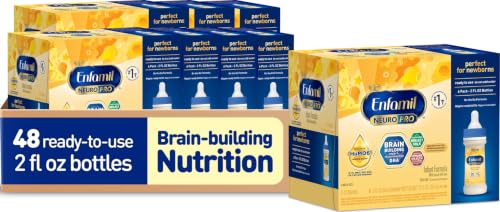
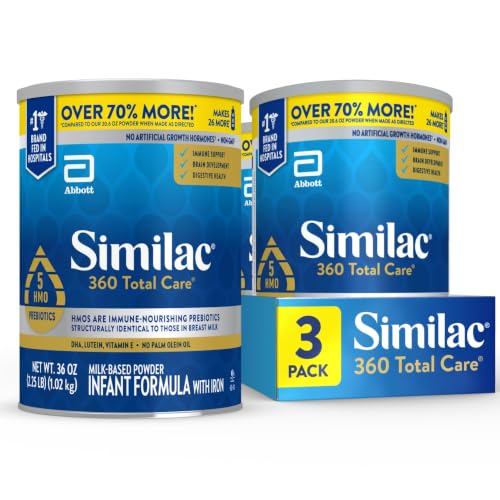
Formula for Newborn: A Complete Guide for New Parents
Everything you need to know about choosing, preparing, and feeding newborn formula — from types and stages to safe preparation and feeding schedules.
EXPLORE THE GUIDECradleCheck Philosophy: Whether you are formula-feeding from day one or supplementing alongside breastfeeding, understanding newborn formula empowers you to make confident, informed decisions. This guide breaks down formula types, preparation safety, feeding schedules, and troubleshooting tips so you can nourish your baby with peace of mind.
Understanding Newborn Formula
Newborn formula is a specially designed nutritional substitute for breast milk, formulated to meet the unique dietary needs of infants from birth to around 6 months of age. Commercial infant formulas are strictly regulated and must meet rigorous nutritional standards, making them a safe and reliable feeding option when breastfeeding is not possible or when supplementing.
Most newborn formulas are cow's milk-based, but there are also soy-based, hypoallergenic, and specialized options for babies with specific dietary needs. The three main formats — powder, liquid concentrate, and ready-to-feed — differ in convenience, preparation method, and shelf stability, but all provide complete nutrition when prepared correctly.
Types of Newborn Formula
- Cow's Milk-Based Formula: The most common type, suitable for most newborns. It contains modified cow's milk protein, added iron, and a blend of vitamins and minerals.
- Soy-Based Formula: An alternative for babies with lactose intolerance or a milk protein allergy (though not for premature infants or those with a confirmed cow's milk protein allergy without medical guidance).
- Hypoallergenic Formula: Designed for babies with confirmed or suspected milk protein allergies. Proteins are extensively hydrolyzed (broken down) to reduce allergic reactions.
- Specialized Formula: Includes premature formula, reflux-friendly formula, and sensitive stomach formula for newborns with partially hydrolyzed proteins for easier digestion.
Formula Stages and Tier Classification
Formula products are typically categorized by stage and by market tier. Understanding these classifications helps you match a product to your baby's age and your family's preferences without relying on misleading marketing language.
| Tier | Best For | Key Characteristics |
|---|---|---|
| Essential Tier | Healthy newborns with no special dietary concerns | Standard cow's milk-based formula with complete nutrition, entry-level positioning |
| Balanced Tier | Babies needing gentle digestion support | Partially hydrolyzed proteins, added probiotics or prebiotics, mid-range positioning |
| Premium Tier | Babies with sensitive stomachs or allergy concerns | Extensively hydrolyzed or amino acid-based, hypoallergenic, high-end tier |
| Specialized Tier | Premature infants or babies with medical needs | Higher calorie density, specialized nutrient profiles, professional-grade formulation |
How to Choose the Right Formula for Your Newborn
Choosing a formula can feel overwhelming with the sheer number of options on the shelf. Start by focusing on your baby's health profile. For most healthy newborns, a standard cow's milk-based formula in the essential or balanced tier works well. If your baby shows signs of fussiness, gas, or mild digestive discomfort, a sensitive stomach formula in the balanced tier may be more suitable.
If there is a family history of allergies or your baby exhibits signs of a milk protein allergy — such as excessive spitting up, blood in stool, or persistent eczema — consult your pediatrician before switching to a hypoallergenic formula in the premium tier. Your pediatrician can also recommend a specialized formula if your baby was born premature or has other medical needs.
For parents considering adding cereal to formula, it is important to understand the guidelines around what age you can add cereal to formula and the available formula with rice cereal already added. These options should only be used under pediatric guidance.
Safe Preparation and Storage
Proper preparation is critical for your newborn's safety. Always wash your hands thoroughly before preparing a bottle, and sterilize bottles, nipples, and mixing utensils before first use. Use the exact water-to-powder ratio specified on the formula packaging — never dilute or concentrate the formula, as this can cause serious health issues.
For powder formula, use water that has been boiled and cooled to the temperature recommended by the manufacturer, typically around 70°C (158°F) to kill any potential bacteria in the powder, then let it cool to feeding temperature. Ready-to-feed formulas require no mixing and are convenient for travel or late-night feedings, while liquid concentrates must be diluted according to package instructions.
Prepared formula should be used within one hour of feeding. If not used immediately, refrigerate it for up to 24 hours. Never freeze prepared formula, and always discard any leftover formula from a bottle your baby has already fed from to prevent bacterial growth.
Feeding Schedule and Amounts
Newborns have small stomachs and need frequent feedings — typically every 2 to 4 hours, or 8 to 12 times per day. During the first few days after birth, your baby may take only 1 to 2 ounces per feeding. By the end of the first month, most newborns take 3 to 4 ounces per feeding. Rather than adhering strictly to a schedule, follow your baby's hunger cues: rooting, sucking on hands, and fussiness are all signs that your baby is ready to feed.
Never force your baby to finish a bottle. Let your baby decide when they are full by turning away from the nipple or relaxing their hands. Overfeeding can cause discomfort and spit-up, while underfeeding can lead to poor weight gain. Your pediatrician will monitor your baby's growth at well-child visits and can help you adjust feeding amounts as needed.
Troubleshooting Common Feeding Concerns
Spit-up, gas, and fussiness are common in formula-fed newborns and often resolve on their own as the digestive system matures. If your baby seems consistently uncomfortable after feedings, try burping more frequently, using a slower-flow nipple, or holding your baby upright for 20 to 30 minutes after feeding.
If your baby develops a rash, diarrhea, or blood in the stool, these may be signs of a milk protein allergy. Consult your pediatrician promptly, as a hypoallergenic or specialized formula may be necessary. Similarly, if your baby has persistent constipation or seems to be in pain, your pediatrician can help identify whether a formula change or other intervention is appropriate.
Frequently Asked Questions
How much formula should a newborn drink per feeding?
During the first few days, a newborn typically takes 1 to 2 ounces per feeding. By the end of the first month, most newborns take 3 to 4 ounces per feeding, roughly every 3 to 4 hours. Always follow your baby's hunger cues rather than forcing a fixed amount.
Can I switch formula brands for my newborn?
Yes, switching formula brands is generally safe, but it should be done gradually to avoid digestive upset. Introduce the new formula slowly over several days, mixing with the old one, and consult your pediatrician if your baby shows signs of intolerance.
Is it safe to add rice cereal to newborn formula?
Most pediatricians do not recommend adding rice cereal to a newborn's bottle before 4 to 6 months of age. It can pose choking hazards and provide unnecessary empty calories. Always consult your pediatrician before modifying your baby's formula.
How long can prepared formula be stored?
Prepared formula should be used within 1 hour of feeding. If not used immediately, it can be stored in the refrigerator for up to 24 hours. Never freeze prepared formula, and always discard any leftover formula from a bottle your baby has already fed from.
What is the difference between formula stages?
Stage 1 formula is designed for newborns up to 6 months, Stage 2 for babies 6 to 12 months, and Stage 3 for toddlers over 12 months. Each stage is formulated to meet the changing nutritional needs as your baby grows.
Ready to Find the Right Formula for Your Newborn?
Explore our recommended newborn formula products below, carefully selected to match different feeding needs and stages.
View Recommended Products