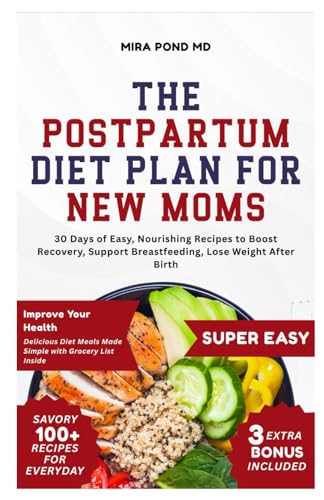
Diet for Breastfeeding Mothers to Lose Weight
Nutritional strategies to support healthy weight loss while maintaining milk supply and energy for you and your baby.
Explore Baby EssentialsBalance is key: Losing weight while breastfeeding requires a careful approach. A gradual weight loss of 1–2 pounds per week is generally safe and won't compromise your milk production. Focus on nutrient-dense foods, hydration, and listening to your body's hunger cues.
Why a Healthy Diet Matters During Breastfeeding
Breastfeeding burns about 300–500 extra calories per day. This natural calorie expenditure can help with weight loss, but only if you're eating the right foods. A diet for breastfeeding mothers to lose weight should emphasize whole foods, lean proteins, healthy fats, and complex carbohydrates. Avoiding empty calories and processed foods is essential to nourish both you and your baby.
When you're nursing, your body needs more of certain nutrients, including calcium, iron, omega-3s, and vitamins A, D, and B12. Foods that are gentle on baby's tummy are also a priority. Learn which foods to include and which to limit in your daily meals.
Top Nutrient-Dense Foods for Nursing Moms
🥑 Healthy Fats
Avocados, nuts, seeds, olive oil, and fatty fish like salmon support brain development and keep you full longer.
🥩 Lean Proteins
Chicken, turkey, eggs, tofu, and legumes aid muscle repair and stabilize blood sugar, preventing energy crashes.
🥦 Vegetables
Leafy greens, broccoli, bell peppers, and carrots provide fiber, vitamins, and antioxidants with minimal calories.
🍚 Whole Grains
Oats, quinoa, brown rice, and whole-wheat bread supply steady energy and help maintain milk supply.
🫐 Fruits
Berries, apples, oranges, and bananas are rich in fiber and natural sweetness, curbing sugar cravings.
💧 Hydration
Water, herbal teas, and broths are essential. Aim for 12–16 cups of fluids daily to support milk production.
Sample One-Day Meal Plan (1800–2000 Calories)
This meal plan is designed for a breastfeeding mother aiming to lose weight slowly. Adjust portions based on your hunger and activity level. Always consult your healthcare provider before starting any diet.
| Meal | Food Suggestions |
|---|---|
| Breakfast | Overnight oats with berries, a sprinkle of chia seeds, and a scoop of protein powder. |
| Snack | Apple slices with 1 tbsp almond butter. |
| Lunch | Grilled chicken salad with mixed greens, quinoa, cucumber, and a lemon vinaigrette. |
| Snack | Greek yogurt with a handful of walnuts. |
| Dinner | Baked salmon, roasted sweet potatoes, and steamed broccoli. |
| Evening | Herbal tea or a glass of warm milk (optional). |
Safe Weight Loss Tips While Breastfeeding
- Don't crash diet: Very low-calorie diets (under 1500 calories) can reduce milk supply and leave you fatigued.
- Eat small, frequent meals: This helps keep blood sugar steady and prevents overeating.
- Prioritize protein and fiber: They increase satiety and reduce cravings for sugary snacks.
- Stay active: Gentle exercises like walking, yoga, or postpartum Pilates complement your diet.
- Sleep when possible: Rest helps regulate hunger hormones. Aim for at least 6–7 hours of sleep.
- Listen to your body: Eat when hungry, stop when satisfied. Your body is working hard to produce milk.
Foods to Limit for Weight Loss
While most foods are fine in moderation, these items can hinder your weight loss goals or affect your baby:
- Added sugars: Sodas, pastries, and sweets add empty calories. Opt for fruit or dark chocolate when craving.
- Highly processed snacks: Chips, crackers, and packaged baked goods are calorie-dense and low in nutrients.
- Excess caffeine: More than 2–3 cups of coffee can interfere with sleep and may cause fussiness in some babies.
- Alcohol: It's best to avoid or limit alcohol, as it provides empty calories and can affect milk letdown.
For more tailored advice, you can explore our comprehensive breastfeeding guide and postpartum care kit essentials.
When to Consult a Professional
If you're struggling with weight loss or have concerns about milk supply, consider speaking with a registered dietitian or lactation consultant. They can provide personalized guidance based on your health history and breastfeeding goals. Additionally, if you experience dizziness, extreme fatigue, or a sudden drop in milk production, seek medical attention promptly.
Remember, every mother's journey is unique. Self-care for moms includes mental health and body positivity. Embrace the process and celebrate small victories.
Read more: breastfeeding supplements to increase milk supply | natural ways to increase breast milk supply | saggy breasts after breastfeeding solutions