Formula for Cow Milk and Soy Allergy
Your complete guide to understanding hypoallergenic formulas, identifying symptoms, and choosing the right nutrition for your baby with cow milk protein allergy (CMPA) or soy allergy.
Understanding Cow Milk and Soy Allergies in Babies
When your baby has a cow milk protein allergy (CMPA) or soy allergy, finding the right formula becomes one of the most important decisions you'll make. These allergies are among the most common food allergies in infants, affecting approximately 2-3% of babies in their first year of life. Many babies who are allergic to cow milk protein also react to soy protein, a condition known as milk-soy protein intolerance (MSPI).
Fortunately, there are several types of specialized formulas available that can provide complete nutrition for your baby while avoiding the proteins that trigger allergic reactions. Understanding the differences between these formulas and knowing which one is right for your baby is essential for their health, comfort, and development.
If you're navigating formula for cow milk and soy allergy, this guide will help you understand the options available and make an informed decision for your little one.
Recognizing Symptoms of Cow Milk and Soy Allergy
Before switching to a hypoallergenic formula, it's important to recognize the signs that your baby may be experiencing a cow milk or soy protein allergy. Symptoms can vary widely from mild to severe and may appear within minutes or up to several hours after feeding.
Digestive Symptoms
Frequent spit-up, vomiting, diarrhea, constipation, bloody stools, abdominal pain, gas, and bloating. Your baby may also show signs of colic or excessive fussiness after feeding.
Skin Reactions
Eczema, red rashes, hives, swelling around the mouth or eyes, and dry, itchy skin. These reactions can appear shortly after feeding or develop over time with continued exposure.
Respiratory Symptoms
Nasal congestion, runny nose, coughing, wheezing, and difficulty breathing. In severe cases, anaphylaxis can occur, which requires immediate medical attention.
Behavioral Changes
Extreme fussiness, irritability, poor sleep, refusal to feed, and failure to thrive. Your baby may seem generally uncomfortable and difficult to soothe.
⚠️ When to See a Doctor
If you suspect your baby has a cow milk or soy allergy, consult your pediatrician immediately. Do not switch formulas without medical guidance, as proper diagnosis is essential. Blood in stool, severe vomiting, or breathing difficulties require emergency medical attention.
Understanding these symptoms is the first step toward finding the right soy formula for milk protein allergy or specialized formula for your baby's needs.
Types of Formula for Cow Milk and Soy Allergy
When your baby needs formula for cow milk and soy allergy, there are several categories of specialized formulas available. The right choice depends on the severity of your baby's allergy and how they respond to different protein levels.
Extensively Hydrolyzed Formulas (EHF)
These formulas contain cow milk proteins that have been broken down into smaller fragments, making them less likely to trigger an allergic reaction. Approximately 90% of babies with CMPA tolerate extensively hydrolyzed formulas. They are typically the first line of defense for managing mild to moderate cow milk protein allergy.
Amino Acid-Based Formulas (AAF)
Also known as elemental formulas, these contain proteins broken down into their simplest form—individual amino acids. They are completely hypoallergenic and suitable for babies with severe allergies or those who don't tolerate hydrolyzed formulas. Amino acid formulas are the gold standard for managing severe cow milk and soy protein allergies.
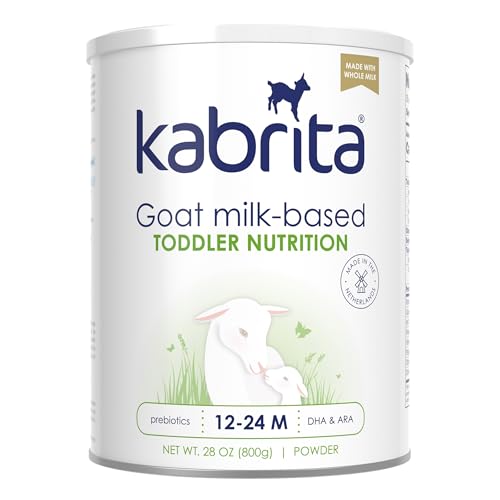
Soy-Based Formulas
While these formulas are dairy-free, approximately 10-14% of babies with CMPA also react to soy protein. Soy-based formulas should only be used when your baby has been confirmed to tolerate soy. They are not recommended for babies with confirmed soy allergy or MSPI.
For many babies diagnosed with MSPI, the most appropriate option is an extensively hydrolyzed or amino acid-based formula. These provide complete nutrition while completely avoiding both cow milk and soy proteins.
If you're exploring options for your baby, you may want to compare reflux formula options as well, since many babies with allergies also experience reflux symptoms.
Popular Formula Options for CMPA and MSPI
Here are some of the most commonly recommended formulas for babies with cow milk and soy protein allergies. Always consult with your pediatrician before selecting a formula.
Nutramigen
An extensively hydrolyzed formula from Enfamil that's clinically proven to manage cow milk protein allergy. It's gentle on sensitive tummies and contains probiotics for immune support.
$45+Alimentum
From Similac, this extensively hydrolyzed formula is designed for babies with cow milk protein allergy. It's available in both powder and ready-to-feed liquid forms.
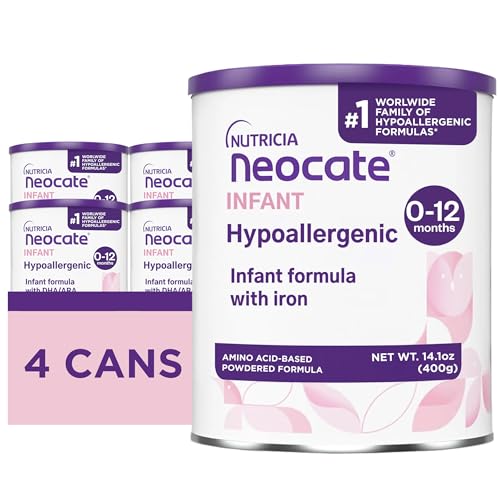
$50+Neocate
An amino acid-based formula (AAF) that's 100% hypoallergenic. It's suitable for babies with severe CMPA, soy allergy, and multiple food allergies. This is often the formula of choice for babies with MSPI.
$60+EleCare
Another amino acid-based formula from Abbott, EleCare is designed for infants and children with severe food allergies, including cow milk and soy allergies. It provides complete, balanced nutrition.
$55+Puramino
This amino acid-based formula is designed for infants with severe cow milk and soy allergies. It's well-tolerated and provides complete nutrition for babies with MSPI.
$58+Gerber Extensive HA
A hydrolyzed formula that's designed for babies with cow milk protein allergy. It's made with 100% whey protein hydrolysate and is gentle on sensitive digestive systems.
$42+💡 Price Information
Prices for hypoallergenic formulas range from approximately $42 for extensively hydrolyzed options to $60+ for amino acid-based formulas. Prices vary based on size, form (powder vs. ready-to-feed), and retailer. Remember that these formulas are often more expensive than standard formulas, but they are essential for babies with confirmed allergies.
If your baby needs a specialized formula but also has other digestive sensitivities, you might want to explore options for lactose-free milk powder for infants or ready-to-feed infant formula bottles for convenience.
How to Transition Your Baby to a Hypoallergenic Formula
Transitioning your baby to formula for cow milk and soy allergy should be done under the guidance of your pediatrician. Here's a general approach that many healthcare providers recommend:
- Get a proper diagnosis – Your pediatrician will evaluate your baby's symptoms and may recommend an elimination diet or allergy testing.
- Start with extensively hydrolyzed formula – For most babies with CMPA, this is the first recommendation. It's effective for 90% of cases.
- Transition gradually – Mix the new formula with your baby's current formula in increasing proportions over 3-5 days to help your baby adjust to the taste.
- Monitor for improvement – Symptoms typically improve within 2-4 weeks of switching to the appropriate hypoallergenic formula.
- If needed, move to amino acid-based formula – If symptoms don't improve or your baby has severe reactions, your pediatrician may recommend an amino acid-based formula.
Remember, it can take up to 2-4 weeks to see significant improvement in symptoms after switching formulas. Be patient and continue monitoring your baby's response.
If your baby has other feeding challenges, you may also want to learn about weaning off breastfeeding to formula or newborn feeding schedule to ensure proper nutrition during the transition.
Tips for Parents Managing Baby Allergies
- Read ingredient labels carefully – Cow milk and soy proteins can appear in unexpected foods and supplements. Always check labels, even for medications.
- Communicate with caregivers – Ensure that anyone caring for your baby knows about their allergy and knows which formula to use.
- Consider your diet if breastfeeding – If you're breastfeeding, you'll need to eliminate cow milk and soy from your own diet as the proteins can pass through breast milk.
- Join a support group – Connecting with other parents managing food allergies can provide emotional support and practical tips.
- Keep emergency medication accessible – If your child has been diagnosed with a severe allergy, always have antihistamines or epinephrine available as prescribed.
- Be prepared for a longer recovery – Many babies outgrow cow milk protein allergy by age 1-3, but some may have allergies that persist longer.
For additional support in your parenting journey, explore other resources like newborn sleep guide and pediatric sleep consultant for comprehensive baby care.
Will My Baby Outgrow Cow Milk and Soy Allergies?
Many babies do outgrow cow milk protein allergy and soy allergy. Studies show that approximately 50-80% of children with CMPA will outgrow it by age 3-5. Regular follow-ups with your pediatrician or an allergist can help determine when to reintroduce cow milk and soy products safely.
However, some babies with severe allergies, especially those who require amino acid-based formulas, may have allergies that persist longer or even into adulthood. Regular monitoring and allergy testing are essential to track your child's progress.
If you're dealing with multiple feeding challenges, you might also find helpful information in guides about tummy time tips and developmental toys for 4-6 month old to support your baby's overall development.
Conclusion: Finding the Right Formula for Your Baby
Navigating formula for cow milk and soy allergy can feel overwhelming, but with the right information and medical guidance, you can find a solution that supports your baby's health and well-being. The key steps are:
- Recognizing the symptoms early
- Getting a proper medical diagnosis
- Choosing the appropriate type of formula (extensively hydrolyzed or amino acid-based)
- Transitioning gradually and monitoring your baby's response
- Working closely with your healthcare provider throughout the process
Remember, you're not alone in this journey. Millions of parents have successfully managed their babies' allergies, and with the right support, your baby can thrive. Your choice of formula is an important step in providing the nutrition your baby needs to grow healthy and strong.
For more guidance on caring for your baby, explore our baby gear resources, nursery ideas, and other helpful buying guides to prepare for your baby's arrival and early years.