What to Look for in Ready-to-Feed Infant Formula
Choosing the right ready-to-feed infant formula is one of the most important decisions you'll make. With so many options available, it's easy to feel overwhelmed. This guide breaks down everything you need to know, from ingredients to cost, to help you make an informed choice that's best for your baby and your family.
1. Ingredients and Nutrition
At its core, all infant formula is designed to mimic breast milk, but the specific ingredients can vary significantly. Look for a formula that contains:
- DHA and ARA: These omega-3 and omega-6 fatty acids are crucial for brain and eye development.
- Prebiotics and Probiotics: These support your baby's developing digestive system and immune health.
- Iron: Essential for healthy blood and preventing iron deficiency anemia.
If your baby has a suspected milk protein allergy, you'll need to look for a hypoallergenic or extensively hydrolyzed formula. For babies with severe allergies, an amino acid-based formula may be necessary. Always consult your pediatrician before switching formulas.
2. Convenience and Ease of Use
Ready-to-feed (RTF) formula is the gold standard for convenience. It comes in pre-mixed liquid form and is ready to pour directly into a bottle. This eliminates the need for measuring powder, mixing with water, and worrying about the perfect temperature. It's especially useful for:
- Nighttime Feedings: No fumbling with scoops and bottles in the dark.
- Travel: Just pack some sterile bottles and you're ready to go. RTF is a great option when you're on the move.
- Supplementing Breastfeeding: It's a quick and easy way to top up your baby without interrupting the flow.
For parents who are transitioning from breastfeeding to formula, the RTF format can make the process smoother and less stressful.
3. Safety and Preparation
One of the biggest advantages of ready-to-feed formula is its safety. Because it's sterile and sealed, there's less risk of bacterial contamination compared to powder formula, which can occasionally be contaminated with Cronobacter sakazakii. The World Health Organization (WHO) recommends preparing powder formula with water at 158°F (70°C) to kill any potential bacteria. With RTF, this step is completely unnecessary, giving you extra peace of mind, especially for newborns and premature babies.
Remember to always check the safe handling of the bottle. Use the formula within one hour of opening at room temperature, or refrigerate it immediately and use within 48 hours. Always follow the manufacturer's guidelines on storage and expiration dates.
4. Cost and Budget
Convenience comes at a price. RTF formula is significantly more expensive per ounce than powder or even concentrated liquid formula. A single 32-ounce bottle of RTF can cost between $10 and $15, while powder formula might be less than half that cost. However, many parents find that the convenience is well worth the extra expense, especially during the newborn stage or for occasional use.
To manage costs, consider a combination approach. Use powder for daily home feedings and keep a few RTF bottles on hand for travel, nights out, or emergencies. This balances your budget with the need for convenience. Also, buying RTF formula in bulk from warehouse clubs or online retailers can often save you money.
5. Types of Ready-to-Feed Formula
Just like powder formula, RTF comes in different types to suit various needs.
- Standard Cow's Milk-Based: Suitable for most full-term, healthy infants.
- Gentle / Partially Hydrolyzed: For babies with mild digestive issues or a higher risk of allergies.
- Hypoallergenic / Extensively Hydrolyzed: For babies with a confirmed cow's milk protein allergy (CMPA).
- Soy-Based: A plant-based alternative, often chosen for infants with lactose intolerance or for families following a vegan diet (though this is less common).
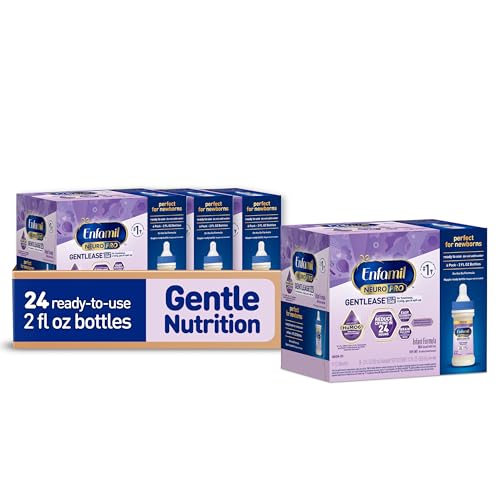
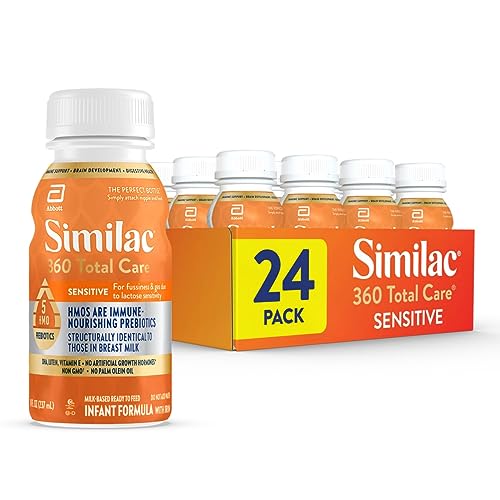
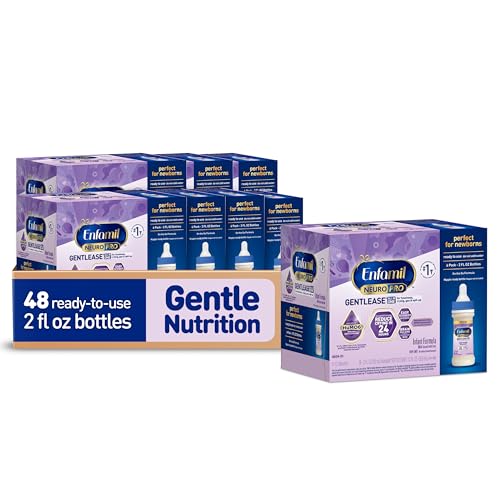
If your baby is fussy or has gas, you might try a gentle formula. For allergies, formulas like Similac Alimentum or Enfamil Nutramigen are popular RTF options. Always seek your pediatrician's advice before choosing a specialty formula.
6. Tips for Using Ready-to-Feed Formula
Here are some practical tips to make the most of ready-to-feed infant formula:
- Check the temperature: Most babies prefer their formula at room temperature or slightly warmed. To warm, place the sealed bottle in a bowl of warm water for a few minutes. Never use a microwave, as it can create hot spots that can burn your baby's mouth.
- Use sterile bottles: While the formula is sterile, your baby's feeding bottles should be thoroughly washed and sterilized, especially for younger infants.
- Plan for the day: Once opened, RTF formula must be refrigerated and used within 48 hours. For a single feeding, pour the desired amount into a bottle and use within one hour. Any leftover formula in the baby's bottle after a feeding should be discarded.
- Store properly: Unopened RTF formula can be stored at room temperature in a cool, dry place. Check the expiration date on the bottle before using.
Understanding these details can greatly enhance your feeding routine and reduce stress.
7. Making the Switch: From Powder to Ready-to-Feed or Vice Versa
Sometimes, you might need to switch between powder and ready-to-feed. Perhaps you're traveling, or you find a great deal on powder formula for home use. The good news is that you can generally switch back and forth between the same brand and type without any issues, as the core nutrition is the same. However, if you're changing brands or types, your baby's digestive system might need a transition period. To minimize the chance of an upset stomach, do a gradual transition over a few days, mixing increasing amounts of the new formula with the old. A sudden change can sometimes cause gas, fussiness, or changes in stool patterns.
Ultimately, the best choice is the one that works for your baby and your family. Some parents prefer the ease and safety of ready-to-feed, while others find that the cost savings of powder formula is more important. There's no right or wrong answer.
Frequently Asked Questions (FAQs)
Can I use ready-to-feed formula for a premature baby?
Yes, but it's best to use a formula specifically designed for premature or low-birth-weight babies, which has extra calories and nutrients. Always follow your NICU team's recommendations.
How long does ready-to-feed formula last after opening?
Once opened, ready-to-feed formula must be refrigerated and used within 48 hours. At room temperature, it should be used within one hour.
Do I need to boil water before using ready-to-feed formula?
No, ready-to-feed formula is sterile and does not require boiling. Simply pour it directly into a sterile bottle.
Is ready-to-feed formula safe for my baby's teeth?
To prevent tooth discoloration and decay, avoid letting your baby fall asleep with a bottle of formula, as the sugar can pool around their teeth. Wipe their gums with a soft cloth after feeding.