Reflux Formula Options: Finding Relief for Your Baby
Discover the best formula options for babies with acid reflux. From hypoallergenic to thickened AR formulas, learn which one may be right for your little one.
Explore Formula Types ↓🌱 Understanding Infant Reflux
Infant reflux is common, but persistent symptoms may require a specialized formula. Choosing the right reflux formula can make a significant difference in your baby's comfort and feeding success. This guide breaks down the most effective options backed by pediatric recommendations.
Types of Reflux Formulas
Hypoallergenic Formula
Extensively hydrolyzed proteins that are gentle on sensitive stomachs. Ideal for babies with cow's milk protein allergy or multiple food intolerances that trigger reflux. Typically priced around $45+ per can.
Key brands: Alimentum, Nutramigen
AR (Added Rice Starch) Formula
Thickened formulas that stay in the stomach longer, reducing spit-up and reflux episodes. Often the first-line recommendation for mild to moderate reflux. Price range: $35–$50 per can.
Key brands: Enfamil AR, Similac Spit-Up
Soy-Based Formula
Lactose-free and made from soy protein. Suitable for babies with lactose intolerance or those who cannot tolerate cow's milk. However, some babies with reflux also react to soy. $30+ per can.
Key brands: Enfamil ProSobee, Similac Soy Isomil
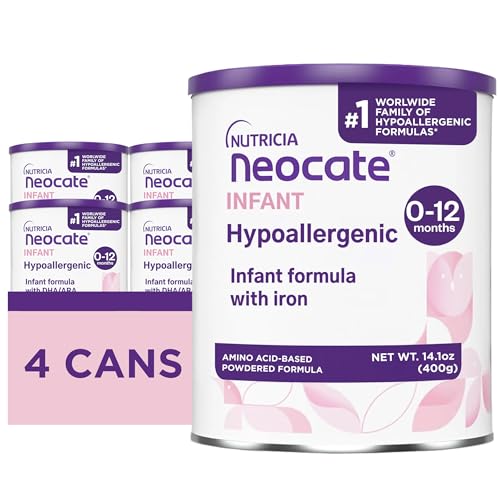
Elemental Formula
100% amino acid-based formula for severe allergies and reflux. Designed for babies who fail all other options. Highly specialized, with a price around $60–$80 per can.
Key brands: Neocate, EleCare
How to Choose the Right Formula
When your baby experiences frequent spit-up, fussiness, or arching during feeds, it's natural to feel overwhelmed. The best reflux formula depends on your baby's specific symptoms and any underlying conditions. Here are key factors to consider:
- Severity of reflux: For mild cases, a thickened AR formula may be sufficient. For more severe cases, a hypoallergenic option might be necessary.
- Allergies and intolerances: If your baby has a confirmed or suspected milk or soy protein intolerance, an extensively hydrolyzed or amino acid-based formula is usually recommended.
- Pediatric guidance: Always consult your pediatrician before switching formulas. They can help rule out other causes and guide you to the right choice.
- Cost and availability: Some specialized formulas can be expensive. Check if your insurance covers hypoallergenic or elemental formulas.
💡 Tips for Feeding a Baby with Reflux
In addition to choosing the right formula, consider these practices: keep baby upright during and after feeds, burp frequently, offer smaller, more frequent meals, and ensure a proper latch if breastfeeding. These strategies, combined with an appropriate formula, can greatly improve symptoms.
When to Consult a Specialist
While many babies outgrow reflux by 12 months, persistent or worsening symptoms warrant medical attention. If your baby is not gaining weight, has breathing difficulties, or appears to be in significant pain, seek immediate advice from your pediatrician or a pediatric gastroenterologist. They may recommend a more specialized approach, including prescription formulas or further diagnostic tests.
If you suspect your baby's reflux is linked to a lactose intolerance or cow's milk and soy allergy, exploring allergy-friendly options is crucial. You may also find our guides on newborn feeding schedules and weaning from breastfeeding to formula helpful as you navigate this journey. For long-term management, understanding safe sleep practices alongside reflux management can provide peace of mind.
Below is a curated list of highly rated reflux formulas and related products to help you find the best solution for your baby. These products are recommended based on expert reviews and parent feedback.