
Formula Closest to Breast Milk: Non-Dairy Options Explained
Finding a non-dairy formula that closely mimics breast milk can feel overwhelming. This comprehensive guide breaks down the science, the options, and the practical considerations so you can make a confident, informed decision for your baby's feeding journey.
Compare Non-Dairy OptionsWhy Non-Dairy Formula Matters: Some babies develop allergies or sensitivities to cow's milk protein, the most common ingredient in standard infant formula. For these families, finding a nutritionally complete, non-dairy alternative that still supports healthy growth is essential. Modern non-dairy formulas have advanced significantly, offering specialized options that closely approximate the nutritional profile of breast milk while addressing specific dietary needs.
Understanding Breast Milk and Non-Dairy Formula
Breast milk is a dynamic, living fluid that adapts to your baby's changing needs. It contains a unique blend of proteins, fats, carbohydrates, antibodies, enzymes, and live cells that no formula can perfectly replicate. However, infant formula manufacturers have made remarkable strides in creating products that support healthy growth and development, especially for babies who cannot consume dairy.
Non-dairy formulas fall into several categories, each with distinct characteristics:
- Soy-based formulas: Made from soy protein isolate, these are the most established non-dairy option. They are free from cow's milk protein and lactose, making them suitable for babies with lactose intolerance or milk protein allergy (though not always for those with severe allergies).
- Extensively hydrolyzed formulas: These are not strictly "dairy-free" but are often the first step for babies with milk protein allergy. The milk proteins are broken down into tiny fragments that are less likely to trigger an allergic reaction. Some extensively hydrolyzed formulas are also lactose-free.
- Amino acid-based formulas: The most hypoallergenic option, these formulas use free amino acids instead of whole proteins. They are completely dairy-free and are typically reserved for babies with severe allergies or malabsorption issues.
- Plant-based and specialty formulas: Emerging options include formulas made from pea protein, rice protein, or other plant sources. These are often marketed as dairy-free and vegan-friendly, though their availability and nutritional profiles vary.
When parents search for the "formula closest to breast milk non dairy," they are often looking for a product that provides complete nutrition, is gentle on the digestive system, and supports healthy growth without compromising on safety or quality. The best choice depends on your baby's specific needs, which is why consulting with a pediatrician is always the first step.
Key Nutritional Components to Look For
When evaluating non-dairy formulas, it helps to understand which ingredients and nutrients are most important for matching the benefits of breast milk:
Protein Quality
Breast milk provides a balance of whey and casein proteins that are easy for babies to digest. Non-dairy formulas use alternative protein sources such as soy protein isolate, hydrolyzed proteins, or free amino acids. The best option depends on your baby's tolerance and allergy status.
DHA and ARA
These omega-3 and omega-6 fatty acids are crucial for brain and eye development. Many premium non-dairy formulas are now fortified with DHA and ARA derived from algae and fungi, making them suitable for vegetarian and dairy-free diets.
Prebiotics and Probiotics
Breast milk contains natural prebiotics that support a healthy gut microbiome. Some non-dairy formulas include added prebiotics (like GOS and FOS) and probiotics to mimic this benefit and support digestive health.
Iron and Essential Vitamins
All infant formulas are required to meet strict nutritional standards, but the form and bioavailability of nutrients can vary. Look for formulas with well-absorbed forms of iron, calcium, and vitamins A, D, and E.
Lactose-Free Options
For babies with lactose intolerance, lactose-free formulas provide the same nutritional benefits without the sugar that causes discomfort. These are often soy-based or use alternative carbohydrates.
Hypoallergenic Formulations
For babies with confirmed allergies, extensively hydrolyzed or amino acid-based formulas offer the most protection. These are typically classified as "hypoallergenic" and are designed to minimize allergic reactions.
Comparing Non-Dairy Formula Types: Which Is Closest to Breast Milk?
No formula can perfectly replicate breast milk, but some come closer than others in terms of nutritional profile and digestibility. Here's a breakdown of the main non-dairy formula types and how they compare:
| Formula Type | Protein Source | Closest to Breast Milk? | Best For |
|---|---|---|---|
| Extensively Hydrolyzed | Broken-down milk protein (casein or whey) | Very close — broken-down proteins are easier to digest and less allergenic | Babies with mild to moderate milk protein allergy |
| Amino Acid-Based | Free amino acids (no whole protein) | Nutritionally complete but lacks whole protein structure | Babies with severe allergies or malabsorption |
| Soy-Based | Soy protein isolate | Moderately close — different protein profile but nutritionally complete | Babies with lactose intolerance or galactosemia |
| Plant-Based (Pea/Rice) | Pea or rice protein | Varies — newer options with evolving formulations | Families preferring plant-based or vegan options |
If your goal is to find the non-dairy formula closest to breast milk, extensively hydrolyzed formulas are often the top recommendation for babies with milk protein allergy, while soy-based formulas are a well-established option for lactose intolerance. For severe cases, amino acid-based formulas provide the safest alternative. Always work with your pediatrician to determine the best fit.
Signs Your Baby May Need a Non-Dairy Formula
Recognizing the symptoms of a dairy sensitivity or allergy is the first step toward finding relief for your baby. Common signs include:
- Excessive fussiness or colic-like symptoms after feeding
- Frequent spitting up or vomiting
- Diarrhea, constipation, or blood in the stool
- Eczema or skin rashes
- Swelling of the face, lips, or tongue (seek immediate medical attention)
- Poor weight gain or refusal to feed
If you notice any of these signs, consult your pediatrician before making any changes to your baby's diet. They can help diagnose the issue and recommend the most appropriate formula. You can also explore resources on formula for infants with milk allergy and finding the right formula for newborn for additional guidance.
How to Transition to a Non-Dairy Formula Safely
Switching formulas should be done gradually and under the guidance of your pediatrician. Here are some practical tips:
- Consult your pediatrician first: They can confirm whether a non-dairy formula is appropriate and help you choose the right type.
- Transition gradually: Mix a small amount of the new formula with the old one, gradually increasing the ratio over several days to help your baby adjust.
- Watch for reactions: Monitor your baby for any signs of allergic reaction or digestive discomfort during the transition.
- Be patient: It may take a few days for your baby to adjust to the new taste and texture.
- Stay informed: Read labels carefully and choose formulas that are appropriate for your baby's age and needs.
For more detailed guidance, see our articles on extensively hydrolyzed infant formula and formula for cow milk and soy allergy.
Expert Tips for Choosing the Best Non-Dairy Formula
With so many options on the market, it helps to have a clear framework for decision-making. Consider these expert tips:
- Start with your pediatrician's recommendation: They can guide you based on your baby's specific symptoms and medical history.
- Look for complete nutrition: Ensure the formula meets all FDA or equivalent nutritional standards for infant formula.
- Check for added DHA and ARA: These nutrients are important for brain and eye development.
- Consider hypoallergenic options for severe allergies: Amino acid-based formulas are the safest choice for babies with confirmed severe allergies.
- Read ingredient labels carefully: Avoid formulas with unnecessary additives or ingredients your baby may be sensitive to.
- Don't switch too often: Give your baby time to adjust to a new formula before trying another one.
For more information on specific formula types, explore our guides on formula closest to breastmilk and formula feeding and breastfeeding newborn.
Making the Right Choice for Your Baby
Finding the non-dairy formula closest to breast milk is a journey of informed decision-making. While no formula can perfectly replicate breast milk, modern non-dairy options offer safe, nutritionally complete alternatives for babies with special dietary needs. Whether you choose a soy-based formula, an extensively hydrolyzed option, or an amino acid-based formula, the key is to work closely with your pediatrician to ensure your baby's health and development are supported.
Remember that every baby is unique. What works for one may not work for another, and that's okay. With patience, guidance, and the right information, you can find a feeding solution that helps your baby thrive.
⚠️ AFFILIATE DISCLOSURE: This website contains affiliate links. As an Amazon Associate, we earn from qualifying purchases. If you make a purchase through these links, we may receive a small commission at no additional cost to you. Read our full affiliate policy.
Recommended Non-Dairy Baby Formulas
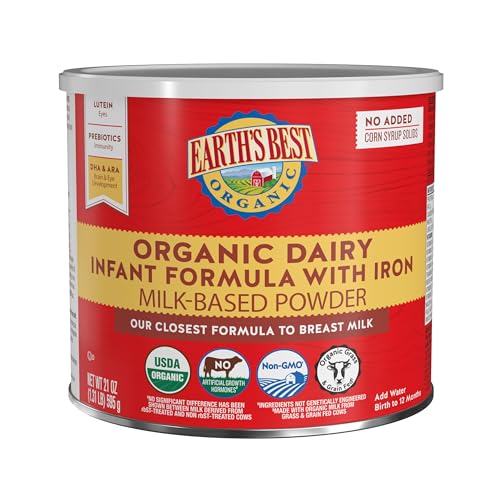
Earths Best, Organic Baby Formula, Dairy Infant Formula for Babies 0-12 Months, Milk-Based with Iron, Omega-3 DHA & Omega-6 ARA, 21 Ounce Container
Check price on Amazon
Similac 360 Total Care Made With Whole Milk, Ready-to-Feed Baby Formula 2oz and 32oz
Check price on Amazon
Bobbie Organic Baby Formula, Milk Based Powder, 24 Oz, 6 Pack | With Iron, DHA and Vitamin D, Modeled After Breast Milk, Organic Baby Formula for Newborn to 12 Months Old Infant
Check price on Amazon
Legendairy Milk Liquid Gold Organic Lactation Support, 60 Capsules | Organic goat's rue, milk thistle, shatavari and fennel provide fenugreek-free lactation and breast milk supply support
Check price on Amazon
Legendairy Milk Debittered Brewer's Yeast Powder Lactation Support 16 oz | Vegan, gluten-free, non-GMO brewer's yeast powder to support breast milk supply; ideal for lactation cookies and smoothies.
Check price on Amazon
Similac Advance Baby Formula Powder With Iron, Inspired by Breast Milk | Nutritionally Complete Infant Formula for Babies, Support for Brain & Eye Development, Easy to Digest, 30.8 oz value-size can
Check price on Amazon
Legendairy Milk Milkapalooza Lactation Supplement, Fenugreek-Free, 60ct | Organic Moringa, Fennel, Nettle, & Shatavari herbal blend naturally boosts breast milk supply & prolactin for nursing moms.
Check price on Amazon