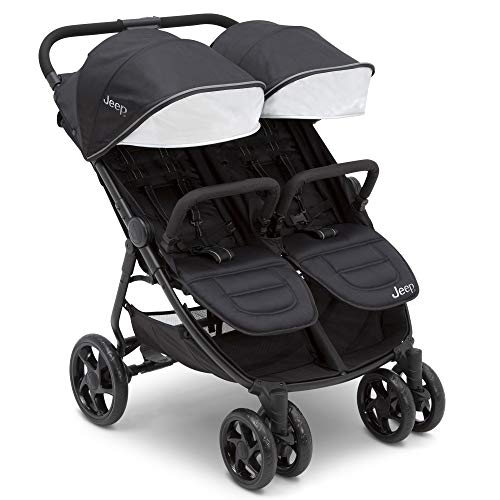
Lightweight Double Side by Side Stroller: The Complete Buying Guide
Everything you need to know before choosing a lightweight side by side double stroller. Compare fold systems, maneuverability, seat configurations, and real-world usability for twins or two young children.
What Is a Lightweight Double Side by Side Stroller?
A lightweight double side by side stroller places two seats next to each other rather than front to back. The "lightweight" designation typically refers to a frame and fabric combination that keeps the overall carry weight manageable while preserving the structural integrity needed for two children. These models are engineered for parents who need to transport two young children without the bulk of a full-size tandem or jogging stroller.
The side by side layout gives each child a similar view of the surroundings, which often reduces sibling conflict during outings. The lightweight construction usually involves aluminum or alloy frames, compact fold mechanisms, and streamlined canopies. Compared to full-featured double strollers, lightweight side by side models prioritize portability and quick setup over extensive storage or heavy-duty suspension.
Research tip: The term "lightweight" is relative within the double stroller category. A model that is lightweight for a double stroller may still weigh noticeably more than a single umbrella stroller. Always compare the actual carry weight against your personal lifting comfort and vehicle trunk space.
Why Parents Choose a Lightweight Side by Side Double Stroller
Parents researching this category usually have twins, a newborn and a toddler, or two children close in age. The decision often comes down to a few practical priorities:
- Equal seating: Both children get a comparable view and legroom, which can reduce disputes over who sits where.
- Quick fold and storage: Many lightweight side by side models fold compactly enough for a car trunk or a hallway closet.
- Maneuverability on flat surfaces: Swivel front wheels and a narrower frame than full-size double strollers make everyday errands easier.
- Travel readiness: Lighter models are easier to lift onto public transit and into vehicles, making them popular for families who travel frequently.
- Simplified setup: Fewer modular components mean less time assembling and disassembling during outings.
Families who need car seat compatibility may prefer a model with an integrated adapter system. For those requirements, explore options like a double side by side stroller with infant car seat compatibility, which combines the side by side layout with travel system functionality.
Key Features to Evaluate Before You Decide
Lightweight side by side strollers vary significantly in feature depth. The following criteria matter most during the research phase:
1. Fold Mechanism and Folded Footprint
A one-hand or two-step fold with an auto-lock latch is a major convenience. Check the folded dimensions against your vehicle trunk and home storage space. Some models feature a standing fold, which prevents the frame from resting on the canopy fabric.
2. Carry Weight and Frame Material
Aluminum frames are common in this category because they balance strength and low weight. Verify the carry weight listed by the manufacturer and consider how often you will lift the stroller—into a trunk, onto a bus, or up stairs.
3. Seat Recline and Newborn Suitability
Not all lightweight side by side strollers recline flat. If you need newborn use, look for a near-flat recline or a model that accepts a bassinet accessory. For parents planning from day one, a double stroller with bassinet option can extend usability in the early months.
4. Canopy Coverage and Ventilation
Independent canopies allow each child to have different sun coverage. Mesh panels improve airflow, which matters in warmer climates and during long outings.
5. Storage Basket and Accessibility
Side by side models often have a single wide basket underneath both seats. Check whether the basket is reachable when the seats are reclined and whether it can hold a diaper bag without sagging.
6. Wheel Type and Suspension
Swivel front wheels improve turning radius, while lockable front wheels help on uneven pavement. Lightweight models may have minimal suspension, so test push feel on the surfaces you encounter most often.
7. Harness and Safety Features
A five-point harness is standard for this category. Confirm that the harness is easy to adjust as children grow and that the buckles meet current safety standards in your region.
Fold & Portability
Prioritize a compact fold and a manageable carry weight if you frequently load the stroller into a vehicle.
Seat Comfort
Look for padded seats, adjustable leg rests, and reclining backrests that suit both infants and toddlers.
Maneuverability
Swivel front wheels and a balanced frame make tight turns and aisle navigation easier.
Weather Protection
Independent canopies with UPF-rated fabric and mesh ventilation keep children comfortable outdoors.
Market Tiers Explained
To compare models without relying on numeric figures, this guide uses universal tier descriptors based on relative market positioning. The same classification is applied consistently throughout the article:
- Entry-level — Basic fold, essential harness, minimal accessories. Suitable for occasional errands and budget-conscious households.
- Mid-range — Improved fold mechanism, better fabrics, independent canopies, and more consistent wheel performance. A balanced choice for everyday use.
- Premium — Refined push feel, more durable frame construction, and thoughtful details like parent consoles and larger baskets.
- Luxury — Top-tier materials, polished fold systems, and extensive accessory compatibility. Positioned for families who prioritize long-term investment and premium finish.
Within each tier, models can still differ in specific features. For example, a mid-range model may offer a better canopy than an entry-level model from the same brand, while a premium model may add a more sophisticated suspension system. Comparing within tiers keeps the evaluation fair.
Feature Comparison Overview
The table below summarizes how typical models in each tier tend to differ. Use it as a framework when reading individual product listings.
| Feature | Entry-level | Mid-range | Premium / Luxury |
|---|---|---|---|
| Fold mechanism | Manual two-step fold | One-hand or assisted fold | Refined one-hand fold with standing position |
| Frame material | Standard alloy | Reinforced aluminum | High-grade aluminum or composite blend |
| Canopy | Shared or basic canopy | Independent canopies | Independent canopies with extended coverage |
| Wheels | Basic swivel front wheels | Swivel with lock and improved tread | Suspended or all-surface wheels |
| Storage | Small under-seat basket | Medium basket with easier access | Large basket plus parent console |
| Accessory compatibility | Limited | Moderate (cup holders, rain cover) | Extensive (bassinet, car seat adapters) |
| Best for | Occasional use and simple errands | Daily errands and suburban use | Frequent travel and long-term use |
For families who need to accommodate different seating preferences, a double stroller with reversible seats may be worth considering even though it is not always lightweight. The trade-off between versatility and portability is central to this category.
Best Use Cases for a Lightweight Side by Side Double Stroller
This style excels in specific scenarios and is less suitable in others. Understanding the fit helps you avoid a purchase that does not match your daily routine.
Where It Excels
- Urban errands: Narrow sidewalks, shop aisles, and quick trips benefit from a compact frame and swivel wheels.
- Travel and transit: A lighter stroller is easier to lift onto buses, trains, and into rental cars. Models with a travel bag are especially convenient.
- Twins and close-in-age siblings: Equal seating keeps both children engaged and reduces conflict.
- Families with limited storage: A compact fold fits into closets and small entryways more easily than a full-size tandem.
Where It May Not Fit
- Rough terrain: Lightweight models generally lack the suspension and tire size needed for gravel, trails, or uneven ground. For those conditions, an all-terrain double stroller is more appropriate.
- Heavy cargo: Small baskets limit how much gear you can carry. Families who need extensive storage may prefer a larger model.
- Doorway width: Side by side frames can be wider than standard doorways, so measure your home and frequent destinations before choosing.
- Jogging: Lightweight side by side strollers are not designed for running. A dedicated double jogging stroller with infant seat is the safer choice for active parents.
Safety and Compliance Checklist
Before finalizing a choice, verify the following safety-related items:
- Five-point harness: Confirm that both seats have independently adjustable five-point harnesses.
- Brake system: A foot-operated parking brake that locks both rear wheels is essential for loading and unloading children.
- Stability: A wider wheelbase and a low center of gravity improve stability, especially when one seat is empty.
- Fabric and flame standards: Check that the fabric meets applicable flammability and chemical safety regulations in your region.
- Recall awareness: Register the product with the manufacturer so you receive recall notifications.
- Weight limits: Each seat has its own maximum child weight and height. Confirm these against your children's current and projected size.
Important: Always follow the manufacturer's minimum age and recline recommendations. Newborn use may require a bassinet or car seat adapter. Never modify the stroller or use accessories that are not approved for the specific model.
Practical Buying Tips
Use these guidelines to narrow your shortlist and avoid common mistakes:
- Measure your daily routes: Check doorway widths at home, your pediatrician's office, and frequent stores. Compare those measurements against the stroller's stated width.
- Test the fold in person if possible: A fold that looks simple in a video may require more force in practice, especially when holding a child.
- Consider the carry weight against your routine: If you lift the stroller daily, a lighter model may justify a higher tier.
- Plan for both children's growth: Check the maximum seat height and weight so the stroller remains usable as children grow.
- Review accessory compatibility: If you need car seat integration, confirm the specific adapter model and compatible car seat brands. A double stroller with car seat adapter may be a more practical route than buying a dedicated travel system.
- Read recent owner feedback: Look for consistent comments about wheel wear, fabric durability, and fold reliability rather than isolated reviews.
For parents who need a car seat connection from day one, a dedicated double stroller travel system with car seat can simplify the setup, while families who prefer flexibility may lean toward a model with a universal adapter. Understanding the difference between an integrated attachment system and a universal adapter helps you avoid compatibility surprises.
Frequently Asked Questions
Are lightweight side by side double strollers easy to maneuver in tight spaces?
Many models feature narrow frames and swivel front wheels that make navigating aisles and doorways manageable. However, they are generally wider than tandem strollers, so checking the actual width measurement against your daily routes is essential before choosing one.
What should I look for in a lightweight double stroller for travel?
Prioritize a compact one-hand fold, a low carry weight, and a standing fold that fits into a vehicle trunk. Features like a travel bag, auto-lock latch, and quick-release wheels add convenience for air travel and public transit.
Can a lightweight side by side double stroller accommodate newborns?
Some models offer near-flat recline suitable for newborns, while others require a bassinet accessory or infant car seat adapter. Always verify the minimum age and recline specifications from the manufacturer before using it with a newborn.
How does a side by side stroller compare to a tandem stroller for two children?
Side by side models give each child equal legroom and a similar view, while tandem models are often narrower for doorways. The right choice depends on your daily environment, storage space, and whether you prioritize equal seating or a narrow footprint.
Do lightweight double strollers work well on uneven pavement?
They handle short stretches of uneven pavement, but they are not designed for sustained rough terrain. If you frequently walk on gravel or trails, consider a model with larger wheels or an all-terrain design.
Final Thoughts
A lightweight double side by side stroller is a strong fit for families who value equal seating, compact storage, and everyday maneuverability. The key is to match the tier and feature set to your daily routine rather than relying on a single specification. Measure your routes, confirm newborn suitability, and verify safety features before deciding. With the right model, this stroller style can simplify outings for twins and close-in-age siblings while remaining practical for travel and urban living.