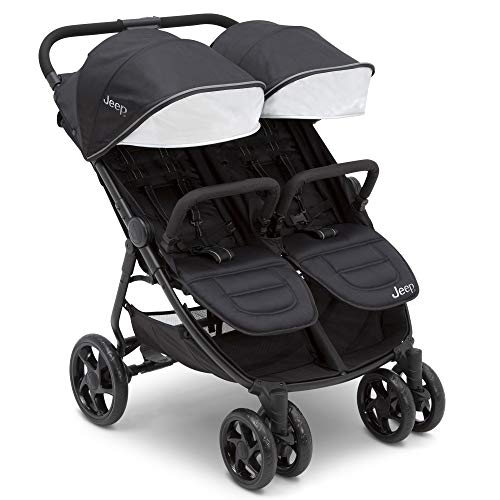
Double Stroller with All Terrain Wheels: The Complete Buying Guide
Everything active families need to know about choosing a rugged double stroller that handles trails, gravel, grass, and city streets with confidence.
Buying Guide · Features · Safety · ComparisonsWhy this guide matters: If you are researching a double stroller with all terrain wheels, you already know that standard strollers often struggle on uneven ground. This guide walks you through wheel construction, suspension systems, frame durability, seating configurations, and safety features so you can decide with clarity and confidence.
What Makes an All Terrain Double Stroller Different
A double stroller built for all terrain use is engineered around three core pillars: large air-filled or foam-filled wheels, a robust suspension system, and a reinforced frame. Unlike lightweight umbrella models designed for smooth pavements, an all terrain double stroller is built to absorb shocks from roots, rocks, and curbs while keeping both children comfortable.
Most families arrive at this category because they enjoy hiking, live near parks with unpaved paths, or simply want a stroller that does not rattle apart after a season of daily use. The difference is visible in the wheel diameter, the tread pattern, and the way the frame distributes weight across both axles.
Wheel Size and Construction
All terrain wheels typically range from about 12 inches on front swivel wheels to 16 inches or more on the rear. Larger wheels roll over obstacles more easily and provide better traction. Air-filled tires deliver the smoothest ride but require occasional inflation and carry a puncture risk, while foam-filled tires are maintenance-free yet slightly firmer. Many premium models combine a lockable front swivel wheel with large rear wheels to balance maneuverability and stability.
Suspension Systems
Independent suspension on each wheel is the hallmark of a high-end tier all terrain double stroller. Four-wheel suspension keeps the seats level when one wheel hits a bump, which matters greatly when one child is asleep. Entry-level models often use only rear suspension, while balanced tier models add front suspension for a noticeable improvement on gravel.
Frame and Fabric Durability
High-grade aluminum frames with reinforced joints resist flexing on uneven ground. Look for weather-resistant coatings, rust-proof hardware, and fabrics that can be wiped clean after muddy outings. Heavy-duty construction is especially important for side-by-side configurations, where the wider footprint places more torsional stress on the frame.
Key Features to Evaluate Before You Decide
Beyond wheels and suspension, several features separate a stroller that works for your family from one that frustrates you on the first trail outing.
Seat Recline and Support
Multiple recline positions — ideally near-flat for newborns — keep children comfortable on long walks. Firm seat backs offer better posture support.
Braking System
A foot-operated rear brake with a hand brake on premium models is essential on slopes. Test that the brake engages firmly on loose surfaces.
Canopy Coverage
Extendable canopies with UPF protection shield both children from sun and wind. Independent canopies allow each child their own shade.
Storage and Accessibility
A large under-seat basket with a high weight limit is valuable on day trips. Easy-access pockets and cup holders add daily convenience.
Folding Mechanism
A one-hand or standing fold simplifies transport and storage. Check the folded footprint against your vehicle trunk and hallway width.
Weight and Maneuverability
All terrain models are heavier by design. Look for a weight distribution that lets you push and turn with one hand when needed.
Side-by-Side vs. Tandem Configurations
All terrain double strollers generally fall into two seating layouts. Side-by-side models give each child equal legroom and a clear view, which reduces squabbles, but the wider footprint can be challenging in narrow doorways. Tandem models place seats front-to-back, making them easier to navigate in tight spaces, though the rear seat sometimes has less recline range and a narrower view.
For trail use, side-by-side designs often track better because weight is balanced evenly across the axle. If you frequently shop in older stores with narrow aisles, a tandem all terrain model may suit you better. A related option worth exploring is a side-by-side double stroller that is lightweight, which trades some ruggedness for easier daily handling.
Comparing Configurations at a Glance
| Configuration | Best For | Typical Tier | Trade-Off |
|---|---|---|---|
| Side-by-side, fixed rear axle | Trails, parks, uneven ground | Mid-tier to high-end tier | Wider footprint in shops |
| Side-by-side, swivel front wheel | Mixed city and light trail use | Balanced tier | Less stable at speed off-road |
| Tandem, all terrain wheels | Narrow aisles with occasional trails | Mid-range | Rear seat recline may be limited |
| Jogging-style with hand brake | Running and fast walking | Professional-grade | Heavier and bulkier to store |
Safety Considerations for Off-Road Use
All terrain use introduces stability questions that pavement strollers rarely face. Keep these points in mind:
- Five-point harnesses for both seats are non-negotiable. A child who can lean forward on a bumpy path needs full restraint.
- Lockable front wheels reduce wandering on straight trails and improve tracking at walking pace.
- A reliable parking brake should be engaged whenever you stop, even briefly, on any incline.
- Weight limits per seat matter more on rugged terrain because the frame bears dynamic loads from bumps.
- Reflective elements and a wrist strap on jogging-style models add control and visibility.
If your children are at different stages, you may want a setup that accommodates a car seat for the younger child. Models that accept an infant carrier are covered in our guide to a double stroller with a car seat adapter, and families expecting twins should review options for a double stroller with car seat for twins.
Who Should Choose an All Terrain Double Stroller
This category is the right fit if you answer yes to most of the following:
- You walk on gravel, grass, dirt paths, or snow at least once a week.
- You want one stroller that serves both neighborhood strolls and weekend hikes.
- You prefer durable construction over the lightest possible frame.
- You have two children close in age or twins who will ride together for several years.
- You value a smooth ride that helps children stay asleep on uneven ground.
If your routine is mostly indoor shopping and smooth sidewalks, a lighter side-by-side or umbrella model may serve you well without the extra weight. For families that need flexibility with an infant carrier, an all terrain double stroller travel system with car seat combines rugged wheels with quick car-to-stroller transitions.
Practical Tips for Testing Before You Commit
Whenever possible, push the stroller on a rough surface in person. Check whether the front wheel shimmies at walking speed, how much effort a turn requires with two children aboard, and whether the brake holds on a slope. Fold and unfold it several times to judge the mechanism, and lift it to feel the weight distribution. If you plan to use a standing platform for an older child, confirm compatibility with a double stroller with standing platform before finalizing your choice.
Ready to Compare Your Options?
Explore recommended all terrain double strollers and check current availability from our curated product list below.
View Top PicksFrequently Asked Questions
Are air-filled tires better than foam-filled tires for trails?
Air-filled tires absorb bumps more effectively and offer superior traction on loose surfaces. Foam-filled tires are puncture-proof and maintenance-free but transmit more vibration. For frequent trail use, air-filled is generally preferred; for occasional off-road trips, foam-filled is a practical compromise.
Can an all terrain double stroller fit in a standard car trunk?
Many models fold compactly enough for a mid-size SUV or larger sedan trunk, but the folded footprint varies widely. Measure your trunk opening and compare it with the manufacturer's folded dimensions before deciding. Standing folds and removable wheels help on tighter vehicles.
Is a hand brake necessary on an all terrain double stroller?
A hand brake is strongly recommended if you walk on hills or jog. It gives you controlled deceleration on descents. For flat neighborhood use, a well-designed foot brake is usually sufficient.
How long can two children use one all terrain double stroller?
Most models support each child up to around 50 pounds per seat, and many families use them for three to four years. Check the per-seat weight limit and the total capacity, since rugged terrain places additional stress on the frame.
Bottom line: A double stroller with all terrain wheels is an investment in outdoor freedom for your family. Prioritize suspension quality, wheel construction, and harness safety over cosmetic features, and confirm the folded size fits your vehicle. With those fundamentals in place, you will have a stroller that keeps both children comfortable across years of adventures.