Diaper Rash Cream for Adults: The Complete Buying Guide
Learn how to choose the right barrier cream for adult incontinence irritation — compare zinc oxide strengths, yeast-infection formulas, sensitive-skin options, and application techniques before you buy.
Why Adults Need Diaper Rash Cream
Diaper rash is not limited to infants. Adults who manage incontinence — whether due to age, post-surgical recovery, limited mobility, or neurological conditions — face the same combination of trapped moisture, friction, and skin irritation that causes diaper rash in babies. Adult skin can be thinner and more fragile, so prolonged exposure to wetness and urine or stool can quickly lead to redness, burning, and breakdown.
Adult diaper rash cream serves a different role than general body lotion. It creates a physical moisture barrier, reduces friction between skin and incontinence products, and helps soothe already-irritated skin. Without consistent barrier protection, minor redness can progress to painful excoriation and increase the risk of secondary fungal or bacterial infection.
Choosing a product designed for adult use means considering larger packaging, higher zinc oxide concentrations, and ingredients suited to the longer wear times typical of adult incontinence products. For a broader look at prevention and skin-care routines, see our guide on diapers for sensitive skin, which covers how absorbent products interact with fragile skin.
How Adult Diaper Rash Cream Works
Most adult diaper rash creams fall into two functional categories: barrier protectants and treatment creams. Barrier protectants rely on zinc oxide or petrolatum to form an occlusive layer that keeps moisture away from skin. Treatment creams add active ingredients such as antifungal agents (clotrimazole, miconazole) or mild astringents to address suspected infections or excessive moisture.
The protective layer must remain intact between changes. That is why thicker, more occlusive formulas are generally preferred for adult incontinence: they resist being wiped away by urine and stay in place during longer wear intervals. A well-formulated cream should spread without excessive drag, adhere to damp skin, and be easy to remove during cleaning without aggressive scrubbing.
Key Ingredients to Look For
Understanding the ingredient label helps you match a cream to the specific problem you are managing. The table below summarizes the most common active and supporting ingredients in adult diaper rash creams.
| Ingredient | Function | Best For |
|---|---|---|
| Zinc oxide (10–40%) | Occlusive barrier; mild astringent | Daily prevention and moderate irritation |
| Petrolatum / white petrolatum | Moisture seal; reduces friction | Very dry or cracked skin; overnight protection |
| Dimethicone | Skin protectant; water repellent | Sensitive skin; lightweight daily use |
| Clotrimazole / miconazole | Antifungal | Suspected yeast-related rash |
| Calendula / bisabolol | Soothing botanical | Mild redness and comfort |
| Panthenol (provitamin B5) | Humectant; supports skin repair | Compromised or healing skin |
Higher zinc oxide concentrations generally provide a denser barrier, which is useful for severe or recurrent irritation. Lower concentrations feel lighter and spread more easily, making them suitable for daily maintenance. For a deeper comparison of zinc-based formulas, see our guide on diaper rash cream with zinc oxide.
Types of Adult Diaper Rash Cream
Barrier Ointments
Ointments are the most occlusive option, typically petrolatum-based with or without zinc oxide. They are ideal for overnight wear or for skin that is already cracked and raw. Because they are thick, they require more thorough cleaning between applications to avoid buildup.
Barrier Creams
Creams combine water and oil phases, making them easier to spread while still delivering meaningful protection. Mid-range zinc oxide creams (often around 10–20%) are the most common choice for routine adult incontinence care because they balance protection with comfort.
Pastes
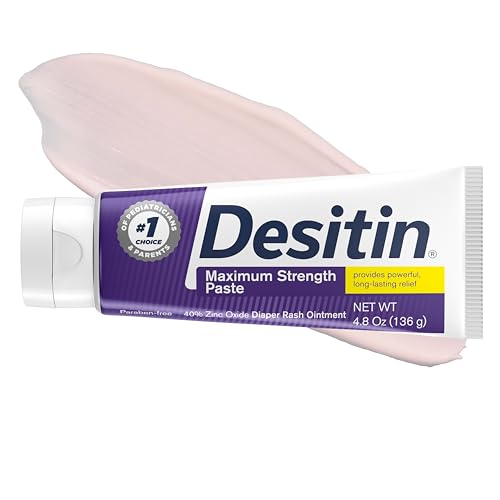
Pastes contain a high proportion of powder (usually zinc oxide) suspended in a thick base. They adhere strongly and resist wash-off, which suits severe irritation and long wear times. Pastes can be more difficult to remove and are best used when a durable barrier is the priority.
Treatment Creams
These include an antifungal or antibacterial active ingredient and are intended for suspected infections rather than routine prevention. If you are unsure whether a rash is fungal, a doctor or pharmacist can help confirm before you commit to a treatment formula. Our article on diaper rash cream for yeast infection explains the signs to watch for.
Tier Comparison: Entry-Level to Premium
Adult diaper rash creams can be grouped into quality tiers based on formulation complexity, ingredient sourcing, and specialized features. The descriptors below are relative and help you compare options within the category.
| Tier | Typical Characteristics | Best For |
|---|---|---|
| Entry-level | Basic zinc oxide or petrolatum barrier; simple ingredient list | Occasional irritation; straightforward daily prevention |
| Mid-range | Higher zinc oxide concentration; added soothing agents; better spreadability | Frequent incontinence care; moderate redness |
| Premium | Refined texture; sensitive-skin tested; added panthenol or botanicals; larger formats | Fragile or reactive skin; long-term daily use |
| Specialized | Antifungal actives or clinically oriented formulas | Suspected yeast or secondary infection (with medical guidance) |
Higher tiers typically offer smoother application and more elegant textures, while entry-level formulas focus on dependable barrier function with fewer supporting ingredients. For most adults managing routine incontinence, a mid-range cream provides a solid balance of protection and comfort.
Choosing for Sensitive Skin
Adults with sensitive or reactive skin should look for fragrance-free, dye-free formulas with short ingredient lists. Dimethicone-based protectants are often well tolerated because they are lightweight and less occlusive than heavy ointments. Avoid products containing botanical fragrances, essential oils, or alcohol, which can sting compromised skin.
If you have reacted poorly to standard zinc creams in the past, a fragrance-free barrier cream with panthenol or colloidal oatmeal may be more comfortable. Our dedicated guide on diaper rash cream for sensitive skin covers patch-testing and ingredient avoidance in more detail.
When Yeast Infection Is Suspected
Yeast-related rashes tend to appear as bright red, sharply bordered patches with satellite spots, and they often worsen despite consistent barrier cream use. In these cases, a plain barrier cream will not resolve the underlying fungal overgrowth. An antifungal cream containing clotrimazole or miconazole is typically needed, and a healthcare provider should confirm the diagnosis if symptoms persist or recur.
Do not combine multiple treatment creams without advice, as some ingredients can inactivate each other or irritate skin further. For a full breakdown of symptoms and treatment options, see diaper rash cream for yeast infection.
How to Apply Adult Diaper Rash Cream Correctly
- Clean gently. Use a soft cloth or fragrance-free wipe, and avoid rubbing. Pat the skin dry rather than scrubbing.
- Dry completely. Allow the skin to air-dry for a minute before applying cream; trapped moisture undermines the barrier.
- Apply a thin, even layer. A visible but not thick coating is enough. Thick globs can prevent the skin from breathing and complicate cleaning.
- Reapply at every change. Consistency matters more than quantity. Reapply after each incontinence product change or cleaning.
- Clean between applications. Remove old cream gently with a soft cloth and lukewarm water; avoid harsh soaps.
- Monitor progress. If irritation worsens or does not improve within a few days, consult a healthcare provider.
For a broader view of diapering routines and comfort, our diaper rash guide covers prevention habits that apply to both adults and infants.
Prevention Routine
Barrier cream is most effective as part of a consistent routine. Change incontinence products promptly, keep skin clean and dry, and choose breathable products where possible. Avoiding excessive heat and friction, and using a barrier cream at every change, significantly reduces the likelihood of recurrent irritation.
If you are also selecting absorbent products, our guide on diapers for sensitive skin explains how material choice and fit affect skin health. For caregivers managing both infant and adult skin care, the principles of gentle cleansing and consistent barrier protection are the same.
Frequently Asked Questions
Can adults use baby diaper rash cream?
Yes, most baby diaper rash creams are safe for adults because the active ingredients — typically zinc oxide or petrolatum — work the same way on adult skin. However, adults often benefit from formulas with higher zinc oxide concentrations, larger packaging, and ingredients targeted at incontinence-related irritation.
How often should adult diaper rash cream be applied?
Apply a thin, even layer at every diaper or incontinence product change, or as directed by a healthcare provider. Reapply after each cleaning to maintain a continuous moisture barrier. If the rash does not improve within a few days, consult a doctor.
What is the difference between a barrier cream and a treatment cream?
Barrier creams, usually zinc oxide or petrolatum based, protect skin from moisture and friction. Treatment creams may add antifungal or antibacterial ingredients for yeast infections or secondary infections. Choose a barrier cream for prevention and a treatment cream when infection is suspected.
When should I see a doctor for adult diaper rash?
See a doctor if the rash is severe, painful, spreading, blistering, or accompanied by fever. Also seek medical advice if the rash does not improve after several days of consistent barrier cream use, or if you suspect a yeast or bacterial infection.