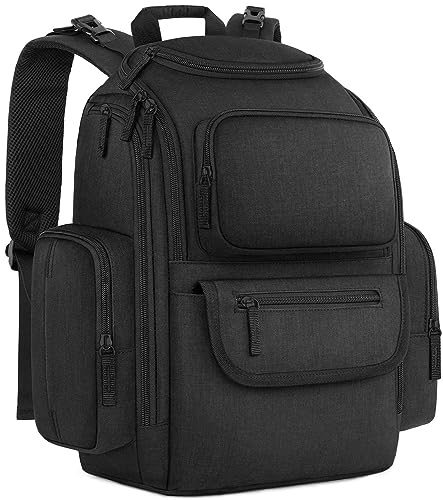
Diaper Backpack with Insulated Compartment: Keep Bottles Ready Anytime
A well-designed diaper backpack with insulated compartment combines hands-free convenience with temperature-controlled storage, so you can feed your baby on the go without compromise.
EXPLORE THE GUIDEWhy this guide matters: Parents who spend long hours outside the home need a reliable way to keep milk or formula at a safe temperature. A diaper backpack with an insulated compartment solves this problem by merging a hands-free carrying design with a thermally lined pocket. Below, you will learn what to look for, how these bags compare across quality tiers, and which features genuinely matter for daily use.
What Is a Diaper Backpack with Insulated Compartment?
A diaper backpack with insulated compartment is a hands-free carrying bag designed for parents, featuring a dedicated thermally lined pocket that holds baby bottles and keeps their contents warm or cool. Unlike standard diaper bags, these backpacks distribute weight evenly across both shoulders while offering a temperature-controlled zone for feeding essentials. Most models also include a changing pad, multiple organizer pockets, and a wipeable exterior.
The insulated compartment typically sits on the side or front of the backpack, making it accessible without unpacking the entire bag. This design is especially useful for parents who use formula or expressed breast milk and need to maintain safe feeding temperatures during outings. If you are also exploring bags that keep items chilled, the diaper backpack with cooler compartment is a closely related option worth considering.
Key Features That Define a Great Insulated Diaper Backpack
Not all insulated compartments are built to the same standard. The quality of the thermal lining, the number of organizer pockets, and the comfort of the shoulder straps vary significantly across the market. The grid below breaks down the features that matter most.
Thermal Lining Quality
The insulated pocket should use a food-safe, foil-backed or foam-lined material. Entry-level models often use a single thin layer, while mid-range and premium options feature double-wall insulation that holds temperature for three to four hours.
Dedicated Bottle Sleeves
Look for elastic or padded sleeves inside the insulated area that prevent bottles from tipping. Sleeves sized for both narrow and wide-neck bottles add versatility for different feeding setups.
Hands-Free Backpack Straps
Padded, adjustable shoulder straps with a sternum clip distribute weight evenly and reduce shoulder fatigue during long walks or airport travel. Breathable mesh backing helps with airflow.
Changing Pad Included
Most models include a fold-out changing pad stored in an exterior pocket. Wipeable, cushioned pads are more practical than thin fabric versions, especially for public restroom use.
Multiple Organizer Compartments
A good bag separates diapers, wipes, clothing, and feeding gear. If you prefer maximum organization, explore the diaper bag with lots of compartments for a deeper look at layout options.
Wipeable and Water-Resistant Exterior
Spills and spit-up are inevitable. A water-resistant outer fabric with reinforced stitching ensures the bag stays clean and holds up over years of use.
Quality Tiers: Finding the Right Fit for Your Needs
Rather than framing choices around numerical figures, it helps to classify diaper backpacks by their market positioning and build quality. The table below uses a three-tier system that applies universally across brands.
| Tier | Best For | Typical Features |
|---|---|---|
| Entry-Level | Occasional outings and short trips | Single-layer insulated pocket, basic shoulder padding, one or two organizer pockets, foldable changing pad |
| Mid-Range | Daily use and working parents | Double-wall insulation, multiple bottle sleeves, padded mesh straps, water-resistant exterior, dedicated wipes dispenser |
| Premium / High-End Tier | Frequent travel and long-day outings | Thick thermal lining with extended temperature retention, ergonomic frame, stroller straps, reinforced stitching, laptop sleeve |
| Luxury Tier | Style-conscious parents and gifting | Designer fabric, leather accents, premium hardware, superior insulation, structured shape that holds form |
When comparing tiers, keep in mind that a mid-range model usually offers noticeably better insulation and strap comfort than an entry-level option, while a premium model focuses on extended temperature retention and long-term durability. Choose the tier that matches how often you leave the house with your baby and how long those outings typically last.
Practical Benefits for Everyday Parenting
The insulated compartment is more than a convenience — it directly supports safe feeding practices. Breast milk and formula should not sit at room temperature for extended periods, and an insulated pocket helps maintain a safe range during commutes, errands, and day trips.
Beyond temperature control, a backpack design keeps both hands free, which is essential when carrying a baby or holding a toddler's hand. The balanced weight distribution also reduces strain compared to single-shoulder diaper bags. For parents who want a bag that doubles as a changing station, the diaper backpack with changing station is a natural companion feature to the insulated pocket.
Advantages
- Keeps bottles at a safe temperature for hours
- Hands-free carrying with balanced shoulder support
- Organized storage for diapers, wipes, and clothing
- Often includes a changing pad and stroller straps
- Discreet design that does not look like a traditional diaper bag
Limitations to Consider
- Insulated pockets take up space that could hold other items
- Most models are not fully machine washable
- Temperature retention varies by tier and external conditions
- Backpacks can feel bulky when fully packed
Buying Checklist: What to Verify Before You Choose
Use this checklist to evaluate any diaper backpack with insulated compartment before making a decision. Each point addresses a practical concern that parents commonly overlook.
Insulation & Feeding
- Confirm the insulated pocket is food-safe and easy to wipe clean.
- Check whether bottle sleeves accommodate both narrow and wide-neck bottles.
- Verify the thermal lining thickness — thicker linings retain temperature longer.
- Ensure the insulated compartment is separate from the diaper storage area for hygiene.
Comfort & Carry
- Look for padded shoulder straps with a sternum clip for weight distribution.
- Check for breathable mesh backing to reduce sweat during long wear.
- Confirm the bag has a top grab handle for quick lifting.
- Verify stroller straps are included if you plan to attach the bag to a stroller.
Organization & Durability
- Count the organizer pockets — more pockets reduce digging time.
- Confirm the exterior is water-resistant and wipeable.
- Check for reinforced stitching at stress points like strap anchors.
- Verify the changing pad is cushioned and wipeable.
How to Get the Most from Your Insulated Diaper Backpack
Proper use extends the life of the bag and maximizes the performance of the insulated compartment. Follow these practical tips:
Pre-chill or pre-warm the pocket. Placing a small ice pack or a warm water bottle in the insulated compartment for a few minutes before loading it helps the lining reach the desired temperature faster.
Pack bottles upright. Use the dedicated sleeves to keep bottles vertical, reducing the risk of leaks and spills inside the bag.
Clean the insulated pocket after each use. Wipe the lining with a damp cloth and mild soap, then air-dry fully before storing bottles again. This prevents odor buildup and mold growth.
Rotate your packing layout. Keep diapers and wipes in the rear compartment and feeding gear in the front or side insulated pocket. This separation makes diaper changes faster and keeps food items hygienic. For more ideas on organizing your gear, see our guide to storage solutions.
Related Diaper Bag Styles Worth Exploring
If you are still weighing your options, several related styles may suit your routine better. A diaper bag backpack offers the same hands-free design without the insulated pocket, which may appeal if you carry bottles separately. The diaper bag with insulated compartment is a tote-style alternative that some parents prefer for stroller hanging. For those who want a complete changing setup on the go, the diaper bag that turns into a changing table combines multiple functions in one unit.
Parents who prioritize a streamlined look might also enjoy the diaper bag that doesn't look like one, which blends insulated storage with a minimalist exterior. Each of these options serves a slightly different use case, so consider how you travel and what you carry most often.
Ready to Choose Your Insulated Diaper Backpack?
Browse our curated selection of diaper backpacks with insulated compartments and find the model that fits your daily routine.
VIEW RECOMMENDED OPTIONSFrequently Asked Questions
What makes a diaper backpack with insulated compartment different from a regular diaper bag?
A diaper backpack with insulated compartment includes a thermally lined pocket designed to keep baby bottles at the right temperature for hours. This feature sets it apart from standard diaper bags, which lack temperature-controlled storage.
How long does an insulated compartment keep bottles warm or cold?
Most mid-range and premium insulated compartments maintain temperature for two to four hours, depending on the bag's thermal lining quality and external conditions. Higher-end models with thicker insulation can extend this window further.
Can I use a diaper backpack with insulated compartment for formula feeding?
Yes. The insulated compartment is ideal for keeping prepared formula warm or storing chilled breast milk. Many parents also use it to carry water for mixing formula on the go.
Is a diaper backpack with insulated compartment machine washable?
Most models are not fully machine washable due to the insulated lining and structured frame. Spot cleaning with a damp cloth and mild detergent is the recommended care method. Some entry-level models with removable liners may be partially washable.