Crib Size Bed Guide: Everything You Need to Know
Choosing the right crib size bed is one of the most important decisions for your baby's safety and comfort. Learn about standard dimensions, mattress types, and when to transition to a toddler bed.
Shop Recommended CribsA crib size bed is the centerpiece of any nursery. But with so many options, it's easy to feel overwhelmed. This guide covers everything from standard crib mattress dimensions to safety standards, helping you make an informed choice. Whether you're a first-time parent or upgrading for a growing toddler, we've got you covered.
Quick Answer: A standard crib mattress measures 28 inches x 52 inches (71 cm x 132 cm). This size is regulated by the CPSC to ensure a snug fit and reduce the risk of entrapment. Always measure your crib before purchasing a mattress.
Standard Crib Size Bed Dimensions
The most common crib size in the US is the full-size crib, which accommodates a mattress measuring 28" x 52". This is the industry standard and fits most cribs sold today. Mini cribs and portable cribs have smaller dimensions, usually 24" x 38".
Full-Size Crib
Standard for most cribs
$150–$400Mini Crib
Ideal for small spaces
$100–$250Portable Crib
Great for travel
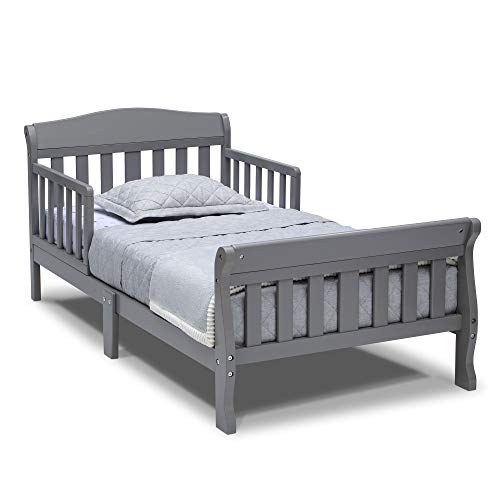
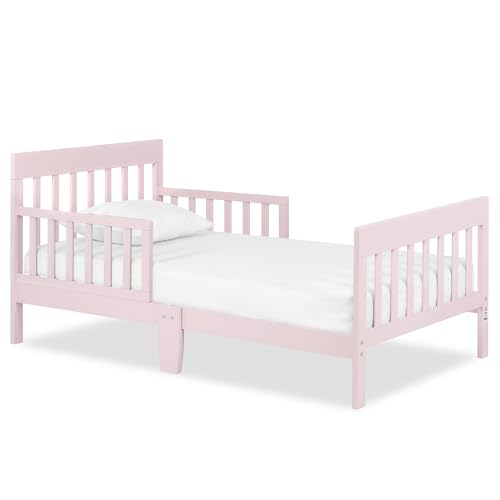
$80–$200Toddler Bed
Same as crib, lower to ground
$100–$300Choosing the Right Crib Mattress
The mattress is just as important as the crib itself. A firm, well-fitting mattress reduces the risk of SIDS and provides proper spinal support. Here are the main types:
- Innerspring: Durable and supportive, with a coil count of 135–160 for a standard crib. Prices range from $80–$200.
- Foam: Lightweight and affordable, made of high-density polyurethane. Look for CertiPUR-US certified foam. $50–$150.
- Organic/Natural: Made from organic cotton, wool, or latex. Free from harmful chemicals. $200–$400+.
Always check for a snug fit: the gap between mattress and crib should be less than two fingers (about 1 inch).
Safety Guidelines for Crib Size Beds
Crib Safety Checklist
- Mattress fits snugly with no gaps
- No soft bedding, pillows, or bumpers
- Slats are no more than 2 3/8 inches apart
- Crib meets CPSC and ASTM safety standards
- Corner posts are flush or under 1/16 inch
- Drop-side cribs are banned – avoid them
For more safety tips, check our guides on baby furniture and crib mattress selection.
Transitioning from Crib to Toddler Bed
Most children move to a toddler bed between 18 months and 3 years. Signs your child is ready:
- Climbing out of the crib
- Asking for a "big kid" bed
- Outgrowing the crib (height or weight limits)
A toddler bed uses the same mattress size as a standard crib (28" x 52"), making the transition seamless. Many cribs convert into toddler beds with a conversion kit – a cost-effective option.
What to Look for When Buying a Crib Size Bed
When shopping for a crib, consider these factors:
- Material: Solid wood is durable, while MDF is more affordable.
- Convertibility: 3-in-1 or 4-in-1 cribs grow with your child.
- Adjustable mattress height: Lower as baby grows.
- Style & finish: Choose one that matches your nursery decor.
If you're on a budget, consider a portable crib or a kids twin bed for older toddlers.
Ready to Choose the Perfect Crib?
We've curated the best cribs, mattresses, and accessories to help you create a safe and stylish nursery.
Explore Our Top PicksIf you're also looking for a nursery dresser or a changing table, we have complete guides to help you set up the perfect room. And don't forget to check our baby bassinet recommendations for the first few months.
For travel, consider a travel stroller or travel car seat. If you're looking for gifts, see our baby girl gifts and baby boy gifts guides.
New parents often wonder about baby essentials and newborn diapers. We also cover breastfeeding and nursing pillow options.