Finding the Perfect Daycare Center
Your comprehensive guide to choosing a safe, nurturing, and educational childcare environment for your little one.
Choosing a daycare center is one of the most important decisions you'll make as a parent. It's not just about finding a place to watch your child—it's about finding a second home where they can learn, grow, and thrive. Whether you're returning to work or simply seeking a structured environment for your toddler, this guide covers everything you need to know about selecting the best daycare center for your family's needs.
Types of Daycare Centers
🏫 Childcare Centers
Licensed facilities that care for children from infancy through preschool. They follow state regulations, offer structured curricula, and often have multiple classrooms by age group. Ideal for working parents seeking full-time, reliable care.
🏡 Family Daycare Homes
Smaller, home-based settings with a more intimate environment. Usually licensed for a limited number of children, they offer flexible hours and a family-like atmosphere. Great for infants and toddlers who need extra personal attention.
🌱 Montessori & Specialized Programs
These centers follow specific educational philosophies like Montessori, Reggio Emilia, or Waldorf. They emphasize child-led learning, creativity, and hands-on exploration. Best for parents who value a particular educational approach.
🧸 Employer-Sponsored & On-Site Care
Some companies offer on-site daycare or partner with nearby centers to provide convenient care for employees. This can reduce commute stress and allow for easier visits during breaks.
Understanding Daycare Costs
Daycare costs vary widely based on location, type of facility, and age of your child. On average, infant care is the most expensive due to lower staff-to-child ratios. For a full-time center-based program, expect to pay between $800–$2,500 per month. Family daycare homes may be more affordable, while specialized programs like Montessori often command a premium. Many centers offer part-time or drop-in options, which can help manage your budget. Don't forget to ask about registration fees, supply fees, and whether meals and snacks are included. Some employers offer dependent care flexible spending accounts (FSAs) or other benefits that can offset costs. Also, explore financial assistance programs or subsidies available in your state.
Safety & Licensing: What to Look For
Safety should be your top priority. All reputable daycare centers must be licensed by the state and follow strict health and safety regulations. When touring a facility, check that staff are CPR-certified, that there are clear emergency evacuation plans, and that all play areas are clean and age-appropriate. Ask about background checks for all employees and the center's policy on sick children. A safe environment also includes proper supervision ratios—for infants, the ratio is typically 1:4, while for toddlers it's 1:6 or lower. Look for outlets covered, sturdy furniture, and secure outdoor play areas. Learn more about baby-proofing essentials that apply to daycare settings as well. Also, consider if the center uses baby monitors or video streaming for parents, which is becoming a popular safety feature.
Curriculum & Early Learning
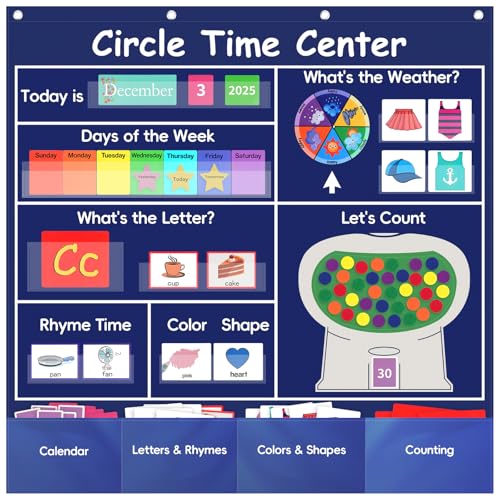
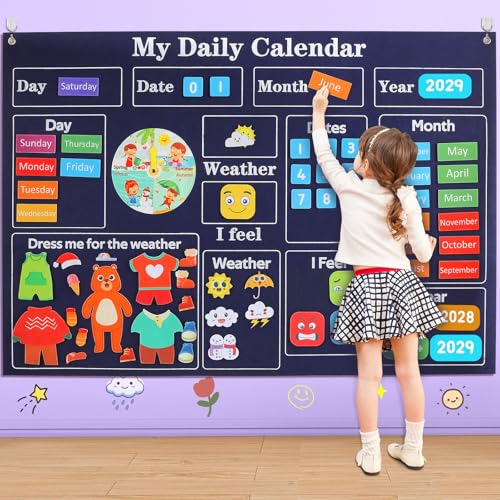
The best daycare centers do more than just supervise—they educate. A good curriculum encourages cognitive, social, and emotional development through age-appropriate activities. Look for programs that include story time, arts and crafts, music, outdoor play, and early literacy or numeracy skills. Many centers follow a themed weekly plan that introduces concepts like colors, animals, or seasons. Ask how they track developmental milestones and share progress with parents. A center that values play-based learning often has a rich assortment of sensory toys, play mats, and activity centers to engage children. If you're interested in a specific approach, inquire about their teaching philosophy and how they handle different learning styles.
🗂️ Essential Questions to Ask Before Enrolling
- What is the staff-to-child ratio for my child's age group?
- What are the qualifications and training of the caregivers?
- How does the center handle discipline and behavioral guidance?
- What is the daily schedule for meals, naps, and activities?
- Can I drop in unannounced to observe my child?
- What is the policy on sick children and medication administration?
- How does the center communicate with parents (daily reports, app, etc.)?
- What security measures are in place (keypad entry, CCTV, etc.)?
Making Your Final Decision
After touring several centers and asking the right questions, trust your instincts. A daycare should feel welcoming, warm, and safe. Talk to other parents in the area and read online reviews, but remember that each family's experience is unique. Consider the convenience of location, hours of operation, and the overall vibe you get from the staff. If possible, do a trial day or half-day to see how your child adjusts. Keep in mind that the transition to daycare can take time—both for you and your child. Be patient and communicate openly with the caregivers. Once you've chosen a center, you can also prepare your child by reading baby books about starting school or using consistent routines that mirror the daycare schedule. And don't forget to pack a reliable diaper bag with all the essentials for the day.
💡 Pro Tip: The best daycare is one where your child feels safe, loved, and excited to learn. Take your time, visit multiple centers, and don't hesitate to ask tough questions. Your peace of mind is worth it.