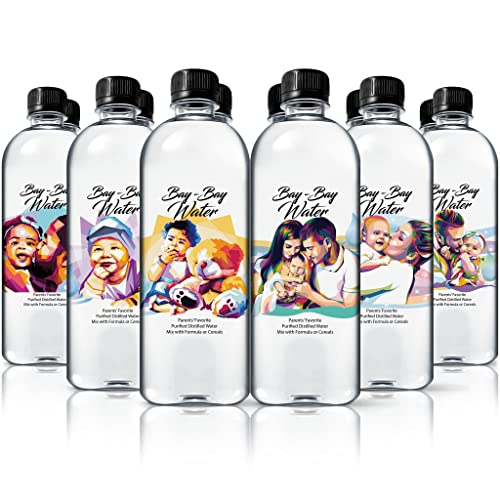
Bottled Water for Formula: A Complete Safety Guide
Everything parents need to know about choosing, preparing, and using bottled water to mix baby formula safely — from water types to sterilization best practices.
Why this matters: Infant formula powder is not sterile, and the water you mix it with plays a critical role in your baby's safety. Whether you are at home, traveling, or preparing a night feed, understanding which bottled water is suitable for formula — and how to prepare it — helps you feed your little one with confidence.
Why Water Choice Matters for Formula Feeding
Babies have immature kidneys and digestive systems, so their bodies process water differently than adults. The wrong type of water can introduce excess minerals, fluoride, sodium, or bacteria that a newborn is not ready to handle. This is why health organizations such as the CDC and WHO recommend careful water selection and preparation when mixing powdered infant formula.
Bottled water is convenient and often used during travel or when tap water quality is uncertain. However, not all bottled water is equal. Spring water, mineral water, distilled water, and purified water each have different mineral profiles — some ideal for formula, others best avoided. Learning to read labels and understand water tiers will help you make the safest choice for your baby's bottle.
Types of Bottled Water: Which One Is Safe for Formula?
Below is a comparison of common bottled water categories, ranked by how well they suit formula preparation. Use this as a decision guide when shopping for water for your baby's bottles.
| Water Type | Tier | Best For | Notes |
|---|---|---|---|
| Distilled Water | Essential tier | Daily formula mixing | Purified through distillation; low in minerals and contaminants. |
| Purified Water | Essential tier | Travel and on-the-go feeding | Treated by reverse osmosis, distillation, or deionization. |
| Low-Mineral Spring Water | Mid-tier | Rotating with distilled water | Check labels for sodium and fluoride levels before use. |
| Nursery Water | Mid-tier | Parents seeking pre-labeled safety | Often low-fluoride; verify the sodium content on the label. |
| Mineral Water | Avoid for formula | Not recommended | High mineral content may stress a baby's kidneys. |
| Sparkling / Carbonated Water | Avoid for formula | Not recommended | Carbonation and added minerals are unsuitable for infants. |
How to Choose Bottled Water for Formula
When selecting bottled water, the label is your best friend. Look for products with a clean, simple mineral profile and no added flavoring. The checklist below summarizes what to look for and what to avoid.
What to look for
- Low sodium content (ideally under 200 mg per liter)
- Low fluoride level (below 0.7 mg per liter for infants)
- Low sulfate and low mineral content overall
- Purified or distilled on the label
- Sealed, undamaged bottle with a clear expiration date
What to avoid
- Mineral water with added calcium, magnesium, or sodium
- Sparkling or carbonated water
- Water with added flavoring, sugar, or electrolytes
- Water from an unknown or unsealed source
- Bottles with damaged caps or signs of tampering
If you are unsure about a particular brand, check with your pediatrician. They can advise based on your baby's health history and local water quality. For related feeding guidance, see our resources on bottles most similar to a breast nipple and bottle warmers.
Step-by-Step: Preparing Formula with Bottled Water
Preparation hygiene is just as important as water selection. Follow these steps to reduce the risk of contamination and ensure a safe feed.
Wash your hands and sterilize equipment
Wash hands thoroughly with soap and water. Sterilize bottles, nipples, and mixing utensils using a bottle sterilizer or by boiling for five minutes.
Boil the water and let it cool
Bring bottled water to a rolling boil for at least one minute, then let it cool to approximately 70°C (158°F). This temperature is hot enough to kill bacteria in the powder but safe enough to handle carefully.
Measure water first, then add formula
Pour the correct amount of cooled boiled water into the sterilized bottle. Always add water before powder so the ratio is accurate. Use the scoop provided with your formula.
Mix and cool to feeding temperature
Cap the bottle and shake gently to dissolve the powder. Cool the bottle under running tap water or in a bowl of cold water until it reaches a comfortable feeding temperature. Test a few drops on your wrist.
Feed immediately and discard leftovers
Use the prepared formula within two hours. Discard any unfinished formula after a feed — never reheat or store leftovers. For warming guidance, explore our bottle warmer options.
Sterilization, Storage, and Travel Tips
Bottled water is not sterile by default, even when sealed. For newborns and infants under three months, boiling water before mixing is the safest approach. If you are traveling, carry a small electric kettle or use a bottle warmer that doesn't use water to reach safe temperatures.
Store unopened bottled water in a cool, dry place away from direct sunlight. Once opened, use the bottle within a reasonable time frame and keep it refrigerated if not consumed immediately. Never freeze water in glass bottles, as they can crack.
When away from home, pack sterilized bottles, pre-measured formula, and sealed bottled water separately. If you need to keep prepared formula cool, consider a portable cooler designed for milk and formula storage.
Ready to Stock Your Feeding Station?
Explore our recommended feeding essentials below and make bottle preparation smoother, safer, and more convenient for your family.
View Recommended ProductsCommon Mistakes to Avoid
- Using mineral water or sparkling water for formula
- Not boiling bottled water before mixing for newborns
- Reheating or reusing leftover prepared formula
- Mixing powder before water, which throws off the ratio
- Storing prepared formula at room temperature for too long
- Ignoring local water quality advisories when traveling
Frequently Asked Questions
Can I use bottled water to mix baby formula?
Yes, in most cases bottled water can be used to mix baby formula, provided it is low in fluoride, sodium, and sulfate. Always check the label and consult your pediatrician, especially for newborns or babies with health concerns.
Is distilled water best for formula?
Distilled water is generally considered a safe choice because it has been purified to remove minerals and contaminants. However, it lacks natural minerals, so some parents rotate with low-mineral spring water after consulting their pediatrician.
Do I need to boil bottled water before mixing formula?
Most health organizations recommend boiling water, including bottled water, and letting it cool to about 70°C before mixing formula to kill any bacteria present in the powder. This is especially important for infants under three months.
What should I avoid in bottled water for formula?
Avoid bottled water with high sodium, high fluoride, added minerals, or carbonation. Do not use sparkling water or water labeled as mineral water for formula preparation. Always check the label for added ingredients.
Can I use nursery water for every feed?
Nursery water is often marketed as suitable for formula, but you should still verify the fluoride and sodium content on the label. Many parents use it as a convenient option while traveling, and rotate with distilled water at home.
Bottom line: Bottled water can be a safe and convenient option for mixing formula when chosen and prepared correctly. Stick to distilled or purified water, check labels for low mineral content, boil before mixing for newborns, and always follow your formula manufacturer's instructions. When in doubt, your pediatrician is the best source of guidance for your baby's specific needs.