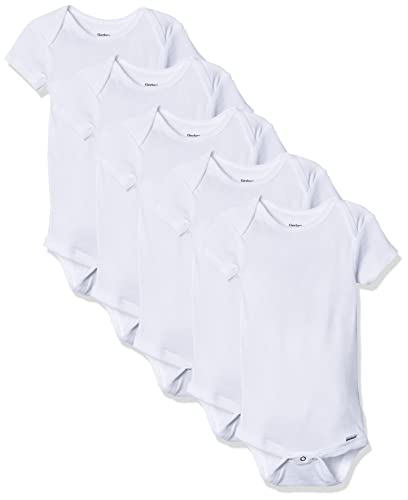
Your Complete Guide to Baby Onesies
From fabric choices to sizing and safety, discover everything you need to choose the perfect onesies for your little one. Comfort, durability, and style — all in one place.
Why Onesies Matter: Baby onesies (or bodysuits) are the foundation of your newborn's wardrobe. They keep your baby comfortable, make diaper changes effortless, and layer perfectly under sleepers or outfits. Choosing the right onesies means prioritizing softness, safety, and practicality.
What to Look for in Baby Onesies
🛡️ Fabric & Safety
Opt for 100% organic cotton or bamboo blends. These are breathable, hypoallergenic, and gentle on sensitive skin. Avoid synthetic fabrics and always check for flame-retardant chemicals.
📏 Sizing & Fit
Onesies come in newborn (NB), 0-3M, 3-6M, and up. Sizing varies by brand, so always check the weight and height guidelines. A snug fit is safe, but leave room for movement.
🧺 Ease of Use
Look for envelope necklines (for easy over-the-head dressing) and snap closures at the crotch for quick diaper changes. Magnetic or zipper closures are also game-changers for sleepy parents.
♻️ Durability & Care
Pre-shrunk fabrics and reinforced stitching ensure your onesies survive countless washes. Avoid iron-on labels or decorations that can irritate the skin.
Types of Baby Onesies: Which Style Is Best?
Classic Short-Sleeve Bodysuit: The everyday essential. Perfect for layering or wearing alone in warmer months. Look for snap closures for easy diaper changes. These are a staple in any baby essentials list.
Long-Sleeve Bodysuit: Ideal for cooler weather or as a base layer under sleepers. Choose cotton rib-knit for extra stretch and comfort.
Kimono-Style Onesie: Wraps around the front and secures with snaps. This style is excellent for newborns because you don't have to pull it over their head — a great choice for sensitive babies.
Onesie with Built-in Mittens: Prevents scratching and keeps tiny hands warm. Many parents prefer this style for newborns to avoid the need for separate baby mittens.
Footed Onesie (Sleep & Play): Combines a onesie with attached footies. Great for cooler nights and playtime. Ensure the soles have grippers for safety as your baby grows.
How to Choose the Right Fabric for Your Baby
Organic Cotton: The gold standard. Soft, breathable, and free from pesticides. It's perfect for babies with eczema or sensitive skin. Most kids' clothes brands offer organic cotton options.
Bamboo Viscose: Extremely soft, naturally antibacterial, and temperature-regulating. Bamboo onesies are a great investment, though they can be pricier.
Cotton-Polyester Blends: More affordable and wrinkle-resistant. However, they are less breathable and may cause overheating. Use them for outer layers, not as a base layer.
Wool or Cashmere: Only suitable for winter outerwear, not direct skin contact due to potential irritation.
Always check the label for Oeko-Tex Standard 100 or GOTS certification, which ensures the fabric is free from harmful substances.
Baby Onesies Safety: What Every Parent Must Know
Safety is non-negotiable. Ensure all onesies meet current CPSC (Consumer Product Safety Commission) guidelines. Avoid onesies with loose buttons, long ribbons, or drawstrings that pose a choking or strangulation hazard.
- Snaps & Zippers: Make sure they are secure and don't have sharp edges. Plastic snaps are generally safer than metal.
- Fit: A onesie that is too big can bunch up and cover the baby's face. A onesie that is too tight can restrict breathing and movement.
- Flame Resistance: In the US, all children's sleepwear must be flame-resistant. Look for "flame-resistant" labels. However, if the onesie is tight-fitting, it is often exempt because it's less likely to catch fire.
- Wash Before Wearing: Always wash new onesies before your baby wears them. This removes any chemical residue from manufacturing and dyes.
For additional safety in the nursery, check out our guide on safe sleep practices and choosing the right crib sheets.
How Many Onesies Do You Really Need?
Newborns go through an average of 10-12 onesies per week due to spit-ups, diaper leaks, and feedings. We recommend having at least 8-10 onesies in the newborn size and another 6-8 in the 0-3M size. This ensures you're not doing laundry every day.
- Newborn (NB): 7-10 short-sleeve onesies, 3-4 long-sleeve onesies
- 0-3 Months: 5-7 short-sleeve, 3-4 long-sleeve (babies grow fast, don't overstock)
- 3-6 Months: 4-6 short-sleeve, 2-3 long-sleeve (by this age, you'll know your baby's growth pattern)
Also, consider seasonality. For summer, stock up on short-sleeve bodysuits. For winter, layer long-sleeve onesies under baby blankets and sleep sacks.
Ready to Choose the Best Onesies for Your Baby?
We've curated a list of top-rated baby onesies based on safety, comfort, durability, and value. Explore our recommendations below and find the perfect fit for your little one.
If you're also preparing your nursery, don't miss our guides on portable cribs, baby monitors, and diaper pails for a complete setup.