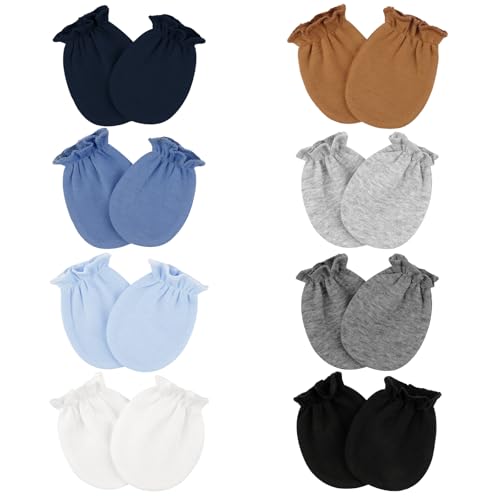
Baby Mittens Guide: Protect Your Newborn’s Soft Skin
Everything you need to know about choosing, using, and caring for baby mittens – prevent scratches, keep hands warm, and ensure your little one stays safe and comfy.
Why baby mittens matter: Newborns have tiny, sharp fingernails that can easily scratch their sensitive faces, eyes, or ears. Baby mittens are a simple but essential accessory that protects your baby’s delicate skin while also keeping their hands warm. Whether you're a first-time parent or adding to your baby essentials, this guide will help you choose the best mittens for your little one.
Why Your Newborn Needs Baby Mittens
During the first few weeks, babies have limited control over their movements. Their fingernails, though soft, can be surprisingly sharp and may cause scratches on their face, scalp, or even around the eyes. Baby mittens act as a protective barrier, preventing accidental injuries and giving you peace of mind.
Beyond scratch prevention, mittens also help keep your baby’s hands warm, especially during cooler months or in air-conditioned rooms. Good sleep habits start with comfort, and mittens can help maintain a cozy body temperature. Additionally, some parents find that mittens reduce thumb-sucking or help break the habit gently.
If you're looking for other essentials to complete your newborn's wardrobe, consider exploring our guides on baby socks and baby booties for all-around foot and hand protection.
Types of Baby Mittens – Which Style Is Best?
Baby mittens come in several styles, materials, and closure types. Understanding the differences will help you choose the right pair for your baby’s age, season, and needs.
1. By Material
- Cotton: Soft, breathable, and hypoallergenic. Ideal for everyday use and warmer weather. Easy to wash.
- Bamboo: Naturally antimicrobial, ultra-soft, and temperature-regulating. Great for sensitive skin.
- Organic Cotton: Grown without pesticides, perfect for babies with allergies or eczema.
- Fleece / Wool: Best for cold climates. Provides extra warmth but may be too thick for indoor use.
2. By Closure
- Elastic Cuffs: Snug fit but may leave marks on tiny wrists. Ensure they’re not too tight.
- Fold-over Cuffs (Built-in): Found on many newborn onesies. They prevent loss and stay in place without extra layers.
- Snap or Button Closure: Adjustable and secure, often used in winter mittens.
- Velcro: Easy to put on and take off, but can catch on delicate fabrics.
3. By Purpose
- Scratch Mittens: Ultra-thin, lightweight, and designed only to cover nails and prevent scratches.
- Winter Mittens: Thicker, insulated, often water-resistant for outdoor use.
- Nighttime Mittens: Often part of sleepwear to keep hands warm and prevent face-scratching during sleep.
- Teething Mittens: Some have a textured surface or teething pads on the back for chewing.
How to Choose the Best Baby Mittens
With so many options, here’s a simple checklist to guide your decision:
- Size Matters: Mittens should fit snugly but not tightly. Always check the age/weight recommendation on the packaging. If the mittens are too big, they may slip off; if too small, they can restrict circulation.
- Breathability: Choose natural, breathable fabrics like cotton or bamboo to prevent overheating and sweat rash.
- Ease of Use: Look for mittens that are easy to put on and take off, especially during diaper changes or nighttime feeds.
- Safety: Avoid mittens with loose buttons, ribbons, or small parts that could become choking hazards.
- Washability: Babies spit up, drool, and sometimes put their mittens in their mouths. Machine-washable options are a must.
💡 Pro Tip: Combine with Other Essentials
Pair mittens with a comfortable baby onesie that has built-in fold-over cuffs for double protection. Also, consider having at least 3–5 pairs so you always have a clean set ready.
While mittens are great for daytime use, at night you may prefer a safe sleep sack that includes mitten cuffs, eliminating the need for separate accessories. If your baby has sensitive skin, check out our guide on baby soap and skincare to ensure you're using gentle, hypoallergenic products.
When Should You Stop Using Baby Mittens?
Most pediatricians and parenting experts recommend transitioning away from mittens around 2–3 months of age. By this time, babies begin to explore with their hands and need tactile feedback for sensory development.
Signs it's time to stop:
- Your baby is consistently pulling off the mittens.
- They show interest in grabbing toys, objects, or their own feet.
- You notice skin irritation or sweat rashes from prolonged use.
- Your baby is starting to self-soothe by sucking their fingers or hands.
Instead of mittens, keep your baby’s nails properly trimmed and filed to prevent scratches. A baby nail file or clippers designed for infants is safer and more effective than relying on mittens long-term.
How to Wash and Care for Baby Mittens
Because mittens are in constant contact with your baby’s skin and mouth, keeping them clean is crucial.
- Wash before first use: Always wash new mittens to remove any manufacturing residues or irritants.
- Use gentle detergent: Choose a fragrance-free, hypoallergenic detergent designed for baby clothes.
- Warm or cold water: Hot water can shrink delicate fabrics; stick to warm or cold cycles.
- Air dry: High heat can damage elasticity and shrink cotton. Air drying is safest.
- Check for wear: Replace mittens that have loose threads, frayed edges, or stretched-out cuffs.
If you're building a full baby wardrobe, you might also want to explore our guides on baby hooded towels and burp cloths to complete your essential layette.
Baby Mittens Price Range & What to Expect
Baby mittens are generally affordable, with prices varying based on material, brand, and pack size. Here's a quick comparison:
Budget (Pack of 3–5)
$7–$15
Basic cotton, elastic cuffs, good for everyday use. Often sold in multi-packs.
Mid-Range (Pack of 2–3)
$12–$22
Organic cotton, bamboo blends, fold-over cuffs, and cuter designs.
Premium / Specialty
$18–$35+
Wool, cashmere blends, teething-friendly, or branded designer sets.
For most parents, a mid-range organic cotton set offers the best balance of comfort, safety, and durability. If you're buying for winter, consider investing in a fleece-lined pair for outdoor walks, which typically costs $22–$30.
Remember, you don’t need to spend a fortune – three to five well-made pairs are sufficient for daily rotation.
Baby Mittens Safety Guidelines
While mittens are generally safe, keep these precautions in mind:
- Never use mittens to restrict movement: They should only cover the hands, not restrict fingers or wrists.
- Check for loose threads: Loose fibers can wrap around tiny fingers and cause injury.
- Monitor temperature: If your baby’s hands feel sweaty or clammy, it's time to remove the mittens.
- Always remove mittens during tummy time: Babies need bare hands to push up and develop motor skills.
- Avoid mittens with small detachable parts: Pompoms, buttons, or embroidered patches can be choking hazards if they come loose.
For more baby safety tips, explore our comprehensive baby proofing guide and learn how to create a safe environment for your little explorer.
Frequently Asked Questions About Baby Mittens
Q: Are baby mittens safe for sleep?
A: Yes, as long as they are breathable, fit properly, and have no loose threads. Many sleep sacks come with fold-over mitten cuffs.
Q: Can I use socks instead of mittens?
A: Socks are not recommended because they lack proper wrist cuffs and can slip off, posing a suffocation risk.
Q: How many pairs do I need?
A: Aim for 4–6 pairs. Babies can be messy, and you'll want spares while others are being washed.
Q: When should babies stop wearing mittens during the day?
A: Around 2 months, but it depends on your baby. When they start exploring with their hands, it's time to phase them out.
Q: Do mittens delay motor skills?
A: If used excessively, yes. Limit mittens to sleep and times when scratching is a concern. Always allow bare-hand exploration during play.
Ready to Choose the Perfect Mittens?
Browse our handpicked selection of top-rated baby mittens below. All products are carefully chosen for safety, comfort, and quality.
View Recommended Mittens ↓