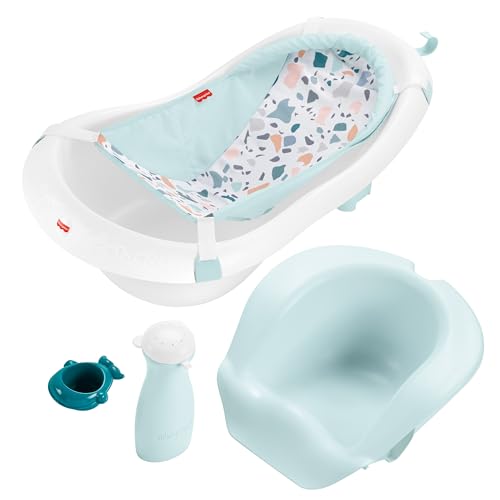
Baby Bathtub Buying Guide: Choose the Right Tub for Safe Bath Time
Bath time is one of the sweetest rituals of early parenthood — but it also requires the right equipment to keep your newborn safe, secure, and comfortable. This guide breaks down every bathtub style, safety feature, and setup consideration so you can choose with confidence.
Explore Buying FactorsWhy a Dedicated Baby Bathtub Matters: A full-size household tub is too deep and slippery for an infant, while a sink lacks the ergonomic support a newborn needs. A purpose-built baby bathtub provides a contained, slip-resistant, and appropriately sized bathing environment — reducing risk and making the experience calmer for both baby and parent.
Types of Baby Bathtubs: Find Your Best Fit
Baby bathtubs come in several structural categories. Each serves a different stage of infancy and a different parenting setup. Understanding these categories is the first step toward a confident purchase.
Newborn-Specific Tubs
Designed for the first weeks and months, these tubs feature a reclined, contoured interior that cradles a newborn who cannot yet sit upright. They typically include a built-in sling or support ledge. Ideal for parents who want a dedicated, short-term solution with maximum support.
Starter TierConvertible Stage Tubs
These grow with your baby: a removable sling or insert supports newborns, and once removed, the deeper basin accommodates sitting infants and toddlers. A solid long-term investment that avoids the need for a second purchase.
Balanced TierInflatable Tubs
Soft-sided and portable, inflatable tubs are gentle on little bodies and easy to store or travel with. They work well as a secondary tub or for families with limited bathroom space. Durability varies, so look for reinforced seams and a non-slip base.
Essential TierFoldable & Space-Saving Tubs
Collapsible designs fold flat for storage behind a door or in a closet. These are excellent for compact bathrooms and apartment living. The hinge mechanism quality is the key differentiator — mid-range and premium models offer smoother, more durable folding hardware.
Mid-Range to PremiumKey Buying Factors Before You Decide
Beyond the basic style, several functional details separate a tub that works smoothly from one that creates daily friction. Evaluate these factors against your bathroom layout, your baby's age, and your routine.
Safety Features
Look for a non-slip interior surface, a secure sling or support insert, and rounded edges. Drain plugs that empty the tub quickly are a practical safety feature — they prevent accidental standing water and make cleanup easier. Any tub you consider should meet current safety standards for infant bathing products.
Size & Bathroom Fit
Measure your bathtub, sink, or shower floor before choosing. A tub that fits inside your main bathtub or on a countertop with a lip will be far more stable than one balanced on an uneven surface. Compact foldable models shine in small spaces; full-size convertible tubs need more room but offer longer use.
Material & Build Quality
Plastic tubs are the most common and easy to clean. Look for BPA-free, phthalate-free materials. Inflatable tubs should use thick, puncture-resistant PVC or TPU. Premium models often feature reinforced bases and anti-microbial additives. Heavy-duty construction translates to fewer replacements over time.
Drainage & Cleaning
A well-placed drain plug with a secure seal is essential. Tubs with smooth, seam-free interiors are easier to wipe down and less prone to mildew buildup. Removable slings should be machine-washable or easy to hand-wash.
Portability & Storage
If you plan to bathe your baby in different rooms or while traveling, a lightweight inflatable or foldable tub is a practical choice. For a fixed bathroom setup, a sturdy convertible tub that stays in place is often more convenient.
Age Range & Longevity
Newborn-specific tubs typically serve only the first few months. Convertible tubs can last through the sitting and early toddler stages. Consider whether you prefer a single long-term tub or a stage-based approach with a separate toddler solution later.
Comparing Bathtub Styles at a Glance
The table below summarizes how each tub category positions itself in terms of use case and relative market tier. Use it as a quick reference before reading detailed reviews.
| Style | Best For | Relative Tier | Key Consideration |
|---|---|---|---|
| Newborn-Specific Tub | Parents with a newborn (0–3 months) | Starter Tier | Short usable lifespan; maximum support |
| Convertible Stage Tub | Parents who want one tub for 0–12+ months | Balanced Tier | Requires more storage space |
| Inflatable Tub | Travel, small bathrooms, secondary tub | Essential Tier | Check seam durability and base grip |
| Foldable Tub | Compact living spaces | Mid-Range to Premium | Hinge quality determines longevity |
How to Set Up a Safe and Calm Bath Time Routine
The tub itself is only part of the equation. A thoughtful setup and consistent routine make bath time safer and more enjoyable. Here is a step-by-step approach that experienced parents and pediatric guidance consistently recommend.
- Prepare everything before you start. Lay out a towel, clean diaper, fresh clothes, and any bath products within arm's reach. Never leave your baby unattended to fetch a forgotten item.
- Test the water temperature. Use a bath thermometer or your wrist/elbow to confirm the water is comfortably warm — not hot. A consistent temperature reduces startle and keeps the experience pleasant.
- Fill only to the recommended level. Most baby tubs have a fill line. Respect it. Deeper water increases risk and makes a slippery baby harder to handle.
- Position the tub on a stable surface. Whether inside a larger tub, on a counter, or on the floor, the base should not shift. Non-slip feet or a grippy base help here.
- Support your baby throughout. Use one hand to support the head and neck at all times. The tub's contoured shape or sling assists, but your hand remains the primary support.
- Keep the session short. Newborns lose body heat quickly. A brief, focused bath is safer and less stressful than a prolonged soak.
- Drain and clean immediately after. Empty the tub, wipe it down, and allow it to dry fully before storage. This prevents mildew and keeps the tub ready for next time.
Common Baby Bathtub Mistakes to Avoid
Even well-prepared parents can overlook a few details. These are the most frequently cited pitfalls — and how to sidestep them.
- Using a tub that is too large too soon. A newborn in a full-size toddler tub lacks the support needed for safe bathing. Match the tub to your baby's developmental stage.
- Ignoring the fill line. Overfilling creates buoyancy and makes a baby harder to hold securely. The fill line exists for a reason.
- Skipping the non-slip check. A tub that slides on a wet surface is a hazard. Test the base grip before first use and periodically afterward.
- Leaving the tub in a humid bathroom long-term. Prolonged dampness can degrade inflatable seams and encourage mold growth in crevices. Dry thoroughly.
- Overlooking recall and safety-standard checks. Before purchasing any tub, confirm the model is current and has not been subject to a safety recall. Product safety standards evolve, so a quick check protects your family.
Frequently Asked Questions About Baby Bathtubs
When can I start using a baby bathtub?
You can use a newborn-specific tub or a convertible tub with the newborn insert from the very first days after birth. Until the umbilical cord stump falls off and heals, sponge baths are often recommended — follow your pediatrician's guidance.
How long can my baby use a baby bathtub?
Newborn-specific tubs typically serve the first three to six months. Convertible tubs can last through the sitting and early toddler stages, often up to twelve months or more, depending on the model and your child's growth.
Is an inflatable baby bathtub safe?
Inflatable tubs can be safe when used correctly: on a stable surface, filled only to the recommended level, and with continuous adult supervision. Prioritize models with reinforced seams and a textured, non-slip base.
Can I use a baby bathtub inside a regular bathtub?
Yes — many parents place a baby tub inside a larger bathtub for easy drainage and containment. Ensure the baby tub sits flat and stable, and never rely on the larger tub's sides for support.
What features should I prioritize in a baby bathtub?
Focus on a non-slip interior, secure newborn support (sling or contoured insert), a reliable drain plug, and a stable base. These four elements matter more than decorative extras.
Ready to Compare Baby Bathtubs?
Explore our curated selection of baby bathtubs below, each chosen for safety, durability, and practical daily use. Read the details, compare features, and choose the tub that fits your bath time routine.