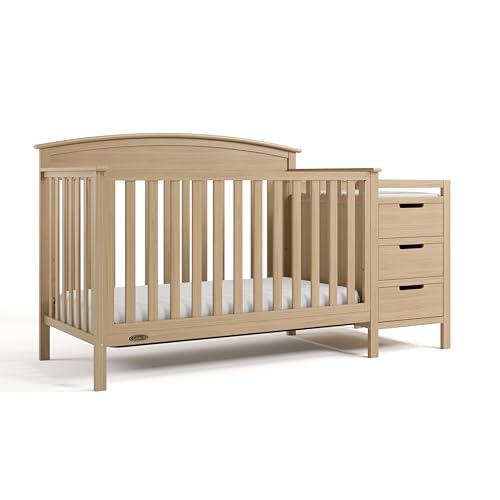
5-in-1 Convertible Crib with Changing Table: The Complete Guide
One smart piece of nursery furniture that adapts from newborn bassinet to toddler bed and beyond. Learn how to choose the right 5-in-1 convertible crib with changing table for your family.
Why a 5-in-1 convertible crib with changing table matters: Nursery furniture takes up significant floor space and represents a long-term investment. A well-designed 5-in-1 model combines a safe sleep surface, a convenient changing station, and multiple conversion stages in a single footprint. This guide explains each configuration, the safety standards to check, and how to match the crib to your nursery layout so you can decide with confidence.
What Exactly Is a 5-in-1 Convertible Crib with Changing Table?
A 5-in-1 convertible crib is a single furniture frame engineered to serve five distinct configurations over the life of a child. The typical progression looks like this:
- Stage 1 — Crib: The standard newborn and infant sleep setup with fixed or adjustable mattress height.
- Stage 2 — Toddler bed: One side rail is removed and a low toddler guard rail is attached for a child transitioning out of the crib.
- Stage 3 — Daybed: Both long rails are removed so the frame becomes a low sofa-style seat for a growing child.
- Stage 4 — Sofa or bench: The back panel is retained while the front opens up, creating a reading or lounge seat.
- Stage 5 — Full-size bed: The crib converts into a full bed with an optional conversion rail kit, often used through the school years.
The changing table attachment is a removable top unit that sits over the crib frame and provides a flat, raised changing surface. It usually includes a safety strap, a contoured changing pad, and side storage for diapers and wipes. Once your baby outgrows the changing stage, the top comes off and the crib continues as a standalone sleep space.
Who Should Consider This All-in-One Nursery Solution?
This category of furniture is particularly well suited to:
- Parents with compact nurseries who need a sleeping and changing surface in one footprint.
- First-time parents who prefer a single purchase that covers multiple developmental stages rather than replacing furniture every year.
- Families planning more than one child who want a durable frame that can be used again for a second baby.
- Caregivers who value organization — the attached changing station keeps diapering supplies within arm's reach during nighttime changes.
If you are still mapping out the broader nursery, our guide to nursery layout ideas can help you plan traffic flow before you commit to a furniture arrangement.
Key Features to Evaluate Before You Buy
Not every 5-in-1 crib is built to the same standard. Use the checklist below to compare models on the features that matter most.
1. Conversion Rail System
Look for a model that includes or clearly specifies the conversion rails needed for each stage. Some manufacturers bundle toddler rails with the crib while selling the full-bed rail separately. Confirm exactly what is in the box so there are no surprises later.
2. Mattress Height Adjustability
A crib with three or four adjustable mattress positions lets you lower the platform as your baby learns to sit and stand. This is a safety feature, not a convenience extra. Models in the mid-range and high-end tiers typically offer at least three positions.
3. Changing Table Attachment Design
Check whether the changer is a removable top unit or a fixed side extension. Removable tops are more versatile because the crib can be used independently once diapering is done. Look for a changer with a raised perimeter, a safety strap, and a surface that accepts a standard contoured pad.
4. Material and Construction
Solid wood and engineered wood with reinforced joinery generally outperform particleboard frames over time. A durable construction with a non-toxic, low-VOC finish is preferable for a room where a baby sleeps. Heavy-duty hardware and solid build quality are worth prioritizing over decorative extras.
5. Safety Certifications
In the United States, cribs should meet CPSC and ASTM F1169 standards. In Europe, look for EN 716 compliance. A reputable manufacturer will list these certifications. Always verify that the crib has not been subject to a recall before purchase.
6. Storage and Organization
Many 5-in-1 models include under-crib drawers or side shelving. If storage is a priority, compare how much usable space each design offers. For complementary storage ideas, see our baby dresser guide.
Comparing 5-in-1 Cribs by Market Tier
The table below uses universal quality descriptors rather than any numeric figures. Use it to understand what differentiates models across the market.
| Tier | Typical Construction | Conversion Rails Included | Best For |
|---|---|---|---|
| Entry-level | Engineered wood with laminate finish | Often toddler rail only | Short-term use or second nursery |
| Mid-range | Solid wood and engineered wood mix | Toddler and daybed rails typically included | Everyday family use across multiple stages |
| Premium | Solid hardwood with reinforced joinery | Most or all conversion rails bundled | Long-term multi-child households |
| Luxury / flagship | Hardwood with premium finishes and hardware | Full conversion kit included | Design-led nurseries and heirloom use |
Safety Checklist for Crib and Changer Use
Safety should drive every decision about nursery furniture. Keep these points in mind:
- Firm mattress fit: The mattress should fit snugly with no more than a two-finger gap along any side.
- Lower the platform early: Move the mattress to the lowest position as soon as your baby can pull to stand.
- Never leave a baby unattended on the changer: Always keep one hand on the baby and use the safety strap.
- Respect weight limits: Follow the manufacturer's stated limits for the crib, changer, and each conversion stage.
- Check for recalls: Verify the model number against the CPSC recall database before assembly.
- Secure the assembly: Tighten all fasteners and recheck them monthly, especially on models with moving rails.
For a broader look at infant sleep safety, our baby crib overview covers additional considerations.
Setting Up the Crib and Changing Table in Your Nursery
A 5-in-1 crib with changing table is a large piece of furniture, so placement matters. Position the crib away from windows, blinds, and wall-mounted decor that could fall. Keep the changing surface at a comfortable height for the caregiver — many convertible cribs place the changer near waist level, which reduces strain during frequent nighttime changes.
If you are planning the full room, our nursery layout guide explains how to arrange sleeping, diapering, and feeding zones so the space works for everyone. Pairing the crib with a baby changing table is also an option if you prefer a dedicated station rather than an attached changer.
Conversion Timeline: When to Move Between Stages
Every child develops at a different pace, but the general progression looks like this:
- Newborn to sitting: Crib stage with the highest mattress position.
- Sitting to standing: Lower the mattress platform one or two positions as mobility increases.
- Climbing out of the crib: Transition to the toddler bed configuration with the low guard rail.
- Preschool years: Convert to a daybed or sofa configuration for independent lounging.
- School years: Convert to a full-size bed using the conversion rail kit.
If you are weighing a different configuration, our guide to the 4-in-1 convertible crib with changing table explains how the two designs differ in conversion stages.
Pros and Cons of a 5-in-1 Convertible Crib with Changer
Advantages
- One footprint replaces a crib, changing table, toddler bed, daybed, and full bed.
- Long-term investment that can serve multiple children.
- Integrated changing station keeps diapering supplies organized and close at hand.
- Fewer furniture pieces to buy and assemble over time.
Considerations
- Larger footprint than a standard crib, so measure your room first.
- Some models require a separate full-bed conversion rail kit.
- Assembly is more involved than a basic crib.
- Not every model includes all conversion stages in the box.
Frequently Asked Questions
Does a 5-in-1 crib include the changing table attachment?
Most models marketed as "5-in-1 convertible crib with changing table" include a removable changer top. Always confirm the contents list, because some manufacturers sell the changer as a separate accessory.
Can I use the crib without the changing table?
Yes. The changer is designed to be removable. Once removed, the crib functions as a standalone sleep space and can proceed through its conversion stages.
What mattress size does a 5-in-1 crib need?
Most use a standard crib mattress. Check the manufacturer's specifications, because a snug fit is essential for safety.
How long does a 5-in-1 crib last?
A well-built model in the premium or flagship tier can serve from newborn through the school years, and often through multiple children. Entry-level models may have a shorter functional lifespan.
Are conversion rails included?
Toddler and daybed rails are commonly bundled. Full-bed conversion rails are sometimes sold separately. Verify this before purchasing.
Final Thoughts: Is a 5-in-1 Convertible Crib with Changing Table Right for You?
A 5-in-1 convertible crib with changing table is a sensible choice for families who want a single, long-lasting piece of nursery furniture that adapts as their child grows. The key is to verify safety certifications, confirm which conversion rails are included, and measure your nursery to ensure the footprint fits comfortably. With those checks complete, this category delivers excellent versatility and a solid long-term investment for the room your child will grow up in.