Wooden Stacker Toy Guide
Classic, educational, and endlessly entertaining — wooden stackers are a must-have for every baby and toddler. This guide covers everything you need to know before you buy.
Why Choose a Wooden Stacker?
Wooden stacker toys are more than just a nostalgic classic; they are a powerhouse of developmental benefits. From the moment your baby grasps a brightly colored ring, they are engaging in a rich learning experience. These simple toys help build the foundation for fine motor skills, hand-eye coordination, and cognitive abilities like problem-solving and spatial awareness.
Unlike plastic alternatives, a high-quality wooden stacker is durable, sustainable, and often safer, free from BPA and other harmful chemicals. They are also beautifully designed, making them a lovely addition to any nursery or playroom. Whether you are looking for a newborn infant gift or a developmental tool for a curious toddler, the wooden stacker is a timeless choice.
✨ Fine Motor Skills
Grasping, stacking, and balancing rings strengthen small hand muscles and dexterity.
🧠 Cognitive Development
Learning about size, order, and cause-and-effect builds early problem-solving skills.
🎨 Color & Shape Recognition
Brightly colored rings help babies identify colors and understand size sequencing.
🌱 Sustainable & Safe
Made from natural wood with non-toxic paints, they are an eco-friendly, durable choice.
Types of Wooden Stackers
Not all wooden stackers are the same. Understanding the different types available can help you choose the perfect one for your child's age and developmental stage.
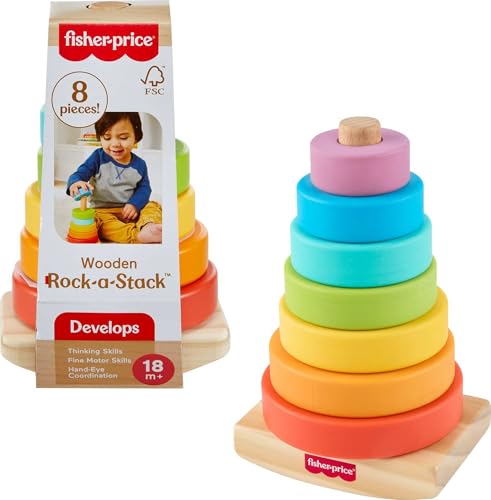
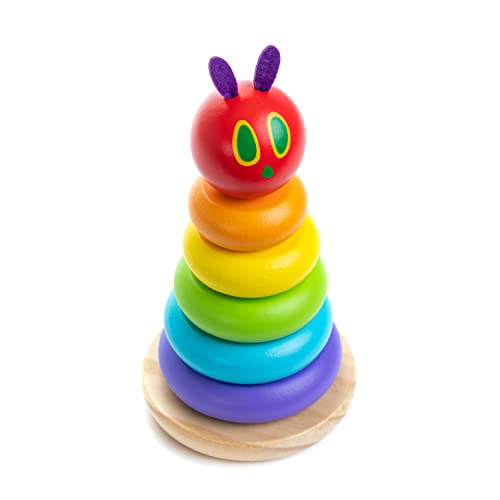
- Classic Ring Stacker: The traditional design with a central peg and graduated rings. Ideal for babies from 6 months.
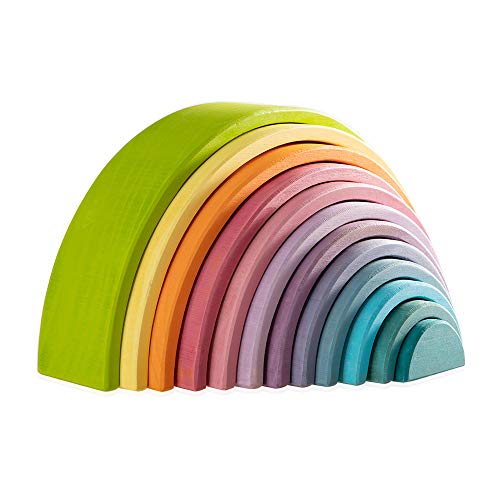
- Stacking Cups / Nesting Blocks: Often featuring different shapes, these can be stacked, nested, or sorted. Great for toddlers and promotes spatial reasoning.
- Shape Sorters: A wooden box or base with cut-out shapes and corresponding blocks. Excellent for shape recognition and matching.
- Theme-Based Stackers: Often shaped like animals, trees, or trains, these add an element of imaginative play to the stacking activity.
For younger babies, a simple teething toys combination or a classic ring stacker with smooth, easy-to-grasp rings is a great start. For older toddlers, a more complex toy organizer set with various stacking and sorting elements can offer extended play value.
How to Choose the Best Wooden Stacker
When shopping for a wooden stacker, consider these key factors to ensure you pick a safe, durable, and engaging toy for your child.
- Material & Finish: Look for solid wood (like rubberwood or beech) and non-toxic, water-based paints. The finish should be smooth with no sharp edges or splinters.
- Size & Weight: The rings should be appropriately sized for little hands to hold. Ensure the base is sturdy and the peg is secure to prevent tipping.
- Age Appropriateness: Check the manufacturer's age recommendation. Smaller parts can be a choking hazard for babies under 3.
- Design & Engagement: Choose a design with bright, contrasting colors and varied sizes. Some stackers also incorporate textures or sounds (like a rattle) for added sensory input.
Remember, the best toy is one that grows with your child. A well-made wooden stacker can be a beloved toy for years, transitioning from a simple stacking activity to a tool for more complex play and learning. It's an investment in your child's development that also makes a thoughtful baby girl gifts or baby boy gifts.
Pros & Cons of Wooden Stackers
✅ Pros
- Durable and long-lasting.
- Eco-friendly and sustainable.
- Non-toxic and safe for teething.
- Enhances fine motor and cognitive skills.
- Aesthetically pleasing, fits any nursery decor.
- Open-ended play for different ages.
❌ Cons
- Can be more expensive than plastic toys.
- Heavier, may hurt if dropped.
- Painted finish can wear over time.
- Not suitable for water play.
- May require occasional polishing or care.
Quick Tips for Using Wooden Stackers
- Start Simple: For babies under 1, start with just the largest rings to build confidence.
- Narrate Play: Talk about colors, sizes, and actions as you stack together (“This is the big red ring!”).
- Make it a Game: Knock them down and rebuild — it’s fun and teaches cause and effect.
- Clean Gently: Wipe with a damp cloth and mild soap. Avoid submerging in water as it can damage the wood.
- Inspect Regularly: Check for any cracks or sharp edges to ensure safe play.
These toys are also excellent for introducing basic math concepts like sequencing, counting, and comparing. For more ways to encourage developmental play, explore our guides on baby play mat and baby play gym.
Ready to Find the Perfect Wooden Stacker?
Browse our top recommendations below. We've selected the best wooden stackers for quality, safety, and developmental value.
Shop Top Wooden Stackers