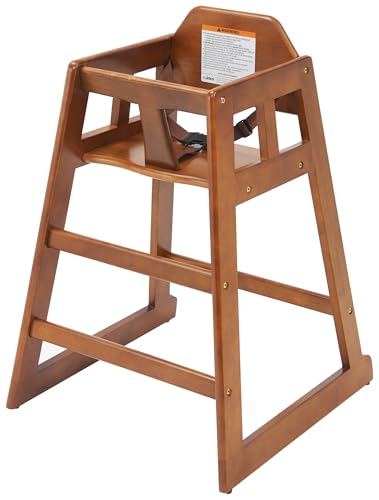
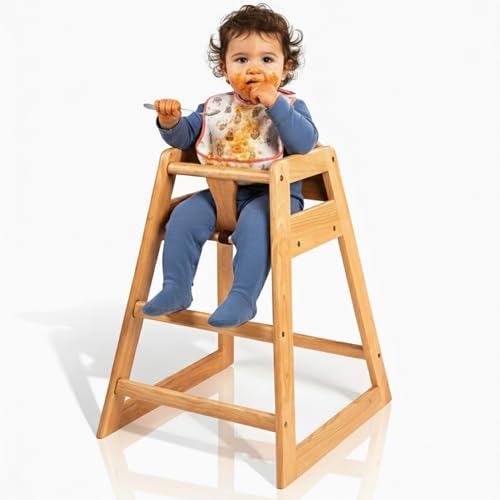
The Timeless Appeal of a Wooden High Chair Vintage
Discover why vintage wooden high chairs remain a beloved choice for modern families. From heirloom craftsmanship to classic design, learn how to select a safe and stylish seat that grows with your child.
Explore the GuideWhy a vintage wooden high chair? These classic seats combine old-world craftsmanship with modern safety standards. They are built to last, often becoming family heirlooms that can be passed down through generations. This guide will walk you through everything you need to know to make an informed decision.
The Allure of Vintage Wooden High Chairs
A vintage wooden high chair is more than just a piece of furniture; it's a statement of timeless design and sustainable parenting. Unlike their plastic and metal counterparts, wooden high chairs offer a warmth and character that blends seamlessly with any home decor, from rustic farmhouse to modern minimalist.
These chairs are often constructed from solid wood—such as beech, oak, or maple—and feature classic details like turned legs, spindle backs, and natural finishes. The appeal lies in their durability and the patina they develop over time, telling a story of family meals and childhood memories.
Key Benefits of Choosing a Vintage-Style Wooden High Chair
- Heirloom Quality: A solid wood high chair is a long-term investment. It can often be sanded and refinished to look new again, making it a piece you can pass down.
- Sustainable Choice: Wood is a renewable resource, and a well-made wooden chair is far more eco-friendly than a short-lived plastic model.
- Aesthetic Appeal: The natural grain and classic lines of a vintage wooden high chair add a touch of elegance to any dining room or kitchen.
- Stability and Weight: Wooden high chairs are typically heavier and more stable than lightweight plastic chairs, reducing the risk of tipping.
For parents who appreciate classic nursery and home decor, a vintage wooden high chair is a natural fit. You might also find inspiration in other classic nursery items, such as a personalized wooden name sign or traditional wooden stacker toys.
Safety First: What to Look For in a Wooden High Chair
While vintage designs are charming, safety is paramount. Modern high chairs must meet strict safety standards. When shopping for a vintage-style wooden high chair, look for these critical features:
1. A Secure Harness System
Even the most well-behaved baby can wiggle. A five-point harness is the gold standard, securing your child at the shoulders, hips, and between the legs. Some vintage-inspired chairs may only have a lap belt, which is not sufficient for preventing a child from standing up or sliding out. Always prioritize a five-point harness.
2. A Stable Base
The chair should have a wide, sturdy base to prevent tipping. Look for a design where the legs splay outward, creating a stable footprint. Avoid chairs with a narrow base or those that feel wobbly even before a child is seated.
3. The Right Height and Footrest
For proper posture and digestion, your child's feet should rest flat on an adjustable footrest. A well-designed wooden high chair will have a footrest that can be moved as your child grows. This also prevents dangling legs from kicking the table or causing discomfort.
4. Non-Toxic Finishes
Babies put everything in their mouths. Ensure the wood is finished with a food-safe, non-toxic paint or oil. Avoid chairs with chipped paint or unknown finishes, as older paints may contain lead. If restoring a truly vintage chair, it's essential to strip and refinish it with a baby-safe product.
5. No Pinch Points or Sharp Edges
Inspect the chair for any gaps or moving parts that could pinch small fingers. All edges should be smooth and rounded. If the chair has a tray, ensure it locks securely and has no sharp release mechanisms.
Important: Always check for recalls and safety certifications. In the US, look for the JPMA (Juvenile Products Manufacturers Association) certification. In Europe, look for the EN 14988 safety standard. If you are considering a truly antique chair, it is best used as a decorative piece rather than a functional high chair.
Types of Wooden High Chairs
Wooden high chairs come in several styles, each with its own set of advantages. Here's a breakdown of the most common types:
| Type | Tier | Best For | Key Features |
|---|---|---|---|
| Classic Vintage Replica | Mid-range | Parents who want the look of a vintage chair with modern safety features. | Solid wood construction, five-point harness, adjustable footrest, often has a removable tray. |
| Convertible Wooden High Chair | Premium | Families looking for a long-term investment that grows with the child. | Transforms from a high chair to a booster seat and then a regular chair. High-quality materials and craftsmanship. |
| Heirloom Handcrafted Chair | Heirloom | Those seeking a unique, artisan-made piece to be passed down. | Made by individual craftsmen, often from reclaimed or exotic woods. Customizable finishes. Highest level of craftsmanship. |
| Simple Wooden Chair with Tray | Entry-level | Grandparents' houses or as a secondary chair. | Basic design, often without a harness (a harness must be purchased separately). Less adjustable but functional. |
When choosing, consider how long you plan to use the chair and whether you need it to convert for older children. For more ideas on furniture that adapts as your child grows, explore guides on convertible nursery furniture sets.
Materials and Craftsmanship: What Makes a Quality Chair
The quality of a wooden high chair is determined by the type of wood and the construction methods used. Here’s what to look for:
Types of Wood
- Beechwood: A dense, hard wood that is very durable and resistant to dents. It is a common choice for high-quality children's furniture.
- Oak: Known for its strength and beautiful grain pattern. Oak furniture is heavy and extremely long-lasting.
- Maple: A hard wood with a fine, uniform texture. It takes finishes well and is very durable.
- Pine: A softer wood that is more prone to dents and scratches. While less durable, it is a classic choice for rustic-style furniture and is often used in entry-level models.
- Birch Plywood: Often used in modern, bentwood-style chairs (like the famous Tripp Trapp). High-quality birch plywood is strong and lightweight.
Construction Details
- Joinery: Look for chairs that use traditional wood joinery (like mortise and tenon or dovetail joints) rather than just screws and glue. These joints are much stronger and more durable.
- Finish: A high-quality finish should be smooth to the touch and free of drips or bubbles. Water-based, non-toxic finishes are the safest choice for children.
- Weight and Stability: A heavier chair is generally more stable. Check the weight of the chair and read reviews about its stability.
A well-crafted wooden high chair is a significant investment, but its longevity makes it a smart choice for families. This is a similar principle to choosing organic baby clothes, where quality materials and construction lead to better durability and safety.
Pros and Cons of Wooden High Chairs
Before making a decision, weigh the advantages and disadvantages of a wooden high chair compared to other materials.
Pros
- Durability: Solid wood construction can last for decades and even generations.
- Aesthetics: Timeless beauty that complements any home decor.
- Sustainability: A renewable and eco-friendly material choice.
- Stability: Heavier weight means a lower risk of tipping.
- Repairability: Scratches and dents can often be sanded and refinished.
Cons
- Weight: Wooden chairs are heavy and can be difficult to move around.
- Cleaning: Wood can be more challenging to wipe clean compared to plastic, especially if food gets into crevices.
- Maintenance: Wood may require occasional oiling or refinishing to keep it in top condition.
- Higher Initial Investment: While they offer long-term value, high-quality wooden high chairs often require a more significant upfront commitment.
- Hard Surface: A wooden seat may be less cushioned than a padded plastic chair. A high chair pad for wooden high chairs can solve this.
Caring for Your Vintage Wooden High Chair
To ensure your wooden high chair lasts for years to come, follow these simple care instructions:
- Clean Spills Immediately: Wipe up food and liquid spills right away to prevent staining and damage to the finish.
- Use a Damp Cloth: For everyday cleaning, a damp cloth with mild soap is usually sufficient. Avoid harsh chemical cleaners or abrasive sponges.
- Dry Thoroughly: After cleaning, dry the chair with a soft towel to prevent water from soaking into the wood.
- Oil Periodically: Depending on the finish, you may need to oil the wood every few months with a food-safe oil (like mineral oil or beeswax) to keep it nourished and prevent drying and cracking.
- Inspect Regularly: Check the chair regularly for loose screws, splinters, or cracks. Tighten any loose hardware and repair any damage immediately.
- Use a Splat Mat: Place a mat under the high chair to catch spills and protect your floor, making cleanup easier.
For more tips on keeping your baby's gear in top shape, you might find our guides on crib mattress protectors and breathable waterproof mattress protectors useful.
Frequently Asked Questions
Are vintage wooden high chairs safe?
Truly antique high chairs are best used as decorative pieces because they were not designed to meet modern safety standards. However, modern "vintage-style" wooden high chairs that are manufactured today are safe, provided they have a five-point harness, a stable base, and meet current safety certifications like JPMA or EN 14988.
What is the best wood for a high chair?
Hardwoods like beechwood, oak, and maple are the best choices for high chairs due to their durability and resistance to denting. Pine is a softer, more budget-friendly option but is more prone to wear and tear. High-quality birch plywood is also excellent for bentwood-style chairs.
How do I clean a wooden high chair?
For routine cleaning, wipe the chair with a damp cloth and a mild, baby-safe soap. Avoid soaking the wood with water. For stuck-on food, use a soft-bristled brush. Periodically, you can nourish the wood with a food-safe oil to keep it from drying out. Always dry the chair thoroughly after cleaning.
Can a wooden high chair be used for multiple children?
Absolutely. This is one of the main advantages of a wooden high chair. A high-quality, well-made wooden chair is built to last and can easily be used for multiple children and even passed down to future generations. Its durable construction means it can withstand the wear and tear of daily use.
What is the difference between a convertible and a standard wooden high chair?
A standard wooden high chair is designed for a single purpose: to feed a baby. A convertible wooden high chair is designed to adapt as your child grows. It typically starts as a high chair and can be converted into a booster seat and then a standard chair for an older child or adult. This makes it a more versatile, long-term investment.