
Wooden Booster Seat for Dining Chair: The Complete Guide
Everything you need to know about choosing a safe, comfortable, and stylish wooden booster seat that transforms any dining chair into the perfect spot for your little one at the family table.
START YOUR RESEARCHIn This Guide
When your baby is ready to join the family at the dining table, a wooden booster seat for dining chair is one of the smartest investments you can make. Unlike bulky high chairs that take up valuable floor space, a wooden booster seat attaches securely to your existing dining chair, raising your child to the perfect height for family meals, crafts, and togetherness.
In this comprehensive guide, we'll walk you through everything you need to know — from understanding the different types of wooden boosters to measuring your chair for a perfect fit, and from safety certifications to long-term care. By the end, you'll have the confidence to choose the right seat for your family's needs and your dining room's style.
Why Choose a Wooden Booster Seat?
Wooden booster seats have surged in popularity among design-conscious parents, and for good reason. Here's why they stand out from plastic alternatives:
- Aesthetic appeal: Solid wood blends seamlessly with dining room furniture, from rustic farmhouse tables to modern minimalist setups. A well-crafted wooden booster looks like an intentional piece of furniture, not a clunky baby accessory.
- Durability: High-quality wooden booster seats are built to last. Many are crafted from solid hardwood — beech, oak, or birch — that resists the wear and tear of daily use and can be passed down between siblings.
- Stability: The natural weight and rigid construction of wood provide a stable base that doesn't flex or wobble. This is especially important for active toddlers who shift their weight frequently during meals.
- Eco-friendly: Wood is a renewable resource, and many manufacturers use sustainably sourced timber and non-toxic, water-based finishes. If environmental impact matters to you, a wooden booster is often the greener choice.
- Easy to clean: A smooth, sealed wooden surface wipes clean in seconds — no hidden crevices where crumbs and spills accumulate.
Of course, wooden booster seats vary widely in quality and features. Entry-level models may use thinner panels and simpler harness systems, while premium and luxury tiers offer solid hardwood construction, padded cushions, and five-point harnesses. We'll help you navigate these differences in the sections below.
Key Features to Look For in a Wooden Booster Seat
Not all wooden booster seats are created equal. When evaluating your options, pay close attention to these critical features:
1. Harness System
A five-point harness is the gold standard for safety. It secures your child at the shoulders, hips, and between the legs, preventing them from sliding down or climbing out. Some entry-level wooden boosters use a three-point harness, which is acceptable for older toddlers but less secure for younger babies. Always check the harness's adjustability — you want it to grow with your child.
2. Attachment Mechanism
How does the booster attach to your dining chair? There are two main systems:
- Straps: Adjustable webbing straps wrap around the dining chair's seat and backrest. This system is versatile and fits most chairs, but you must ensure the straps are tightened securely every time.
- Clamps or brackets: Some wooden boosters use rigid clamps or brackets that grip the chair's seat. These provide a more solid connection but may only fit chairs within a specific size range.
Regardless of the system, the attachment must be intuitive and quick — you don't want to wrestle with complicated buckles during a hungry toddler's mealtime.
3. Seat Depth and Backrest Height
A well-designed wooden booster should position your child so their elbows rest comfortably at table height and their feet can dangle or rest on a footrest. Look for models with adjustable seat depth or a removable backrest, as these can extend the seat's usable life as your child grows.
4. Materials and Finish
Solid hardwood (beech, oak, birch, or maple) is the most durable choice. Avoid particleboard or MDF, which can swell and degrade with moisture. The finish should be non-toxic and water-resistant — look for water-based lacquers or natural oils. If the seat has a cushion, check that the fabric is removable and washable.
5. Portability
If you plan to use the booster at restaurants, grandparents' houses, or on vacation, consider a lightweight model with a carrying handle or a foldable design. Some wooden boosters are surprisingly compact and easy to transport, while others are designed to stay put at home.
6. Weight and Age Limits
Always check the manufacturer's recommended weight and age range. Most wooden boosters support children from around 6 months (once they can sit unassisted) up to 3 years or roughly 33-50 lbs, depending on the model. A seat that's rated for a wider range offers better long-term value.
Safety Standards and Installation
Your child's safety is non-negotiable. Before purchasing any wooden booster seat, verify that it meets recognized safety standards. In the United States, look for the ASTM F2640 standard (Standard Consumer Safety Specification for Booster Seats) and a JPMA (Juvenile Products Manufacturers Association) certification. In Europe, the equivalent is EN 16120.
Proper Installation Checklist
- Choose a stable dining chair: Avoid chairs with wheels, swivel bases, or very lightweight frames. A sturdy, four-legged chair is ideal.
- Test the attachment: Once the booster is secured, give it a firm tug in all directions. It should not shift or wobble more than a fraction of an inch.
- Check the harness fit: The harness should be snug against your child's body, with no more than a finger's width of slack at the shoulders.
- Position away from hazards: Keep the chair away from countertops, tables with sharp edges, and anything your child could grab or push against.
- Supervise at all times: No booster seat replaces adult supervision. Always stay within arm's reach during meals.
Important: Never use a wooden booster seat on a folding chair, a chair with armrests that interfere with the attachment, or any chair that feels unstable. If you're unsure about your chair's suitability, consult the booster manufacturer's compatibility list or choose a model with a universal strap system.
How to Measure Your Dining Chair for a Perfect Fit
Before you shop, grab a tape measure and note these dimensions of your dining chair:
- Seat width: Measure across the front edge of the seat. Most boosters fit seats between 14 and 18 inches wide.
- Seat depth: Measure from the front edge to the backrest. A booster with adjustable depth is more forgiving here.
- Backrest height: Measure from the seat to the top of the backrest. If your chair has a very low back, choose a booster with a taller backrest for head support.
- Seat thickness: Some clamp-style boosters have maximum thickness limits, so measure your chair's seat cushion if it's upholstered.
If your chair falls outside the manufacturer's recommended range, don't force it — choose a different model with a wider adjustment range. A poorly fitting booster is a safety hazard, not a minor inconvenience. For more guidance on selecting child seating that works with your existing furniture, you might find our guide to a wooden adjustable high chair useful, especially if you're weighing a booster against a full high chair.
Comparing Booster Seat Types
Wooden boosters come in several configurations. Use this table to understand the trade-offs between common designs:
| Type | Best For | Key Considerations |
|---|---|---|
| Backless wooden booster | Older toddlers who need a simple height boost | Compact and portable; requires a dining chair with good back support |
| High-back wooden booster | Younger babies and toddlers who need head and shoulder support | More supportive but bulkier; check that the backrest doesn't interfere with your table |
| Convertible wooden booster | Families who want a seat that grows with the child | Removable backrest and adjustable harness; higher upfront investment but longer usable life |
| Foldable wooden booster | Travel and households with limited storage | Hinged design for portability; verify that the folding mechanism locks securely |
When comparing models, think about your daily routine. If the booster will stay on one chair at home, a high-back or convertible model offers the most support. If you need to move it between rooms or take it to restaurants, a backless or foldable design is more practical.
For parents who also want a dedicated chair for the nursery or playroom, our overview of the wooden high chair newborn option might be a helpful complement to this guide.
Care and Maintenance Tips for Your Wooden Booster Seat
A wooden booster seat is an investment that can last for years if properly maintained. Follow these simple habits:
- Wipe after every meal: Use a damp cloth with mild soap to remove food residue before it dries. Avoid abrasive cleaners that can dull the finish.
- Dry immediately: Wood and prolonged moisture don't mix. Dry the surface with a soft towel after cleaning to prevent water stains or swelling.
- Check the harness and straps monthly: Look for fraying, loose stitching, or worn buckles. Replace any damaged components immediately.
- Tighten the attachment regularly: Straps can loosen over time with daily use. Give the booster a quick shake test each week.
- Re-oil or re-seal annually: If your booster has an oiled finish, apply a food-safe wood oil once a year to keep the wood nourished and water-resistant.
- Store indoors: Avoid leaving the booster in a car trunk or garage where temperature swings and humidity can damage the wood.
Frequently Asked Questions
What is a wooden booster seat for a dining chair?
A wooden booster seat is a child seat that attaches to a standard dining chair, raising your child to table height. It is typically made from solid wood and features a safety harness and a secure attachment system.
How do I know if a wooden booster seat will fit my dining chair?
Check the manufacturer's specifications for seat width, depth, and backrest height. Most wooden boosters are designed to fit standard dining chairs, but measuring your chair before purchasing is always recommended to ensure a secure fit.
Are wooden booster seats safe for toddlers?
Yes, when used correctly. Look for models with a five-point harness, a secure attachment system (straps or clamps), and non-toxic finishes. Always follow the manufacturer's age and weight guidelines and ensure the seat is properly installed on a stable dining chair.
What age is a wooden booster seat suitable for?
Most wooden booster seats are designed for children who can sit up unassisted, typically from around 6 months to 3 years, depending on the model's weight limit and harness system. Always refer to the specific product's guidelines.
How do I clean a wooden booster seat?
Wipe the wooden surfaces with a damp cloth and mild soap. For the harness and cushion, follow the manufacturer's care instructions, which often involve spot cleaning or machine washing on a gentle cycle.
Ready to Choose Your Wooden Booster Seat?
You now have a complete picture of what to look for in a wooden booster seat for dining chair use. Remember the essentials: a secure five-point harness, a reliable attachment system, solid hardwood construction, and a proper fit for your dining chair. With these criteria in hand, you can compare options confidently and choose a seat that keeps your child safe and comfortable at the family table for years to come.
Ready to explore the best options on the market? Browse our curated selection below and find the perfect wooden booster seat for your home.
Top Wooden Booster Seats for Dining Chairs
⚠️ AFFILIATE DISCLOSURE: This website contains affiliate links. As an Amazon Associate, we earn from qualifying purchases. If you make a purchase through these links, we may receive a small commission at no additional cost to you. Read our full affiliate policy.
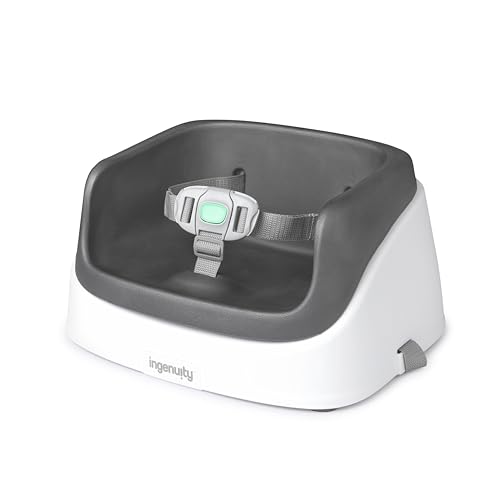
Ingenuity SmartClean Toddler Booster Seat for Kitchen Chair – Lightweight for on-the-go, Easy-Clean, 3-Point Harness Strap – Booster Seat for Dining Table, Slate
Check price on Amazon
Wooden High Chair for Toddlers, Adjustable Dining Feeding Chair with Removable Cushion for Child, High Chair Grows with Your Kid with Steps for Kids Dining, Studying, Step Tool(Nut-Brown)
Check price on Amazon
Black Wooden Dining Seat Riser for Restaurant Chairs – Stackable Rubberwood Seat Platform with Chair Strap & Non-Slip Pads, Commercial Restaurant Seating Accessory
Check price on Amazon
Ingenuity SmartClean Toddler Booster Seat for Dining Table with 3-Point Harness Straps, Oat
Check price on Amazon
SMZCTYI Toddler Booster Seat for Dining Table, Removable Chair Cushion | PU Washable Double Safe Straps Non-Slip Bottom Booster Seat Dining Toddler, Portable Travel Increasing Cushion (Grey)
Check price on Amazon
Wooden High Chair for Baby & Toddler – Restaurant-Style Stackable HighChair with Commercial Grade Solid Wood for Dining Table & Kitchen – Compact & Portable Design for Home & Restaurant Use -Natural
Check price on Amazon
Booster Seat for Kitchen Chair, 3.8" Kid Booster Seat Cushion with Ties | PU Toddler Dining Table with Side Pockets, Non-Slip & Removable Booster Seat for Table Increasing Cushion (Grey)
Check price on Amazon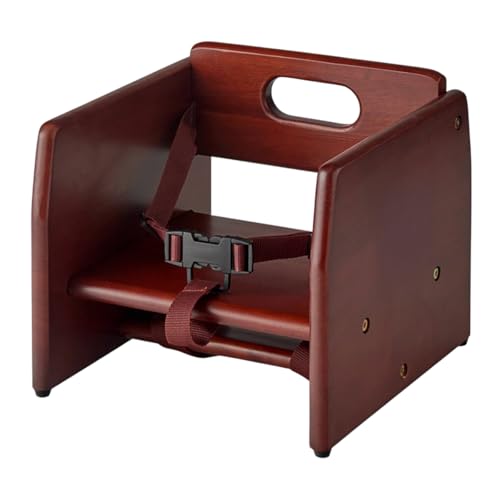
Unassembled Wooden Booster Seat with Mahogany Finish – Rubberwood Construction, 3-Point Harness, Chair Strap, Non-Slip Pads, Stackable Restaurant Dining Seat
Check price on AmazonDisclaimer
Baby product selection and parenting decisions involve personal preferences and individual circumstances. The information provided on CradleCheck is for educational and informational purposes only. We are not medical professionals, and our content should not replace professional medical advice, diagnosis, or treatment. Always consult with your pediatrician or healthcare provider regarding your baby's health and safety. Some content may use AI assistance. Always check product safety standards and recalls before purchasing. If you do not agree, please do not use this website. Read the full disclaimer.