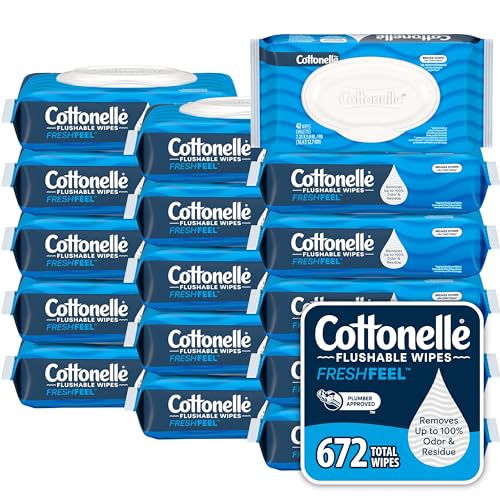
Baby Wet Wipes Buying Guide: Choosing Safe, Gentle Wipes for Every Stage
From ingredient labels to packaging design, learn what separates a dependable wipe from one that irritates delicate newborn skin. This guide walks you through every decision point so you can stock your nursery with confidence.
Why this guide matters: Babies go through thousands of wipes in their first year. A wipe that feels fine on your hands may still contain preservatives or fibers that trigger redness on a baby's bottom. This article breaks down the real differences between wipe types — water-based versus conventional, plant-based versus synthetic, flip-top versus resealable — so you can choose wisely before your baby arrives.
Why the Right Wet Wipe Matters for Your Baby
Newborn skin is roughly 30% thinner than adult skin, which means it absorbs moisture faster and reacts more quickly to chemical irritants. A wipe touches your baby's most sensitive areas multiple times a day, so its ingredients and material composition directly affect skin health. Pediatric dermatologists consistently recommend wipes that are free from alcohol, fragrance, parabens, and harsh preservatives — especially during the first six months.
Beyond skin safety, the right wipe affects your daily routine. A durable wipe that does not shred mid-change saves time and reduces mess. A well-sealed pack that stays moist until the last sheet means fewer wasted wipes and fewer mid-diaper-change surprises. Choosing the right wipe is both a health decision and a practical one.
Ingredient Safety
Water-based wipes with 99% purified water and minimal preservatives are the safest entry-level choice for newborns. Avoid alcohol, fragrance, and parabens in the early months.
Material Softness
Plant-based fibers like viscose and bamboo feel softer than synthetic polyester blends. Mid-range plant-based wipes offer a good balance of softness and tear resistance.
Packaging Design
Flip-top hard lids keep wipes moist longer than peel-and-reseal stickers. For travel, smaller resealable pouches prevent drying out while on the go.
Types of Baby Wet Wipes: A Tier-Based Overview
Wet wipes fall into distinct categories based on ingredient composition, material quality, and packaging durability. Understanding these tiers helps you match the wipe to your baby's needs and your household routine. The table below outlines the main categories without referencing specific brands.
| Tier | Best For | Key Characteristics |
|---|---|---|
| Essential Tier | Everyday diaper changes, budget-conscious households | Water-based formula, basic flip-top or peel-and-reseal packaging, unscented, free from alcohol and parabens. Solid choice for the tier. |
| Balanced Tier | Newborns, sensitive skin, daily use | 99% water formula with plant-based fibers, hypoallergenic, fragrance-free, sturdy flip-top lid, good wet strength. Feature-rich for its class. |
| Premium Tier | Babies with eczema or very reactive skin | Ultra-gentle ingredients, thicker material, larger sheet size, resealable hard packs, dermatologist-tested. Competitive within its class for sensitive skin. |
| Top-Tier / Specialty | Eco-conscious families, plastic-free goals | 100% plant-based biodegradable fibers, compostable packaging, water-only formula, no preservatives. Long-term investment for families prioritizing sustainability. |
Most families find that a balanced tier wipe works well for everyday use, while keeping a pack of premium tier wipes on hand for flare-ups or outings where skin might be more sensitive. Specialty wipes are ideal if you are actively reducing household plastic waste, though they require more careful storage because preservative-free formulas have a shorter shelf life once opened.
Reading the Ingredient Label: What to Look For and What to Avoid
Ingredient lists on wipe packaging can be confusing. Here is a practical breakdown of what each category means for your baby's skin.
Ingredients to Prioritize
- Purified water (often listed as Aqua or Water): The base of any gentle wipe. Look for formulas that are 99% water or higher.
- Plant-based fibers (viscose, bamboo, cotton blend): Softer on skin and more biodegradable than polyester.
- Gentle preservatives (citric acid, sodium benzoate in small amounts): Necessary to prevent mold and bacteria growth in wet environments.
- Skin-conditioning agents (aloe vera, chamomile, glycerin): Help reduce friction and keep skin comfortable during repeated wiping.
Ingredients to Avoid
- Alcohol (ethanol, isopropyl alcohol): Dries out skin and can cause stinging on irritated areas.
- Fragrance and perfume: A leading cause of contact dermatitis in babies.
- Parabens (methylparaben, propylparaben): Preservatives that some parents prefer to avoid due to concerns about endocrine disruption.
- Phenoxyethanol in high concentrations: Generally safe in small amounts, but parents of highly reactive babies often choose phenoxyethanol-free wipes.
- Chlorine-bleached fibers: Can leave residue that irritates sensitive skin. Choose unbleached or oxygen-bleached fibers.
Pro Tip: If your baby has a reaction to a new wipe, stop using it immediately and switch to a water-only wipe while the skin calms down. Keep a log of ingredients in wipes that worked well so you can quickly identify safe options in the future.
Material and Texture: How Wipe Construction Affects Comfort
Wipe material determines how the sheet feels against skin, how well it holds moisture, and whether it tears during a change. The three main material types are:
Synthetic (Polyester Blend)
Durable and resistant to tearing, but less soft than plant-based options. Often found in entry-level and mid-range wipes. Not biodegradable.
Plant-Based (Viscose or Bamboo)
Softer and more absorbent than synthetic blends. Mid-range and premium plant-based wipes are common choices for newborns and sensitive skin.
Cotton or Cotton-Blend
The gentlest option, often used in premium and specialty wipes. Highly absorbent but can be more prone to shredding if the sheet is thin.
Texture matters too. Embossed or textured wipes create more friction, which helps with messy cleanups but can feel rougher on very sensitive skin. Smooth, flat wipes glide more easily and are generally better for newborns. Many balanced tier wipes use a lightly textured surface that offers grip without being abrasive.
Packaging Formats: Flip-Top, Peel-and-Reseal, and Travel Packs
Packaging affects how long wipes stay moist and how easy they are to use one-handed. Here is how the main formats compare:
| Format | Best For | Moisture Retention |
|---|---|---|
| Hard Flip-Top Lid | Nursery station, daily home use | Excellent — airtight seal keeps wipes moist until the last sheet. |
| Peel-and-Reseal Sticker | Refill packs, occasional use | Moderate — adhesive weakens over time, leading to dried edges. |
| Travel Resealable Pouch | Diaper bag, outings | Good for short trips — compact and lightweight, but not designed for long-term storage. |
| Refillable Dispenser | Eco-conscious households, bulk buyers | Depends on dispenser quality — a well-sealed dispenser keeps wipes moist and reduces packaging waste. |
For most families, a combination works best: a large flip-top pack at the changing station and a smaller travel pouch in the diaper bag. If you use a wipe warmer, choose wipes that are thick enough to withstand gentle heating without drying out — premium tier wipes tend to hold up better in warmers than thin entry-level sheets.
Special Considerations: Sensitive Skin, Eczema, and Eco-Friendly Options
For Babies with Sensitive Skin or Eczema
If your baby has been diagnosed with eczema or shows frequent redness, choose wipes that are fragrance-free, alcohol-free, and dye-free. Water-based wipes with a short ingredient list are the safest starting point. Some parents find that using a water-resistant changing pad with a soft cloth and plain water is gentler during flare-ups than any packaged wipe. Always pat the skin dry after wiping rather than rubbing, and apply a barrier cream if recommended by your pediatrician.
For Eco-Conscious Families
Conventional wipes are a significant source of household waste because most synthetic fibers do not break down in landfills. Specialty tier wipes made from 100% plant-based fibers and packaged in recyclable or compostable materials offer a more sustainable option. Keep in mind that biodegradable wipes still belong in the trash, not the toilet — even "flushable" wipes can clog pipes and are not recommended by most plumbing experts. Pairing eco-friendly wipes with a cloth versus disposable diapering routine can further reduce your household's environmental footprint.
For Travel and Outings
When packing a diaper bag, transfer a small stack of wipes into a resealable pouch rather than carrying a full pack. This keeps the bag light and prevents the entire pack from drying out if the lid is left open. If you are traveling by air, check the TSA rules for liquids — most wipes are fine in carry-on luggage, but oversized packs may need to go in checked baggage. For longer trips, consider a diaper bag with insulated pockets to keep wipes and other supplies organized.
Quick Buying Checklist Before You Stock Up
Use this checklist to evaluate any wipe pack before adding it to your cart:
- Formula is water-based (ideally 99% water or higher)
- No alcohol, fragrance, parabens, or dyes listed in the ingredients
- Material is soft and thick enough not to tear during a change
- Packaging has a secure flip-top lid or resealable seal
- Wipes are unscented for newborns and sensitive skin
- Pack size matches your usage — large packs for home, small pouches for travel
- If eco-friendly is a priority, look for plant-based fibers and recyclable packaging
- Check for third-party certifications (dermatologist-tested, hypoallergenic) where available
Pro Tip: Buy one small pack of a new wipe brand before committing to a bulk order. Test it on your baby's skin for a few days to confirm there is no reaction. This saves you from storing a large pack of wipes that do not suit your baby's skin.
Frequently Asked Questions About Baby Wet Wipes
Are water-based wipes better for newborns?
What does a flip-top lid do for wet wipes?
Should I choose plant-based or synthetic wipes?
How many wipes should I keep in my diaper bag?
Are scented wipes safe for babies?
Can I flush baby wipes down the toilet?
How should I store wipes to keep them moist?
Ready to Choose the Right Wipes for Your Baby?
Browse our curated selection of baby wet wipes and compare formulas, materials, and packaging side by side. Every option is evaluated for skin safety and everyday practicality.
Explore Recommended Wipes