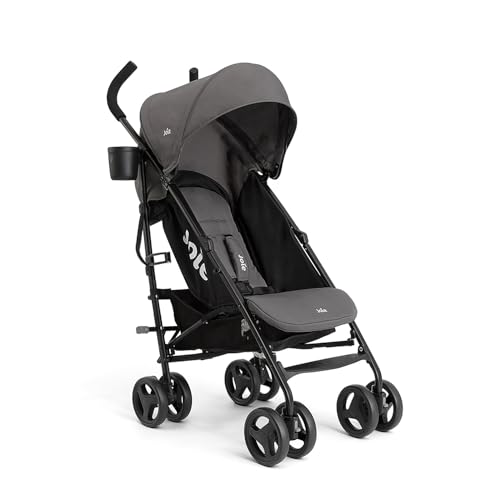
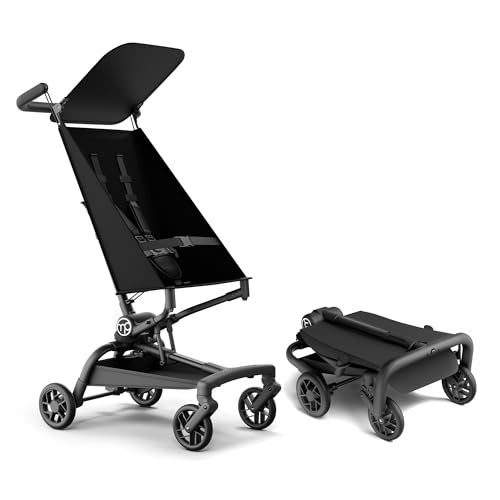
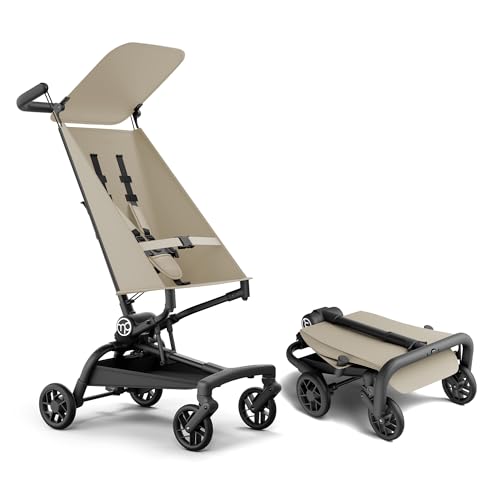
Umbrella Stroller with Rubber Wheels: The Complete Buying Guide for Parents
When you need a stroller that folds in seconds, fits in a car trunk without a fight, and handles everyday sidewalks with ease, an umbrella stroller with rubber wheels is a practical solution. Unlike basic models with hard plastic wheels, rubber-wheeled umbrella strollers absorb bumps, reduce vibration, and provide a smoother ride for your child. This guide explains why wheel material matters, what features to look for, how to compare tiers, and how to choose the right model for your family's daily routine.
🔑 Key Takeaways
- Rubber wheels absorb shock and reduce vibration compared to plastic wheels, creating a smoother ride on uneven surfaces.
- Umbrella strollers prioritize portability and quick folding, making them ideal for travel, public transport, and small car trunks.
- Wheel quality, frame construction, and harness safety are the three most important factors to evaluate before buying.
- Entry-level, mid-range, and premium tiers differ mainly in wheel suspension, fabric durability, and fold mechanism refinement.
- Always check the weight limit, safety harness type, and folded dimensions against your daily needs.
Why Rubber Wheels Make a Difference on an Umbrella Stroller
The wheels are the most overlooked component of any stroller, yet they directly affect comfort, maneuverability, and longevity. Umbrella strollers are designed to be lightweight and compact, which means manufacturers often cut corners on wheel quality to reduce weight and complexity. Plastic wheels are common in entry-level models because they are light and simple to produce, but they transmit road vibration directly to the frame and the child.
Rubber wheels change that equation. Natural or synthetic rubber compounds provide elasticity that absorbs shock from cracks, curbs, and gravel. This elasticity does two things: it reduces the jostling your child feels, and it protects the stroller frame from stress fatigue over time. For parents who walk on city sidewalks, through parks, or across uneven pavement, the difference is immediately noticeable.
🚼 Comfort and Safety Benefits of Rubber Wheels
A smoother ride helps infants and toddlers stay comfortable during longer outings. Reduced vibration also means less strain on the stroller's joints and folding mechanism, which extends the usable life of the product. Rubber wheels generally offer better traction on wet surfaces compared to hard plastic, adding a margin of safety during light rain or on smooth indoor floors.
Rubber vs. Plastic Wheels: A Direct Comparison
| Factor | Rubber Wheels | Plastic Wheels |
|---|---|---|
| Shock absorption | High — flexes and absorbs bumps | Low — transmits vibration |
| Traction | Good on most surfaces, including wet pavement | Moderate — can slip on smooth or wet surfaces |
| Durability | Resistant to cracking and wear over time | Can become brittle and crack with age |
| Weight | Slightly heavier | Lighter |
| Noise | Quieter rolling | Louder on hard surfaces |
| Typical tier | Mid-range to premium | Entry-level |
The trade-off is minor added weight, but for most parents, the comfort and durability gains outweigh the few extra ounces. If you frequently use public transportation or need to carry the stroller up stairs, check the total weight carefully — some rubber-wheeled models remain remarkably light.
Essential Features to Evaluate Before You Buy
Beyond wheel material, an umbrella stroller must meet several practical criteria to be genuinely useful. The following checklist covers the features that matter most during daily use.
1. Frame Construction and Weight
Look for a frame made from aluminum or high-grade steel. Aluminum keeps the stroller light and resists rust, while steel offers greater rigidity. A well-built umbrella stroller should feel solid when unfolded but still weigh little enough to carry with one hand. Check the folded dimensions against your car trunk and storage space.
2. Fold Mechanism
Umbrella strollers are named for their characteristic fold, which collapses the frame into a narrow, elongated shape. A good fold mechanism operates smoothly with one hand or a simple foot pedal. Test whether the folded stroller stays closed during transport — some models include a locking clip or automatic lock.
3. Safety Harness
A five-point harness is the standard for safety. It secures the child at the shoulders, hips, and between the legs, preventing them from sliding out or standing up. Avoid strollers with only a lap belt or a three-point harness, especially for younger children. Adjustable harness straps accommodate growth and different clothing layers.
4. Canopy and Sun Protection
A canopy with UPF protection shields your child from direct sunlight. For umbrella strollers, canopies are often smaller than those on full-size models, so check the coverage angle. Some canopies rotate forward or include a peek-a-boo window for checking on your child.
5. Storage and Accessories
Umbrella strollers typically have limited storage. A small basket underneath is useful for a diaper bag or shopping items, but check the weight limit. Some models include a parent cup holder or a shoulder strap for carrying the folded stroller. If you need more capacity, consider a backpack diaper bag with insulated bottle holder to keep your hands free.
6. Brakes and Wheel Lock
At least one wheel should have a foot-operated brake that locks securely. Test the brake before purchase to ensure it engages firmly and releases easily. Some premium models include brakes on both rear wheels for added stability on inclines.
Comparing Tiers: Entry-Level, Mid-Range, and Premium
Umbrella strollers with rubber wheels span several market tiers. Understanding what each tier offers helps you match a model to your usage patterns and expectations.
| Tier | Best For | Typical Features |
|---|---|---|
| Entry-Level | Occasional use, travel, backup stroller | Basic rubber wheels, simple fold, minimal canopy, limited storage, lighter frame |
| Mid-Range | Daily errands, city living, regular walks | Rubber wheels with front suspension, larger canopy, five-point harness, small storage basket, one-hand fold |
| Premium | Frequent travel, uneven terrain, long-term use | All-wheel suspension, durable rubber tires, extendable canopy, premium fabrics, refined fold mechanism, carry strap |
| Luxury | Parents seeking maximum refinement and longevity | High-grade rubber wheels, full suspension, weather-resistant fabrics, precision frame, integrated accessories |
Entry-level models are a sensible choice if the stroller will serve as a secondary option for travel or short trips. Mid-range models offer the best balance for most families, with suspension and better fabrics that improve daily comfort. Premium and luxury tiers make sense for parents who use the stroller heavily and want a product that will last through multiple children.
How to Choose the Right Umbrella Stroller for Your Lifestyle
The best umbrella stroller depends on where and how you will use it. Consider these scenarios when narrowing your options:
- City dwellers: Prioritize maneuverability, a compact fold, and rubber wheels that handle sidewalks and curbs. Front-wheel suspension is a valuable addition.
- Frequent travelers: Weight and folded size matter most. Check whether the stroller fits in an overhead bin or car trunk, and look for a carry strap or travel bag compatibility.
- Suburban families: A slightly larger canopy, more storage, and durable rubber wheels suit neighborhood walks and park visits.
- Families with multiple children: Consider whether you need a double configuration. An umbrella stroller attachment for double can extend the usability of certain models.
If you are transitioning from a full-size stroller, an umbrella model can serve as a lightweight companion. Many parents keep a full-size stroller for infants and add an umbrella stroller for toddlers. For newborn use, a stroller with a reclining seat or compatibility with a bassinet is preferable — see our guide to baby bassinets for related considerations.
Maintenance and Long-Term Care
Rubber wheels require very little maintenance, but a few habits extend their life. Wipe down the wheels after exposure to mud or salt to prevent buildup that can affect rolling resistance. Check the wheel hubs and axles periodically for debris and tighten any loose connections. Store the stroller in a dry place to prevent the rubber from drying out or cracking over time.
If the stroller is used on rough surfaces frequently, inspect the tires for wear every few months. Most rubber wheels on umbrella strollers are not replaceable, so choosing a model with durable construction from the start is the most effective strategy. For general stroller care, see our lightweight stroller guide.
Ready to Compare Umbrella Strollers with Rubber Wheels?
Browse curated options with detailed feature breakdowns and find the model that fits your daily routine.
Explore Recommendations ↓Frequently Asked Questions
Are rubber wheels better than plastic wheels on an umbrella stroller?
Yes, for most everyday use. Rubber wheels absorb shock, reduce vibration, and provide better traction. They are especially beneficial on sidewalks, gravel, and uneven pavement. Plastic wheels are lighter but transmit more vibration and can become brittle over time.
Can an umbrella stroller with rubber wheels be used from birth?
Most umbrella strollers are designed for babies who can sit up independently, typically around six months. For newborns, choose a stroller with a reclining seat or a model compatible with a bassinet or infant car seat. Always check the manufacturer's minimum age and weight recommendations.
How much weight can a typical umbrella stroller support?
Most umbrella strollers support children up to around 50 pounds (22–23 kg), though this varies by model. Check the specific weight limit in the product specifications. Exceeding the limit compromises safety and can damage the frame or wheels.
Do rubber wheels make an umbrella stroller too heavy?
Rubber wheels add a small amount of weight compared to plastic, but many rubber-wheeled umbrella strollers remain under 15 pounds. If portability is your top priority, compare the total stroller weight rather than wheel material alone.
How do I clean rubber wheels on a stroller?
Wipe the wheels with a damp cloth and mild soap. Remove debris from the wheel hubs and axles with a soft brush. Avoid harsh solvents that can degrade rubber. Dry thoroughly before folding and storing the stroller.
What is the difference between an umbrella stroller and a lightweight stroller?
The terms overlap, but umbrella strollers typically have a simpler fold mechanism and a more compact folded shape. Lightweight strollers may include more features such as reclining seats and larger canopies. Both prioritize portability over full-size functionality. Our lightweight stroller guide explains the distinctions in more detail.