Supplements to Increase Milk Supply: What Nursing Mothers Should Know
If you are researching supplements to increase milk supply, you are likely looking for safe, evidence-informed ways to support your breastfeeding journey. This guide explains how lactation supplements work, which ingredients have the strongest research behind them, and how to choose a product that fits your needs.
How Supplements to Increase Milk Supply Work
Milk production is primarily driven by frequent and effective milk removal, adequate hydration, and rest. Supplements are supportive tools rather than standalone solutions. They generally fall into two broad categories: herbal galactagogues, which are plants traditionally used to promote lactation, and nutritional supplements, which supply vitamins, minerals, or amino acids that support the body's milk-making capacity.
Understanding this distinction matters because it shapes realistic expectations. A well-formulated lactation supplement may help when your breastfeeding or pumping routine is already solid, but it cannot compensate for infrequent feedings or poor latch. Mothers who are working to build supply often benefit most from combining professional lactation support with consistent milk removal and, where appropriate, targeted supplementation.
Key Ingredients in Lactation Supplements
The lactation supplement market includes a range of ingredients with varying levels of research. Below are the most commonly discussed ingredients and what nursing mothers should understand about each.
Herbal Galactagogues
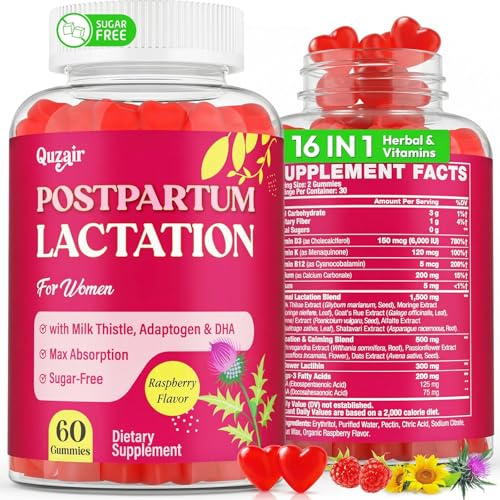
- Fenugreek: One of the most widely used herbs in lactation products. Some mothers report increased supply, though clinical evidence is mixed. It may affect blood sugar and is not recommended for mothers with peanut or chickpea allergies.
- Blessed thistle: Often paired with fenugreek in lactation blends. Traditionally used to support milk flow, with limited modern clinical research.
- Milk thistle: Contains silymarin and is sometimes included for its antioxidant properties. Evidence specific to milk supply is limited.
- Goat's rue: Traditionally used in European herbal practice. Some lactation consultants suggest it may support mammary tissue, though rigorous studies are scarce.
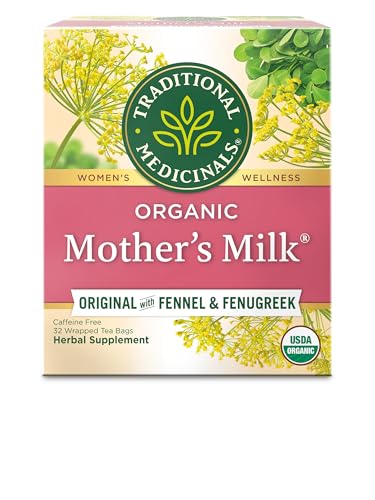
- Fennel: A common culinary herb also found in lactation teas. Generally regarded as safe in food amounts, but concentrated extracts warrant caution.
Nutritional Support Ingredients
- Fenugreek-free blends: Formulated for mothers who prefer to avoid fenugreek due to allergies or sensitivity.
- Brewer's yeast: A nutrient-dense ingredient rich in B vitamins and protein, often included in lactation blends.
- Iron and vitamin D: Essential nutrients for breastfeeding mothers, particularly when dietary intake may be insufficient.
- Moringa: A nutrient-rich plant studied for its potential lactogenic properties, with some promising but limited research.
- Probiotics: Sometimes included to support gut health, though direct links to milk supply are not yet well established.
Comparing Lactation Supplement Categories
Lactation supplements come in several formats, each with trade-offs in convenience, ingredient transparency, and formulation quality. The table below compares common categories using quality tiers rather than numeric metrics.
| Category | Tier | Best For | What to Look For |
|---|---|---|---|
| Single-ingredient herbal capsules | Essential tier | Mothers who want to isolate one ingredient | Clear labeling, third-party testing, certified organic sourcing |
| Multi-herb lactation blends | Balanced tier | Mothers seeking a combined traditional formula | Transparent ingredient quantities, no proprietary blends |
| Fenugreek-free formulations | Balanced tier | Mothers avoiding fenugreek or with sensitivities | Alternative galactagogues, clear allergen statements |
| Nutritional lactation support powders | Mid-range | Mothers wanting nutrient support alongside lactation herbs | Protein content, added vitamins, minimal fillers |
| Lactation teas | Entry-level | Mothers preferring a gentle, ritual-based approach | Whole-leaf herbs, organic certification, no artificial flavoring |
| Clinically formulated premium blends | Premium | Mothers wanting rigorous testing and advanced formulation | Third-party certification, research references, batch transparency |
When comparing options, prioritize ingredient transparency over marketing claims. A product with fewer, well-dosed ingredients is often easier to evaluate than a long proprietary blend. If you are also exploring how other feeding gear fits into your routine, you may find our guide to top breast pumps covered by insurance helpful for building a complete support system.
How to Choose a Quality Lactation Supplement
With many products on the market, a structured approach helps you separate well-made supplements from those with unclear formulation. Consider the following criteria:
- Third-party testing: Look for products tested by independent laboratories for purity, potency, and contaminants.
- Clear dosing information: Each ingredient should list its quantity per serving, avoiding vague proprietary blends where possible.
- Allergen transparency: Fenugreek can be problematic for mothers with legume allergies, so clear allergen statements are essential.
- Manufacturing standards: Facilities following recognized quality standards, such as cGMP, offer more confidence in product consistency.
- Professional endorsement: Products recommended by lactation consultants or reviewed favorably in clinical literature tend to be safer choices.
- Format fit: Capsules, powders, and teas each suit different routines. Choose the format you will realistically use consistently.
It is also worth reviewing how you plan to organize your breastfeeding and pumping supplies. A well-organized routine reduces stress and supports consistent milk removal, which is the strongest driver of supply. For mothers preparing for the postpartum period, our guide on things needed for mom after giving birth covers practical items that complement lactation support.
Habits That Support Milk Supply Alongside Supplements
Supplements are most effective when paired with habits that naturally support milk production. Consider these practices:
- Frequent milk removal: Breastfeed or pump every two to three hours during the day, and maintain nighttime feedings where feasible.
- Effective latch and positioning: Work with a lactation consultant to ensure your baby transfers milk efficiently.
- Skin-to-skin contact: Regular skin-to-skin time can support hormonal pathways involved in milk production.
- Hydration: Keep water within reach during feedings and drink to thirst throughout the day.
- Balanced nutrition: Focus on protein, whole grains, healthy fats, and iron-rich foods.
- Rest: Sleep and stress management matter more than many mothers realize. Accept help where possible.
Mothers balancing breastfeeding with pumping often benefit from reviewing their equipment setup. Our guide to the ultimate diaper backpack can help you organize essentials for on-the-go pumping sessions.
Safety Considerations and When to Talk to a Professional
Lactation supplements are not universally safe for every mother. Some herbs can interact with medications, affect blood sugar, or trigger allergic reactions. Before starting any supplement, consider the following:
- Consult your healthcare provider or a board-certified lactation consultant, especially if you have a chronic condition, take prescription medication, or have known allergies.
- Introduce one supplement at a time so you can observe any effects or reactions.
- Watch for side effects such as digestive upset, changes in blood sugar, or allergic symptoms, and stop use if they occur.
- Be cautious with very high doses or combining multiple herbal products without professional guidance.
- Remember that persistent low supply warrants medical evaluation to rule out underlying causes such as thyroid issues, retained placenta, or insufficient glandular tissue.
Frequently Asked Questions
Do supplements to increase milk supply really work?
Some mothers report improvements with herbal galactagogues and key nutrients, but results vary widely. Supplements work best when combined with frequent and effective milk removal, proper hydration, and adequate rest. Always consult a lactation consultant or healthcare provider before starting any supplement.
Which herbs are commonly used as lactation supplements?
Fenugreek, blessed thistle, milk thistle, goat's rue, and fennel are among the most commonly researched herbal galactagogues. Each has different evidence levels and potential side effects, so professional guidance is recommended before use.
Are lactation supplements safe for all breastfeeding mothers?
Not necessarily. Some herbs can interact with medications or affect blood sugar, thyroid function, or allergies. Mothers with certain medical conditions, those taking prescription drugs, or those with food allergies should consult a healthcare provider before using any lactation supplement.
Can supplements replace frequent breastfeeding or pumping?
No. Supplements are supportive tools, not replacements. Milk supply is primarily driven by frequent and effective milk removal. Supplements may help when used alongside a solid breastfeeding or pumping routine, not instead of one.
Ready to Explore Lactation Supplement Options?
Browse a curated selection of lactation support products chosen for ingredient transparency, quality manufacturing, and suitability for nursing mothers. Compare options and find what fits your routine.
Explore Lactation Supplement Options