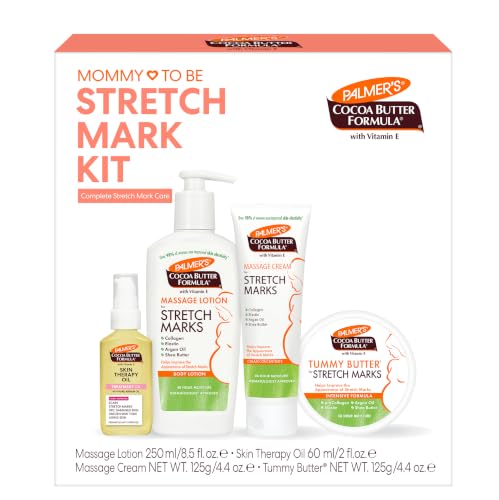
Stretch Mark Removal Cream After Pregnancy
Your complete guide to understanding postpartum stretch marks, choosing an effective removal cream, and building a realistic skin recovery routine.
What Are Stretch Marks and Why Do They Appear After Pregnancy?
Stretch marks (medically known as striae) are linear scars that form when the skin stretches faster than its supporting structures can adapt. During pregnancy, rapid weight gain, hormonal shifts, and the mechanical stretching of the abdominal wall can cause the collagen and elastin fibers in the dermis to break down. The result is the familiar wavy, slightly indented lines that appear most often on the belly, hips, thighs, and breasts.
Fresh stretch marks typically appear reddish or purplish (striae rubrae) and may feel slightly raised or itchy. Over time — often 6 to 12 months — they fade to a silvery-white or pale tone (striae albae). This distinction matters: stretch mark removal creams tend to work best on newer, red or purple marks, while mature white marks are more resistant to topical treatment. Understanding where your marks are in their lifecycle helps you set realistic expectations and choose the right product.
Can a Stretch Mark Cream Really Remove Them?
It is important to be honest: no topical cream can completely erase stretch marks. However, a well-formulated stretch mark removal cream after pregnancy can visibly improve their appearance by:
- Boosting hydration and elasticity — well-moisturized skin is more supple and less likely to look as pronounced.
- Supporting collagen production — certain actives may help the skin repair itself over time.
- Fading discoloration — ingredients like vitamin C and niacinamide can help even out skin tone around the marks.
- Smoothing texture — regular exfoliation and emollients can soften the feel of the skin surface.
The most realistic goal is fading and softening, not complete removal. Consistency matters more than any single ingredient — daily use over several months is what delivers visible results.
Key Ingredients to Look For in a Postpartum Stretch Mark Cream
The best stretch mark removal cream after pregnancy combines several complementary actives. Here are the ingredient groups that matter most, along with what each contributes:
| Ingredient Group | Role in Skin Recovery | Best For |
|---|---|---|
| Hyaluronic acid & glycerin | Intense hydration; plumps the skin surface and improves smoothness | All skin types; daily maintenance |
| Centella asiatica (cica) | Supports skin repair and soothes irritation; traditional stretch mark ingredient | Newer red/purple marks; sensitive skin |
| Vitamin E & shea butter | Emollient barrier support; improves elasticity feel | Dry or tight skin; daily comfort |
| Niacinamide | Evens skin tone; supports the skin barrier | Discoloration around marks |
| Peptides | Signaling ingredients that support collagen and elastin | Firming and long-term texture |
| Vitamin C | Antioxidant; helps fade dark spots and uneven tone | Marks with visible discoloration |
| Retinol (caution postpartum) | Promotes cell turnover and collagen; strongest evidence for fading | Mature marks — not while breastfeeding |
Because stretch mark concerns often come alongside other postpartum skin changes, it helps to think of your cream as part of a broader recovery kit. If you are assembling your full postpartum essentials, a dedicated stretch mark cream fits naturally alongside postpartum care products and breastfeeding essentials.
How to Choose the Right Cream: Quality Tiers Explained
Stretch mark creams vary widely in formulation depth. To compare products without getting lost in marketing claims, it helps to think in terms of formulation tiers rather than specific figures:
- Essential tier — simple, hydration-focused creams built around glycerin, shea butter, and vitamin E. A solid starting point for prevention and mild maintenance.
- Mid-tier — combines hydration with one or two targeted actives such as centella asiatica or niacinamide. A balanced choice for most postpartum mothers.
- High-end tier — multi-active formulas with peptides, vitamin C, and clinically studied complexes. Better suited to those wanting a comprehensive approach to fading.
- Professional-grade / clinical tier — dermatologist-developed formulas with higher concentrations of evidence-backed actives, often including retinol (use only when not breastfeeding and after medical clearance).
Entry-level creams can absolutely support skin comfort, but mid-tier and high-end formulas typically offer more visible improvement on newer marks thanks to their active ingredient depth. Match the tier to your goals, your skin's sensitivity, and your stage of postpartum recovery.
Application Tips for Better Results
How you apply a stretch mark cream matters as much as what is in it. Follow these practical habits for the best chance of visible improvement:
- Start early on new marks. Red or purple marks respond best; begin as soon as your skin is healed and your provider gives the go-ahead.
- Apply twice daily — morning and evening — on clean, slightly damp skin to lock in moisture.
- Massage in circular motions for 1–2 minutes per area to support circulation and absorption.
- Be generous but patient. Visible change usually takes 8–12 weeks of consistent use; do not expect overnight results.
- Protect your skin from the sun. UV exposure can darken marks and slow fading — use sunscreen on exposed areas.
- Stay hydrated and eat well. Skin repair is supported from the inside; nutrient-rich meals and adequate water intake help.
Safety Considerations for Postpartum and Breastfeeding Mothers
Your postpartum body deserves gentle care. Keep these safety points in mind:
- Avoid retinol while breastfeeding. Vitamin A derivatives are generally not recommended during lactation; look for peptide- or centella-based alternatives instead.
- Wait for C-section healing. Do not apply creams directly over a healing incision until your healthcare provider confirms it is safe.
- Patch-test new products. Apply a small amount to your inner forearm and wait 24 hours before wider use, especially if you have sensitive skin or a history of eczema.
- Avoid harsh exfoliants in the early postpartum weeks; gentle hydration is the priority.
- Consult your dermatologist if marks are very itchy, painful, or accompanied by rash — this can occasionally signal a skin condition that needs medical attention.
Stretch marks are a normal part of many postpartum journeys, and caring for them is about comfort and confidence, not perfection. A consistent routine with a well-chosen cream — paired with realistic expectations — is the most effective approach.
Frequently Asked Questions
How long does it take to see results from a stretch mark removal cream?
Most users notice smoother, more hydrated skin within a few weeks, but visible fading of newer marks typically takes 8–12 weeks of daily use. Mature white marks may take longer and may only soften rather than fade significantly.
Can stretch mark creams completely remove stretch marks?
No topical cream can fully erase stretch marks. Well-formulated creams can reduce their appearance, improve texture, and fade discoloration — especially on newer red or purple marks. Complete removal usually requires in-office dermatological treatments.
Is it safe to use stretch mark cream while breastfeeding?
Many hydrating and centella-based creams are considered safe, but avoid retinol-containing products during breastfeeding. Always check the ingredient list and consult your healthcare provider if you are unsure.
When should I start using a stretch mark cream after delivery?
Once your skin has healed and your healthcare provider gives the go-ahead — often a few weeks after delivery, or later if you had a C-section. Starting early on newer marks gives the best chance of visible improvement.
Do stretch mark creams work on old white marks?
They are less effective on mature white marks because the skin's repair phase has passed. However, consistent hydration and peptide-rich formulas can still improve texture and softness. For significant fading of older marks, consult a dermatologist about professional options.
Should I use a separate cream for my belly and breasts?
Not necessarily — a single well-formulated body cream can work across areas. Just avoid applying retinol or strong actives near the nipple area if you are breastfeeding, and keep the routine gentle and consistent.