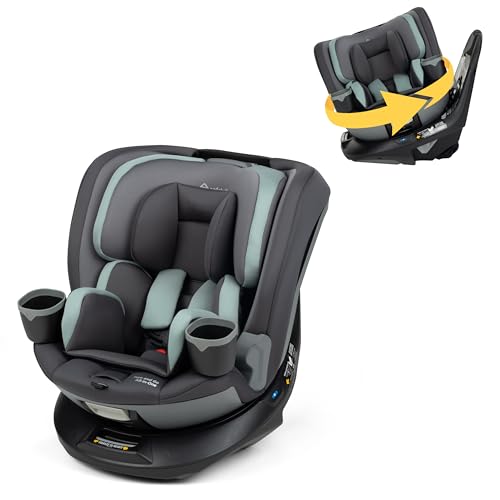
Safest Convertible Car Seat: Complete Buying Guide
Everything you need to know about choosing, installing, and using a convertible car seat that keeps your child protected from newborn through the toddler years.
Explore Safety FeaturesWhy this guide matters: A convertible car seat is one of the most important safety purchases you will make. This guide walks you through the safety features that matter, how to install a seat correctly, and how to choose the right seat for your child and vehicle so you can make a confident, informed decision.
What Is a Convertible Car Seat?
A convertible car seat is designed to serve multiple stages of your child's growth. It starts as a rear-facing seat for infants and younger toddlers, then converts to a forward-facing seat with a harness as your child grows. Many models also convert into a belt-positioning booster later, making them a long-term investment for families.
Unlike infant car seats, which are typically outgrown within the first year, a convertible seat can remain in use for several years. This extended lifespan makes safety engineering and build quality especially important. Parents researching this category often compare models closely, and resources like the safest rear-facing convertible car seat guide can help narrow down options built for extended rear-facing use.
If you are also considering seats that rotate for easier loading, the safest rotating convertible car seat overview explains how rotating mechanisms affect installation and everyday use.
Safety Features That Matter
Not every feature contributes equally to safety. The following elements are the ones that make a real difference in protecting your child in a crash.
Five-Point Harness
A five-point harness secures the shoulders, hips, and crotch, distributing crash forces across the strongest parts of the body. Look for a harness with easy tension adjustment and a no-rethread design for simpler fitting as your child grows.
Energy-Absorbing Foam
High-grade energy-absorbing foam in the headrest and torso area helps manage crash forces. Seats with reinforced shells and deeper side wings offer better head and torso protection.
Steel-Reinforced Frame
A steel-reinforced frame adds structural rigidity and stability. This is especially valuable for extended rear-facing use, where the seat absorbs forces from a different direction.
Anti-Rebound Bar or Load Leg
These features reduce forward rotation and rebound motion in a crash. A load leg adds stability by anchoring the seat to the vehicle floor, while an anti-rebound bar limits movement at the top of the seat.
Side-Impact Protection
Deep side wings and headrests with side-impact protection shield the head and torso in a side collision. This feature is particularly important for families who frequently carry passengers in the rear seats.
Easy-to-Read Installation Indicators
Built-in level indicators, recline angle guides, and clear belt-routing paths reduce the risk of installation errors. A seat that is easy to install correctly is inherently safer in practice.
Pro tip: A seat that is easy to install correctly is safer than a feature-rich seat that is installed incorrectly. Prioritize clear instructions and intuitive installation hardware.
Quality Tiers and What They Mean
Convertible car seats are available across several quality tiers. Understanding these tiers helps you align your expectations with the features each tier typically delivers.
| Tier | Typical Features | Best For |
|---|---|---|
| Entry-level | Essential five-point harness, basic foam padding, standard side wings, manual recline | Families seeking a dependable, straightforward seat for a single vehicle |
| Mid-range | Steel-reinforced frame, no-rethread harness, deeper side wings, easier installation hardware | Parents who want a balance of safety features and everyday convenience |
| Premium | Load leg or anti-rebound bar, premium energy-absorbing foam, multi-position recline, extended rear-facing limits | Families prioritizing extended rear-facing use and advanced crash protection |
| Luxury | Flagship-tier materials, rotating mechanism, app-connected installation guidance, plush padding | Parents who want top-tier convenience and comfort alongside advanced safety engineering |
Entry-level models can be perfectly safe when installed correctly, while premium and luxury tiers tend to offer features that make correct installation easier and extend the usable life of the seat. If a tighter footprint is a priority, the slim convertible car seat guide covers narrow models designed for compact vehicles.
Rear-Facing vs. Forward-Facing: The Safety Priority
Child passenger safety experts consistently recommend keeping children rear-facing as long as possible. Rear-facing seats distribute crash forces across the entire back of the seat, protecting the developing neck and spine. For this reason, the safest convertible car seat is one that supports extended rear-facing use up to the highest height and weight limits your child can reach.
Why Extended Rear-Facing Matters
- Spine protection: Rear-facing positions spread crash forces over a larger area, reducing strain on the neck and spine.
- Head support: The seat shell cradles the head and limits forward motion during a frontal crash.
- Developmental fit: Younger children have proportionally larger heads and weaker neck muscles, making rear-facing especially protective.
When your child reaches the rear-facing height or weight limit of the seat, transition to forward-facing with the harness. Keep the harness in use until your child reaches the forward-facing limit before moving to a booster.
Families comparing rear-facing options often find the safest affordable convertible car seat guide helpful for identifying models that support extended rear-facing without moving into a higher tier.
Installation Tips for Maximum Safety
Even the best-engineered seat cannot protect your child if it is installed incorrectly. Follow these steps to achieve a secure installation.
- Read the manual and the vehicle owner's manual. Both documents specify approved installation methods and seating positions.
- Use the lower anchors or the seat belt, not both. Follow the seat manufacturer's guidance for which method to use.
- Check the recline angle. Rear-facing seats need the correct recline angle for your child's age. Use the built-in level indicator.
- Test for movement. The seat should not move more than one inch side-to-side or front-to-back at the belt path.
- Use the top tether when forward-facing. The tether reduces forward head movement in a crash.
- Consider a professional inspection. A certified child passenger safety technician can verify your installation.
Common mistake: A loose installation is the most frequent error. If the seat shifts more than an inch at the belt path, re-tighten or try a different seating position.
How to Fit the Harness Correctly
The harness is your child's primary restraint. A properly fitted harness keeps your child positioned correctly in the seat.
- Harness straps should be snug. You should not be able to pinch slack at the shoulder.
- Rear-facing: Route the harness at or below shoulder level.
- Forward-facing: Route the harness at or above shoulder level.
- Chest clip: Position at armpit level, not lower on the torso.
- No bulky clothing: Thick jackets and bunting can create slack in the harness. Use thin layers and add blankets over the harness.
Matching a Seat to Your Vehicle
Vehicle compatibility is a frequently overlooked factor in car seat safety. A seat that fits your vehicle well is easier to install correctly and more stable in use.
- Check the vehicle owner's manual for approved seating positions and lower anchor weight limits.
- Consider the seat's footprint. Compact vehicles may need a slimmer model; if you drive a small car, the slim convertible car seat for small cars guide covers seats designed for tighter spaces.
- Test the install before committing. Many retailers allow returns if the seat does not fit your vehicle.
- Account for passenger space. Extended rear-facing seats can take up more front-to-back space; check front-seat legroom before installing.
If you are comparing seats that rotate, the rotating convertible car seat guide explains how rotating bases interact with vehicle seating and installation.
Frequently Asked Questions
What makes a convertible car seat safe?
A safe convertible car seat combines a reinforced shell, energy-absorbing foam, a five-point harness, and a stable rear-facing installation. It must meet federal safety standards and fit your child and vehicle correctly.
How long should my child stay rear-facing?
Pediatric safety experts recommend keeping your child rear-facing as long as possible, until they reach the maximum rear-facing height or weight limit of the seat. Many convertible seats support rear-facing up to toddler age and beyond.
Are convertible car seats safer than infant car seats?
Both can be equally safe when installed and used correctly. Convertible seats offer the advantage of extended rear-facing use and a longer lifespan, while infant seats offer portability for newborns.
Do I need a car seat with a load leg or anti-rebound bar?
A load leg or anti-rebound bar can reduce movement in a crash and add stability, especially in rear-facing mode. They are valuable features but not a substitute for correct installation and a tight fit.
Final takeaway: The safest convertible car seat is the one that fits your child, fits your vehicle, and is installed correctly every time. Prioritize extended rear-facing capability, a snug five-point harness, and clear installation indicators, then verify your installation with a certified technician if possible.