Playpen Buying Guide
Everything you need to know about choosing a safe, comfortable, and practical playpen for your baby — from types and materials to safety features and setup tips.
Why a playpen matters: A playpen gives your baby a secure, enclosed space to explore, play, and rest while you stay nearby. It is one of the most versatile pieces of baby gear — used at home, during travel, and as a transition space between the crib and the floor.
This guide breaks down the key factors that separate a well-designed playpen from a mediocre one, so you can make a confident decision based on your family's routine, living space, and safety priorities.
Types of Playpens
Playpens come in several designs, each suited to different stages and living situations. Understanding the trade-offs helps you pick the one that fits your daily life.
Mesh Playpens
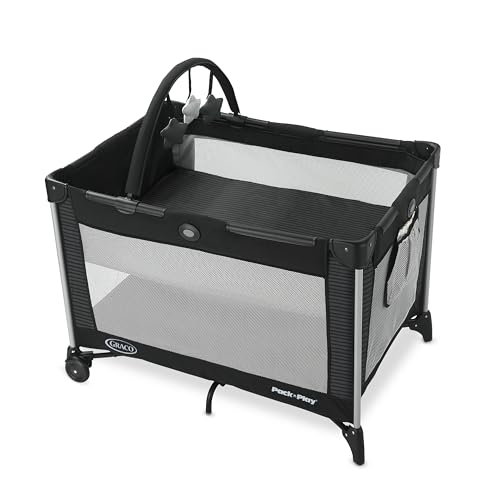
The most common style — lightweight, foldable, and breathable. Mesh panels let you see your baby from any angle and provide airflow. Many include a bassinet insert and changing station. Best for travel and flexible use around the home.
Wooden Playpens
Sturdy, furniture-like enclosures with vertical slats. They look at home in a nursery and offer a defined, permanent play zone. Heavier than mesh models, so they suit families who want a fixed setup rather than a portable option.
Pop-Up / Travel Playpens
Designed for portability — they fold flat, often with a carry bag. Ideal for grandparents' houses, vacations, and small spaces. Generally lighter-duty than full-size play yards but very convenient for families on the move.
Play Yards with Bassinet
Multi-function systems that convert from a newborn bassinet to a full playpen. Often include a changing table attachment and storage pockets. The most feature-rich option for families who want one product to cover sleep, play, and diaper changes.
Safety Features to Prioritize
Safety is the single most important factor when choosing a playpen. The best playpens are designed to eliminate common hazards — gaps, sharp edges, and unstable frames. Here's what to look for:
- Certified safety standards: Verify the playpen meets current juvenile product safety standards for your region. Look for certification marks on the packaging and product itself.
- No gaps or pinch points: The mesh should be tightly attached to the frame, and there should be no openings that could trap a baby's head or limbs.
- Locking mechanism: A secure, two-step locking system prevents accidental collapse. Test the locks before each use.
- Stable base: A wide, sturdy base with non-slip feet keeps the playpen from tipping. Avoid models that wobble on a level floor.
- Height and rail strength: Rails should be tall enough that a toddler cannot climb out easily, and firm enough that they don't collapse under pressure.
- Firm, flat mattress: The sleep surface should be firm and flat — never soft or padded — to support safe sleep practices.
- Age and weight limits: Respect the manufacturer's stated limits. Most playpens support up to around 30–35 pounds or until the child can climb out.
Materials and Construction
The materials used in a playpen affect durability, breathability, and ease of cleaning. Here's how the main options compare:
| Material | Best For | Key Considerations |
|---|---|---|
| Mesh fabric | Travel, airflow, visibility | Lightweight and breathable; check that mesh is reinforced at attachment points. |
| Wood (pine, birch, beech) | Nursery, permanent setup | Durable and furniture-like; ensure slat spacing is safe and finish is non-toxic. |
| Metal frame with fabric panels | Rugged use, larger play yards | Heavy-duty and stable; look for rust-proof finish and reinforced joints. |
| Plastic / polypropylene | Easy cleaning, indoor-outdoor use | Wipe-clean surface; check for BPA-free and non-toxic certifications. |
Setup and Everyday Use Tips
Even the best playpen needs proper setup to be safe and useful. Follow these practical tips to get the most from your purchase:
- Assemble on a flat surface: Set up the playpen on level flooring and check that all locks click firmly into place before placing your baby inside.
- Keep the space minimal: A playpen works best with a few safe toys — avoid loose blankets, pillows, and soft items that pose a suffocation risk for infants.
- Position thoughtfully: Place the playpen where you can see and hear your baby easily, away from windows, stairs, and heat sources.
- Clean regularly: Wipe mesh and plastic surfaces with a damp cloth; check the frame for wear and tear over time.
- Check recalls: Register your product and periodically check manufacturer recall notices to keep your playpen safe.
Choosing the Right Playpen by Stage
Your needs change as your baby grows. Use this stage-based approach to narrow your options:
Bassinet-Equipped Playpen
Look for a playpen with a certified bassinet insert and a firm, flat mattress. This gives your newborn a safe sleep surface during the day while keeping them close.
Mesh Playpen with Play Mat
As your baby becomes mobile, a mesh playpen with good airflow and a comfortable play mat supports tummy time, rolling, and early sitting.
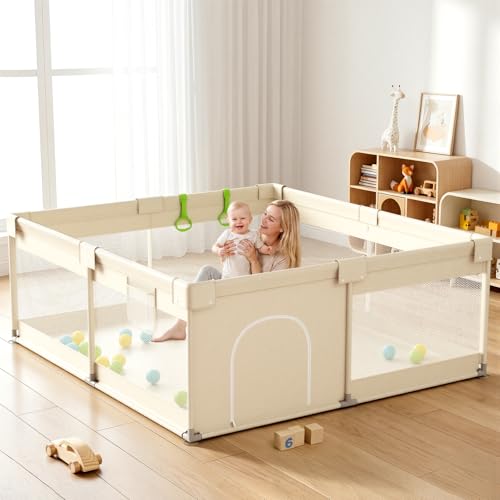
Large Play Yard or Wooden Playpen
Active toddlers need more room. A larger play yard or a sturdy wooden playpen with a safe gate gives them space to move while keeping them contained.
Playpen Categories at a Glance
This comparison organizes playpens by market position so you can match your needs to the right category:
| Tier | Typical Features | Best For |
|---|---|---|
| Entry-level | Basic mesh playpen, single-height rail, foldable frame | Travel, occasional use, small spaces |
| Mid-range | Bassinet insert, changing station, storage pockets, two-tier design | Everyday home use, nursery transition |
| Premium | Wooden construction, adjustable height, larger footprint, reinforced frame | Long-term nursery setup, families wanting a furniture piece |
| Top-tier | Multi-function play yard with bassinet, changer, and travel bag | Families wanting one system for sleep, play, and travel |
Additional Considerations Before You Buy
Beyond safety and materials, a few practical factors can make a big difference in how much you love your playpen:
- Footprint: Measure your room before ordering. A larger play yard gives more play space but may not fit in smaller rooms or apartments.
- Portability: If you plan to move the playpen between rooms or take it on trips, prioritize a lightweight model with a carry bag.
- Assembly: Some models require tools and take time to assemble. Check whether the playpen is tool-free or requires setup.
- Access: Consider whether you need a side-opening door or a zip panel for easy access, especially if you plan to use the playpen for older babies.
- Compatibility: If you already have a play mat or playpen mattress, check that it fits the model you choose.
Frequently Asked Questions About Playpens
What should I look for in a playpen for a newborn?
For newborns, look for a playpen with a bassinet insert, a firm flat mattress, and mesh sides for airflow and visibility. Ensure it meets current safety standards with no gaps that could trap a baby, and always follow the manufacturer's weight and age guidelines.
Are wooden playpens safer than mesh playpens?
Both can be safe if they meet current safety standards. Wooden playpens offer a sturdy, furniture-like feel with breathable slat spacing, while mesh playpens are typically lighter and more portable. Choose based on your space, mobility needs, and how you plan to use it.
How long can a baby use a playpen?
Most children use a playpen from the newborn stage through toddlerhood, roughly up to 30–35 pounds or when they can climb out. Many parents transition to a larger play yard or gated play area as the child grows.
Do playpens need a mattress or pad?
Yes, a firm, flat mattress or pad designed for the specific playpen model is essential for comfort and safe sleep. Never add soft bedding, pillows, or extra padding to a playpen.
Can a playpen be used for overnight sleep?
Only playpens with a certified bassinet attachment and a firm flat surface are suitable for overnight sleep. Always follow the manufacturer's guidelines and current safe sleep recommendations from your pediatrician.
What is the difference between a playpen and a play yard?
The terms are often used interchangeably. Generally, a playpen refers to a smaller, often portable enclosure, while a play yard is a larger, more permanent play space. Both serve the same purpose — providing a safe, contained area for your baby.