Over the Counter Antifungal Cream for Diaper Rash
Your complete guide to choosing and using OTC antifungal treatments for stubborn yeast diaper rashes.
Understanding Yeast Diaper Rash
A yeast diaper rash, also known as a fungal diaper rash or candidal dermatitis, is a common skin condition affecting babies and toddlers. Unlike a standard diaper rash caused by friction or moisture, a yeast rash is triggered by an overgrowth of Candida albicans, a fungus that thrives in warm, moist environments. This type of rash often appears after a course of antibiotics, or when a regular diaper rash hasn't healed properly.
Recognizing a yeast diaper rash is the first step. Look for a bright red rash that is slightly raised, with small red bumps or pustules that may spread to the folds of the skin. The rash can be painful, causing discomfort and fussiness in your little one. If you suspect a yeast infection, an over the counter antifungal cream is often the first line of defense.
Choosing the right cream is crucial. Many parents find themselves overwhelmed by the options available. Our guide breaks down the most effective ingredients, how to apply them, and what to look for when shopping for a diaper rash antifungal cream. For additional support with diaper rash issues, you might find our severe diaper rash from diarrhea home remedies guide helpful.
Key Ingredients in OTC Antifungal Creams
Several active ingredients are commonly found in OTC antifungal creams for diaper rash. The most effective and widely recommended include:
- Miconazole Nitrate (2%): A broad-spectrum antifungal that treats various fungal infections, including yeast. It's gentle and often the preferred choice for babies. Products like Lotrimin AF for jock itch (though for adults, use baby-specific formulations) are well-known, but always check for baby-friendly options.
- Clotrimazole (1%): Another effective antifungal that works by disrupting the cell membrane of the fungus. Often found in creams for athlete's foot and jock itch, but also effective for diaper rash.
- Ketoconazole: Primarily used for dandruff and seborrheic dermatitis, but also effective against Candida. It's less common in OTC diaper rash creams but can be found in some formulations.
Always check the label to ensure the product is safe for children. Some creams are marketed for adults only. When in doubt, consult your pediatrician or pharmacist.
How to Apply Antifungal Cream for Diaper Rash
Proper application is key to effective treatment. Follow these steps to ensure the best results:
- Clean the area gently: Use warm water and a soft cloth or cotton ball. Avoid using wipes that contain alcohol or fragrance, as they can irritate the skin further. Pat the area dry with a clean towel. Do not rub.
- Apply a thin layer: Squeeze a small amount of the cream (about the size of a pea) onto your clean finger. Gently spread it over the affected area, making sure to cover the rash and the surrounding skin. Avoid covering the entire diaper area unless advised by a doctor.
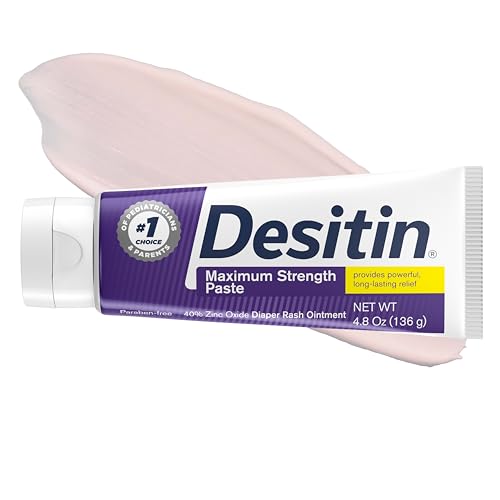
- Apply a barrier cream: After the antifungal cream has absorbed (about 5-10 minutes), you can apply a zinc oxide diaper rash cream or petroleum jelly as a barrier to protect the skin from moisture.
- Change diapers frequently: Keeping the area dry is essential. Change your baby's diaper as soon as it's wet or soiled.
- Continue treatment: It's important to continue applying the antifungal cream for the full recommended duration, even if the rash appears to be healing. This is typically 7-10 days for most OTC creams. Stopping early can lead to the fungus returning.
If you are also using cloth diapers, ensure they are washed in hot water and thoroughly dried to kill any yeast spores. You may also consider using all-in-one cloth diapers for a more convenient and absorbent option during treatment.
Comparing OTC Antifungal Creams
Here is a comparison of popular active ingredients to help you make an informed decision.
| Active Ingredient | Common Brand Names | Application Frequency | Typical Price Range |
|---|---|---|---|
| Miconazole Nitrate (2%) | Monistat, Micatin | Twice daily | $10 – $20 |
| Clotrimazole (1%) | Lotrimin, Canesten | 2-3 times daily | $8 – $15 |
| Ketoconazole (1%) | Nizoral | Once daily | $12 – $18 |
All three ingredients are effective. Miconazole is often preferred for babies due to its broad-spectrum activity and gentle nature. Clotrimazole is also a solid choice. The best option depends on your baby's specific needs and tolerance.
When to See a Pediatrician
While OTC antifungal creams are effective for many cases, there are instances where you should consult a healthcare professional. Seek medical advice if:
- The rash does not improve after 7 days of treatment.
- The rash worsens or spreads to other areas.
- Your baby develops a fever or appears unwell.
- You notice open sores, blisters, or severe redness.
- The rash keeps coming back (recurrent diaper rash).
A pediatrician can prescribe a stronger antifungal cream or an oral antifungal medication if needed. They can also rule out other skin conditions that might mimic a yeast infection.
For related baby care topics, you might also find our guides on baby registry essentials helpful for preparing your nursery, or our article on hospital bag essentials for new moms.
Additional Tips for Managing Diaper Rash
In addition to using an antifungal cream, there are several other measures you can take to prevent and manage diaper rash:
- Increase airflow: Give your baby some diaper-free time each day to allow the skin to breathe.
- Use mild soap: Wash the diaper area with warm water and a mild, fragrance-free soap. Rinse thoroughly.
- Wipe gently: Use a soft cloth or cotton ball with water instead of wipes when possible.
- Consider probiotics: Some studies suggest that probiotics can help reduce the incidence of yeast infections. Consult your pediatrician about adding probiotics to your baby's diet.
- Be mindful of antibiotics: If your baby is on antibiotics, be extra vigilant about diaper rash, as antibiotics can promote yeast overgrowth. You might consider using a diaper bag backpack with changing station to keep wipes and cream handy while out and about.
Explore More Baby Care Guides
We have a wealth of resources to help you navigate parenthood. Check out these related articles:
- Free newborn stuff for low-income families – resources to help you save.
- Natural ways to increase breast milk supply – tips for nursing mothers.
- Pack and play with bassinet and changing table – versatile nursery furniture.
- Mommy and newborn matching hospital outfits – create beautiful memories.
- Stroller system with car seat and carrier – travel system essentials.
- White nursery dresser with changing table – stylish and functional furniture.
- Children's table and chair set with storage – for growing toddlers.
- Double side by side stroller with infant car seat – great for twins.
- Travel stroller that fits in overhead bin – perfect for on-the-go families.
- Stroller that fits in overhead compartment – additional travel options.